


A New Home for Belgium’s Art Nouveau & Art Deco Treasures
The Art & History Museum in Brussels unveils two new galleries dedicated to Art Nouveau and Art Deco, reaffirming Belgium’s rich cultural heritage in these two important artistic movements.
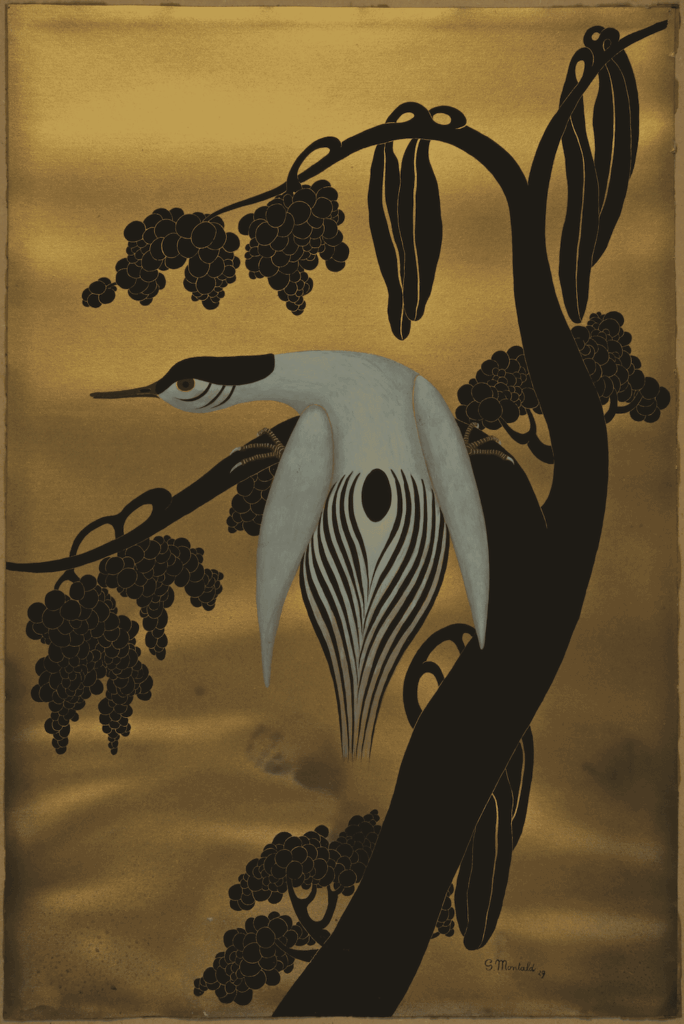
Brussels has long been known as an important centre of Art Nouveau & Art Deco history, and now the Art & History Museum has given this heritage a refreshed exhibition space for visitors to experience the museum’s collection. On June 13, 2025, the museum unveiled two ambitious new galleries: one devoted to Belgian Art Nouveau and Art Deco, and another exploring 19th-century decorative arts. Together, they span 1,200 square meters and mark a milestone in the interpretation of Belgium’s design history.
The star of the reopening is likely the reconstructed winter garden of the Cousin House, designed by Victor Horta. This pavilion-like structure, six meters high and bathed in light from stained-glass windows, is the only Horta interior ever successfully rebuilt after demolition. Its gilded steel frame, wooden panelling, and marble fireplace immerse visitors in the spirit of 1900 Brussels, a moment when craftsmanship and innovation were inseparable.
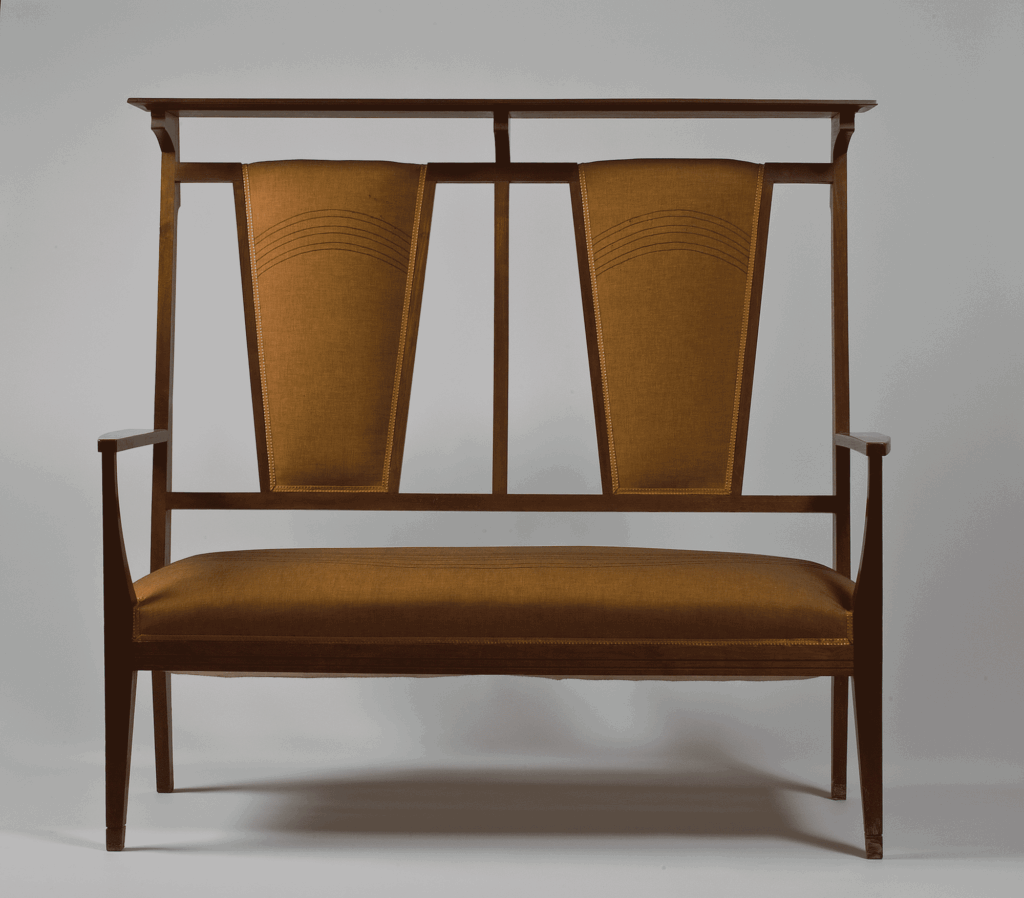
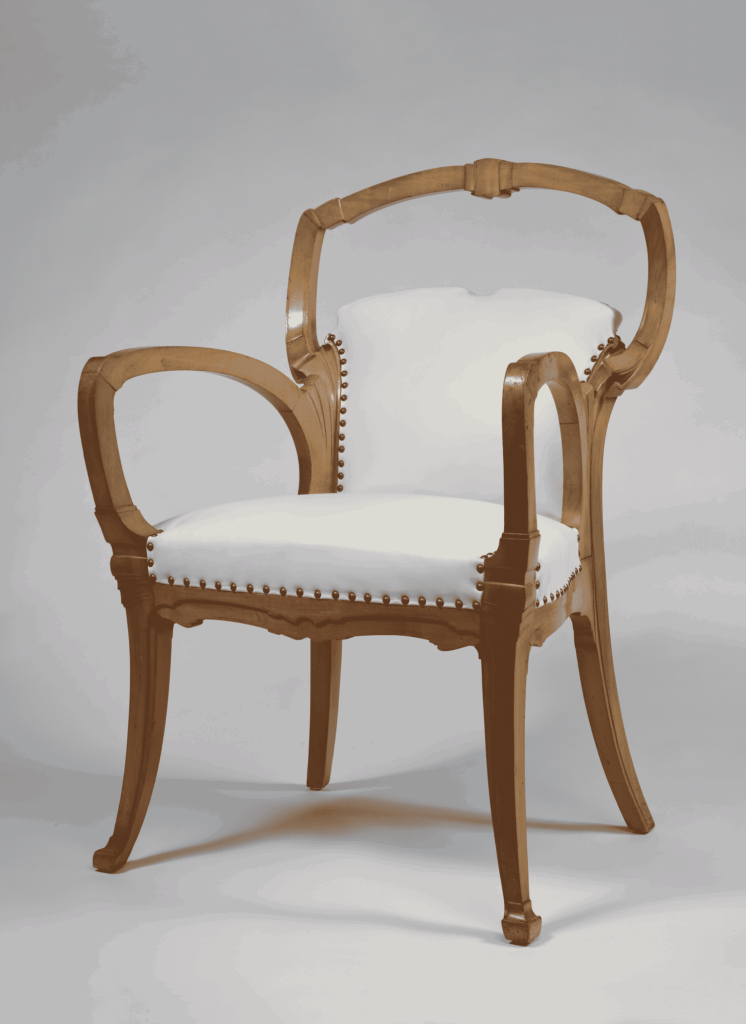
The Art Nouveau section introduces the movement’s pioneering generation. Visitors encounter works by Paul Hankar, whose geometric sgraffito designs brought bold new rhythm to Brussels façades, and Henry van de Velde, whose dining room ensembles distilled his conviction that form must follow function. From Gustave Serrurier-Bovy’s elegant Campagne seating to the delicate silver-plated bronze candelabras designed by van de Velde in 1898, the collection reveals a stylistic diversity that was anything but uniform.
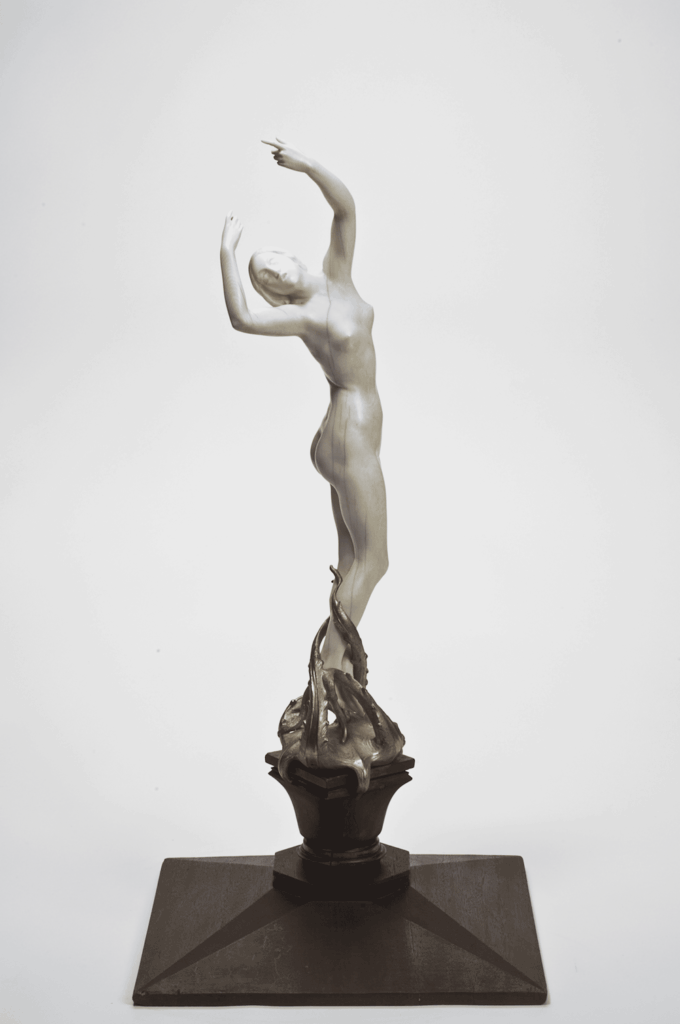
Among the highlights is the Monumental Statue L’Art décoratif by Pieter Braecke. Originally created for the Belgian pavilion at the 1925 Paris International Exhibition of Modern Decorative and Industrial Arts, it now greets visitors once again, radiating the optimism that defined the Art Deco era. The section concludes with Marcel Wolfers’ dynamic lacquered bronze Hunting Diana—a piece that bridges ancient myth with modern aesthetics.
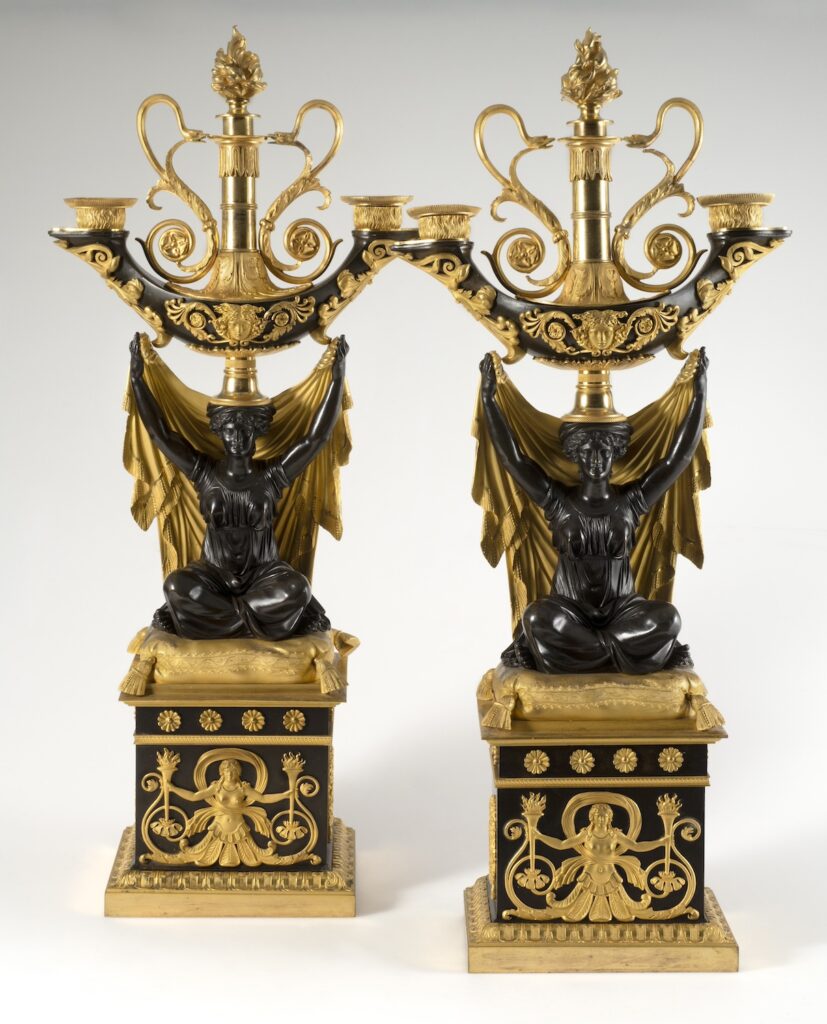
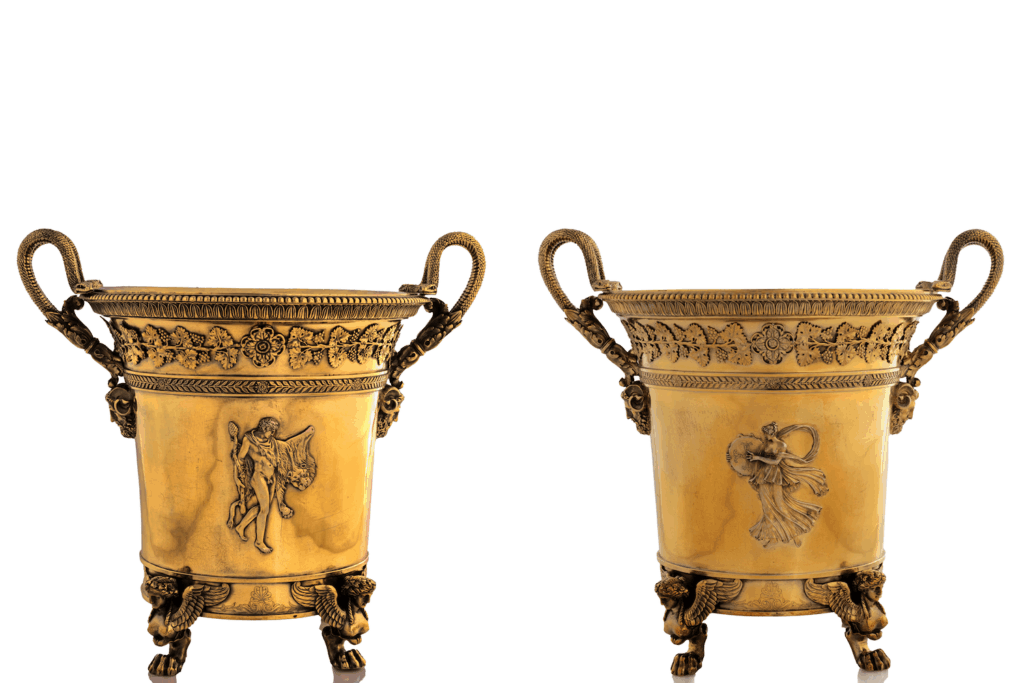
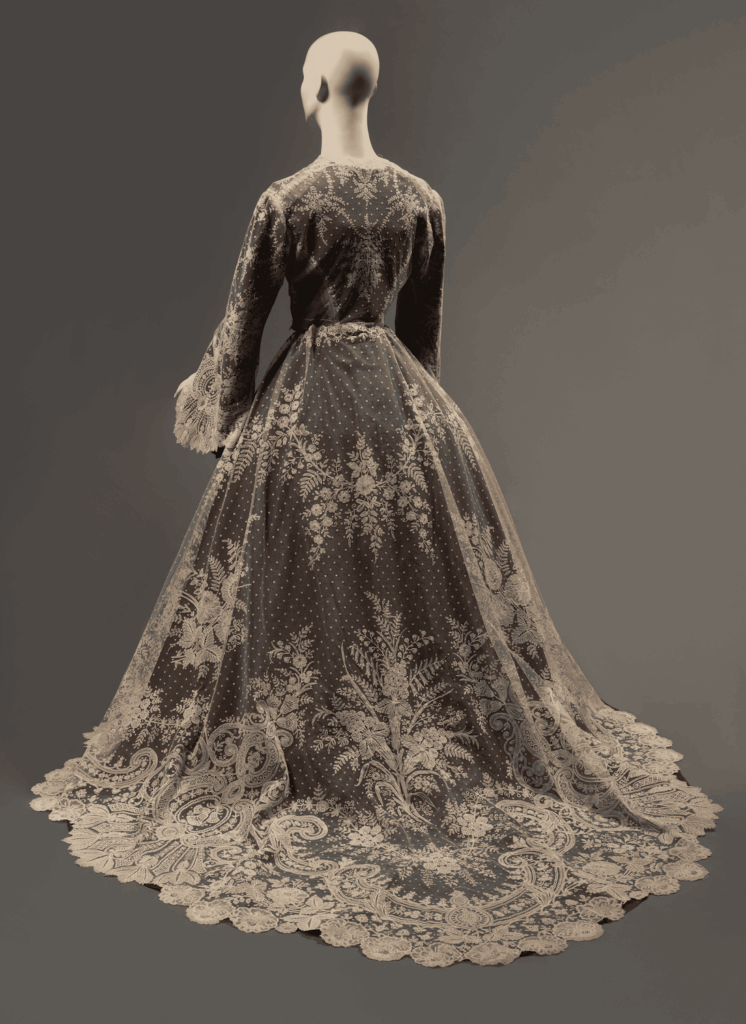
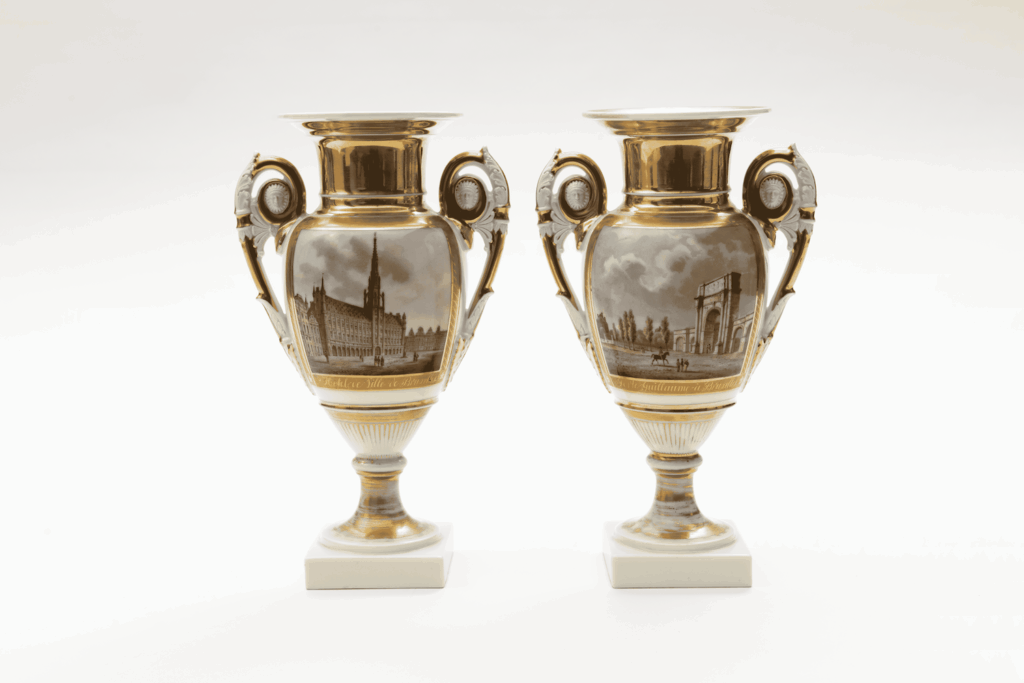
The 19th-century decorative arts gallery provides a sweeping context, showing how industrialization, bourgeois taste, and historicism paved the way for Art Nouveau’s flourish. Silver masterpieces by Jean-Baptiste Claude Odiot, sumptuous Brussels porcelain by Frédéric Faber, and a gilt Empire-style table attributed to George Jacob illustrate the refinement of the neoclassical and Restoration eras. Later rooms explore Gothic and Renaissance revivals, eclectic interiors, and the cultural life of the Belgian bourgeoisie—from dining rituals to childhood toys like a charming miniature theatre from the 1880s.
Designed with understated elegance by Gentbrugge’s Pièce Montée studio, the scenography avoids spectacle in favour of clarity and context. Archival photographs and labels situate each work within the networks of patrons, artists, and exhibitions that shaped them, while thematic sections—ranging from hygiene to leisure to photography—show how decorative arts were woven into daily life.
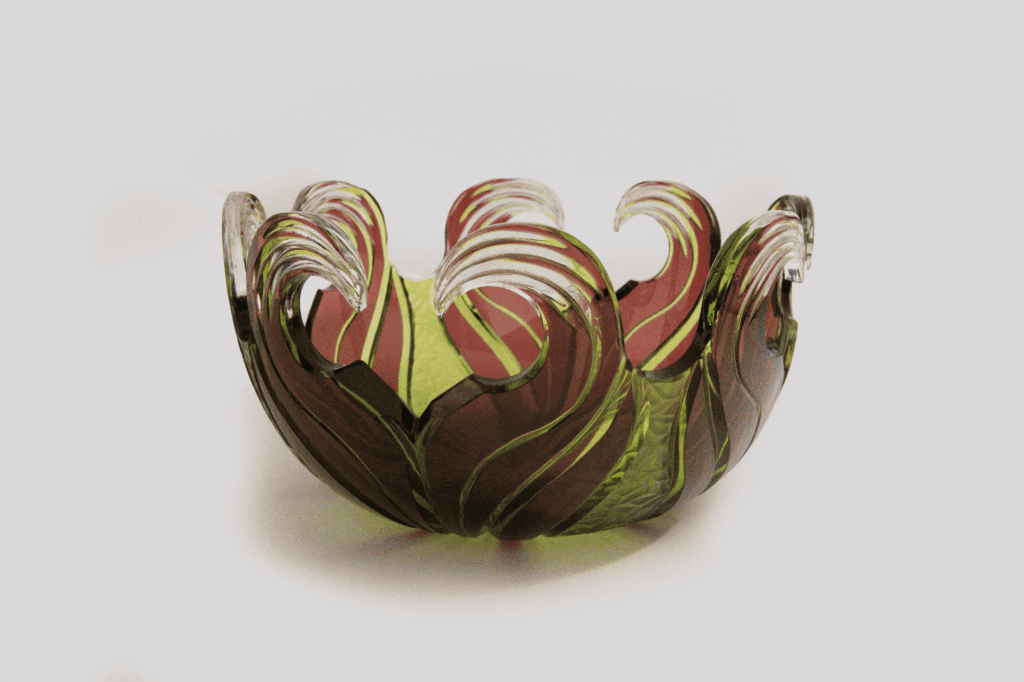
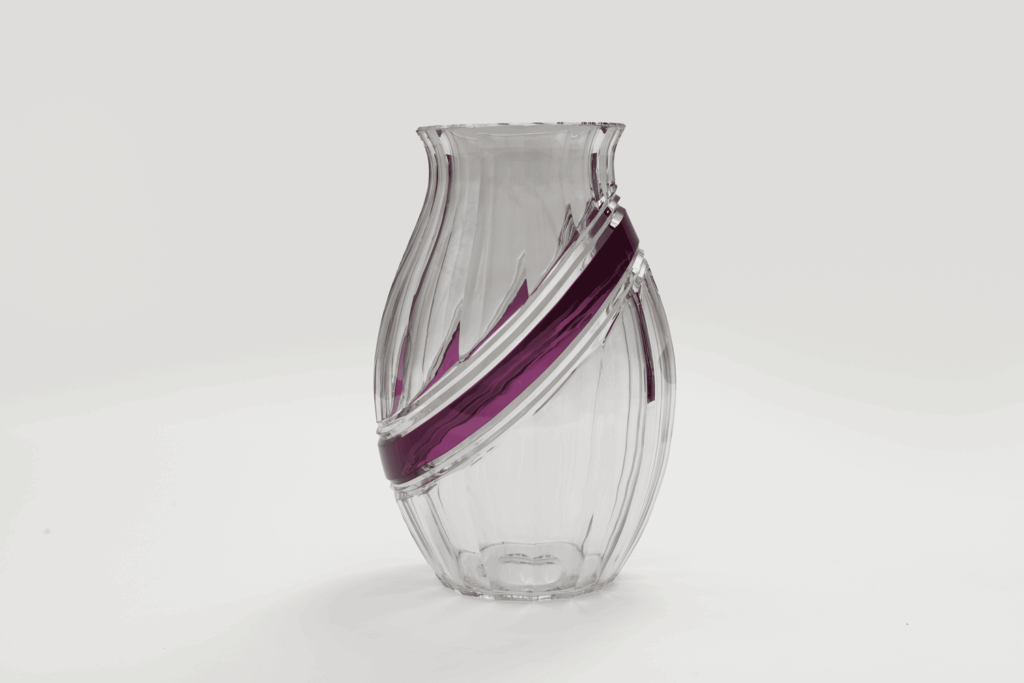
The new galleries reinforce Belgium’s influential cultural heritage in Art Nouveau and Art Deco, allowing the public to experience the nation’s most significant historical treasures under one roof. For design lovers and curious visitors alike, the new galleries are not just an exhibition but a rediscovery of Belgium’s role in shaping modern aesthetics.

Articles you also might like
S.M.A.K. in Ghent marks the 40th anniversary of Jan Hoet’s groundbreaking exhibition Chambres d’Amis with three special exhibitions by Haim Steinbach, Heike Pallanca and Susanne Kriemann.
Through 4 July 2026, La Verrière, the Brussels exhibition space of the Fondation d’entreprise Hermès, presents Extrazimmer, a solo exhibition by Caroline Achaintre, curated by Joël Riff.
Art Brussels opens its doors today for its 42nd edition. The annual contemporary art fair takes place at Brussels Expo and includes 138 international galleries plus a host of special events, exhibitions and prizes. Read for more details.

On April 21st, Simon de Pury hosts a round-table discussion at the Villa Boghossian with Tiqui Atencio, Cathy Vedovi and Diana Campbell Betancourt. Simon will be introduced by Lise Coirier.