

Pierre Daras – The Belgian school
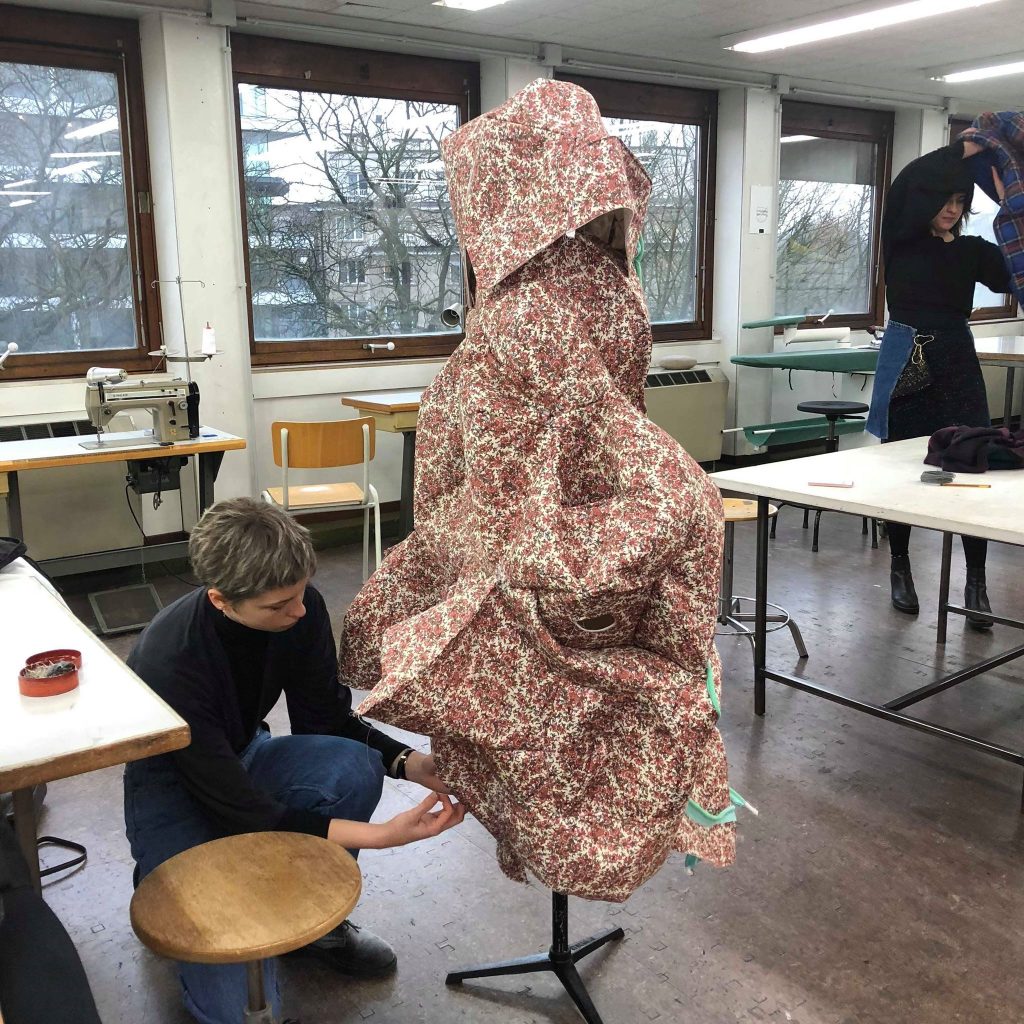
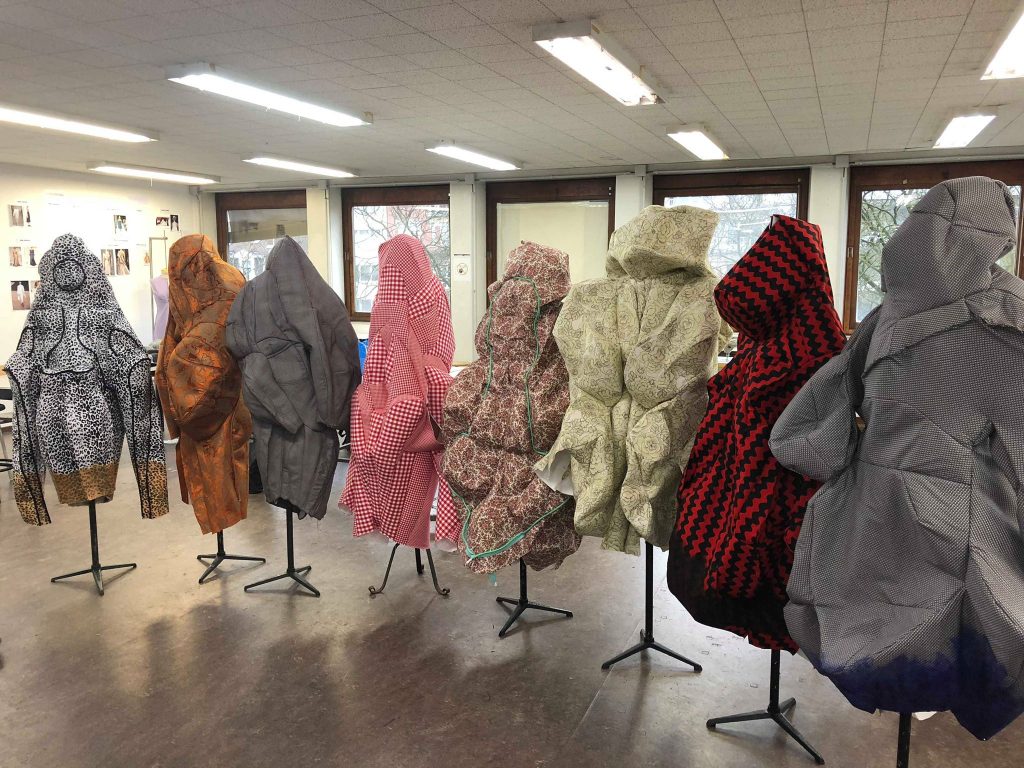
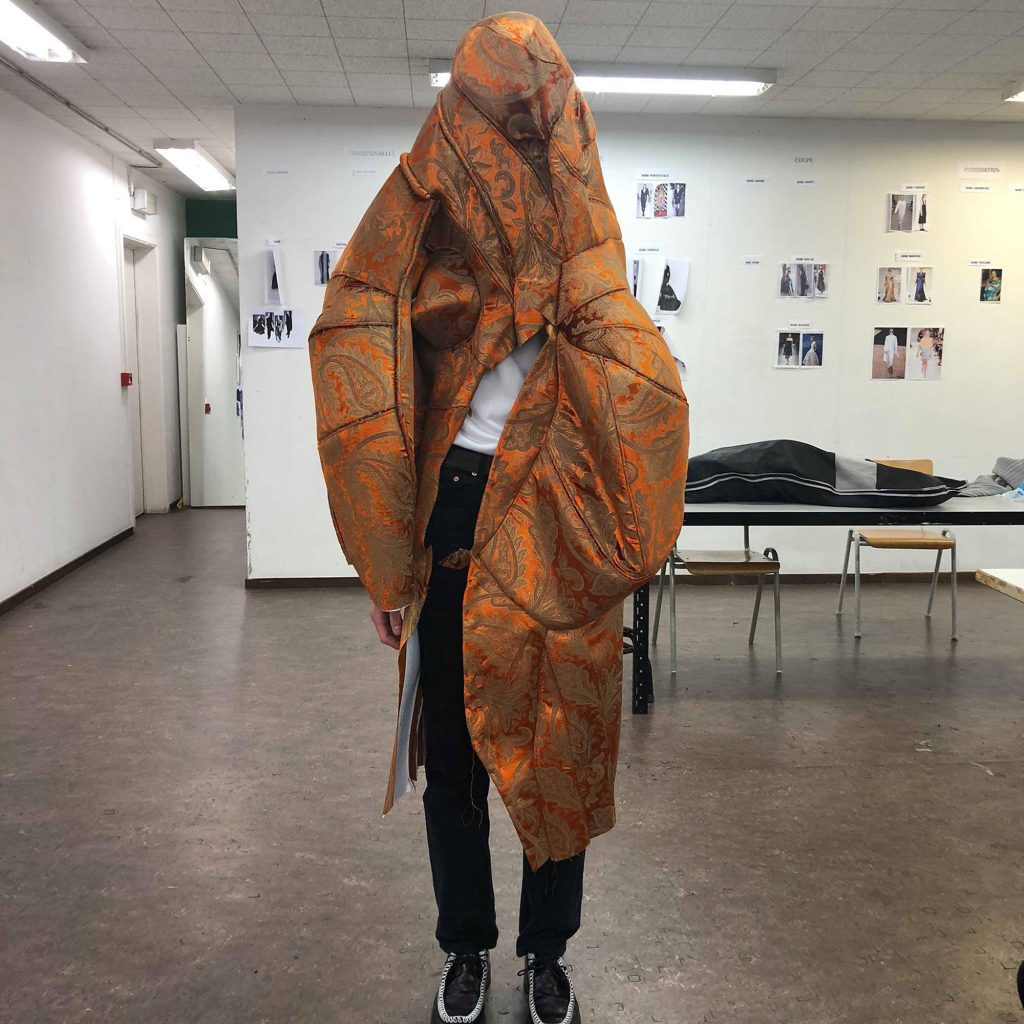
An instructor at La Cambre Mode(s) for a decade, Pierre Daras is also artistic director for several brands that trust him with their image. TLmag met with this modest but dedicated man who gives us his – actually quite simple – vision of fashion.
TLmag: In terms of your teaching activities, do you have the impression that you are forming Belgian designers?
Pierre Daras: Although we might not necessarily detect it from the outset, I would certainly say that there is indeed a Belgian school. And not just in fashion, by the way. In photography as well. If we give the same ingredients to a Parisian photographer, we would not get the same result as if a Belgian were behind the lens. Our cultural and artistic heritage is obviously different. So yes, there is a Belgian fashion influenced by the Antwerp Six.
TLmag: The Antwerp Six were a long time ago. Belgian fashion is something else now, isn’t it?
P.D.: The young designers coming out of La Cambre Mode(s) or the Antwerp Academy definitely have their own universe, but their way of understanding the body and clothes is a legacy of Martin Margiela, and of Comme des Garçons. These designers have, in my opinion, done everything, imagined everything. We are thus, whether we want to be or not, “the children of…”
TLmag: In the face of this legacy, how can a fashion designer today build their own identity?
P.D.: At La Cambre Mode(s), we support the students in their search for a personal signature. The first question that I ask them, when they arrive at the first year of their Master’s programme, is: “Why do fashion in 2019? How is it relevant?” In my opinion, fashion isn’t a job, it’s a way of life. If you don’t have something to say, don’t design clothing.
TLmag: You talk about relevance. Is it still worthwhile to become a designer today?
P.D.: Good question…especially in a world that already makes too much clothing (the fashion industry is one of the most polluting); one in which hundreds of young graduates continue to emerge from the schools each year. But yes, it is still worthwhile; we get dressed every day, and I want to continue buying clothing that is good quality, well thought-out and created by designers who reflect on and translate their visions.
TLmag: As a teacher, are the big questions of today (the sustainable aspects of fashion, for example) at the centre of your discourse?
P.D.:These questions are indeed drivers, but it is up to the students to pose their own. To help them, I decided, since last year, to invite Nathalie Khan, professor of fashion history at the Central Saint Martins College in London, to meet with my students. Her very different approach to mine and her very Anglo-Saxon attitude – thus less academic – regarding these questions, helps them to advance their personal reflections. As teachers, what seems important to us is to push the students to dig deeper in this reflection. In the digital age, students are tempted to stay on the surface, without investing themselves or thinking deeply. It’s up to us to require them to go further. This year, for the first time in my career, I saw first year students buying fabric on the internet. For a teacher, it’s confusing. Beyond the fact that I don’t support this tactic, it requires me to reconsider my approach and to find new ways of teaching. Our school is a laboratory. At La Cambre Mode(s), the students search, and search for themselves. The canvas is there, but, like them, we must constantly reinvent ourselves.
TLmag: Do you consider a deep reflection on the meaning of apparel to be the key to, and the price of, success? Does this approach explain the achievements of Marine Serre, la Cambre(s) Mode graduate and winner of the 2017 LVMH?P.D.:
From her first year at La Cambre Mode(s), Marine Serre knew exactly where she was going. To succeed, you need to make the right connections, but the role of genius is essential. For our school, the accomplishments of Marine Serre are a source of great pride, but considering her background, it was bound to happen.
TLmag: Today, to avoid succumbing to the fierce competition, is it interesting for a designer to distance themselves from the traditional operations of the sector, with its Fashion Weeks, its large, dominant groups, etc.?
P.D.:Everything is possible. Each person must find their own direction and the meaning they want to give to their journey. As I said, for me fashion is a way of life, not a job. So, couldn’t we simply say that what is important, is to return to true values, clothes cut from beautiful materials, the reassuring side of a more ethical fashion? And more generally, to “living together”, to happiness, to put it quite simply.


Articles you also might like
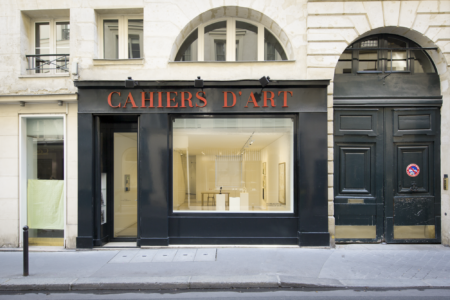
For our 2026 print issue: TLmag41: The Art of Collecting, Simon de Pury interviewed Steffan Ahrenberg, owner and publisher of Cahiers d’art, the iconic publishing house and gallery that celebrates 100 years in 2026. As part of their 100th anniversary, there will be a host of exhibitions and events in various institutions including the Peggy Guggenheim Museum in Venice and MoMA, NY.
On Saturday, March 14th, Belgian textile designer Vera Vermeersch will open her studio between 12-20h, offering visitors the opportunity to see her latest work, works-in progress, and have a unique glimpse into this prolific artist’s process and vision.
Just ahead of the opening of the 13th edition of Design Shanghai, we spoke to Zhuo Tan, Co-Founder and Event Director of Design Shanghai, to learn about the history of this prestigious design event, its support of contemporary Chinese design, and what she is looking forward to seeing realised this year during the 4-day event.
For ten days, Villa Empain becomes a living ecosystem of Belgian contemporary collectible design and art, with 32 designers and artists from Zaventem Ateliers taking over the historic building.