


Craft x Tech Tokai Edition
The 2nd edition of Craft x Tech was presented at the V&A during London Design Festival 2026, and featured six new collaborations pairing Tokai artisans with international designers and artists. Together, they explored new creative possibilities and produced contemporary works that celebrate the continuing relevance of traditional craftsmanship.
Craft x Tech, an experimental and artistic initiative founded by Hideki Yoshimoto with the objective of exploring how Japanese craft can evolve through collaborations with contemporary design practices, recently exhibited its 2nd edition at London Design Festival, after an initial exhibition in Japan earlier this year. The concept of the project, as Yoshimoto has described, lays in how we can use today’s technologies and ideas to show the depth of Japanese aesthetic sensibilities and spiritualities. It is also about human relationships and the opportunity to share expertise and talent between people who might otherwise not meet.
Maria Cristina Didero, curatorial director of Craft x Tech explains that “One of the most important things that often happens within this project is that, beside producing excellent and extraordinary objects, great human relationships are established. Sometimes the artisan and designer don’t even speak the same language but they managed to communicate via the passion of their work and skills and the willing of collaborating. This is very important for me.” After the first successful edition focused on the region of Tohoku, this 2nd edition brings together craft artists who specialize in one of Tokai’s distinctive traditional crafts. Tokai is a lesser known region in Japan’s traditional craft-making regions, but it holds a special place in the country’s history. It is known for its high-quality clay, water resources and its location that made it an easy connection for trade routes.
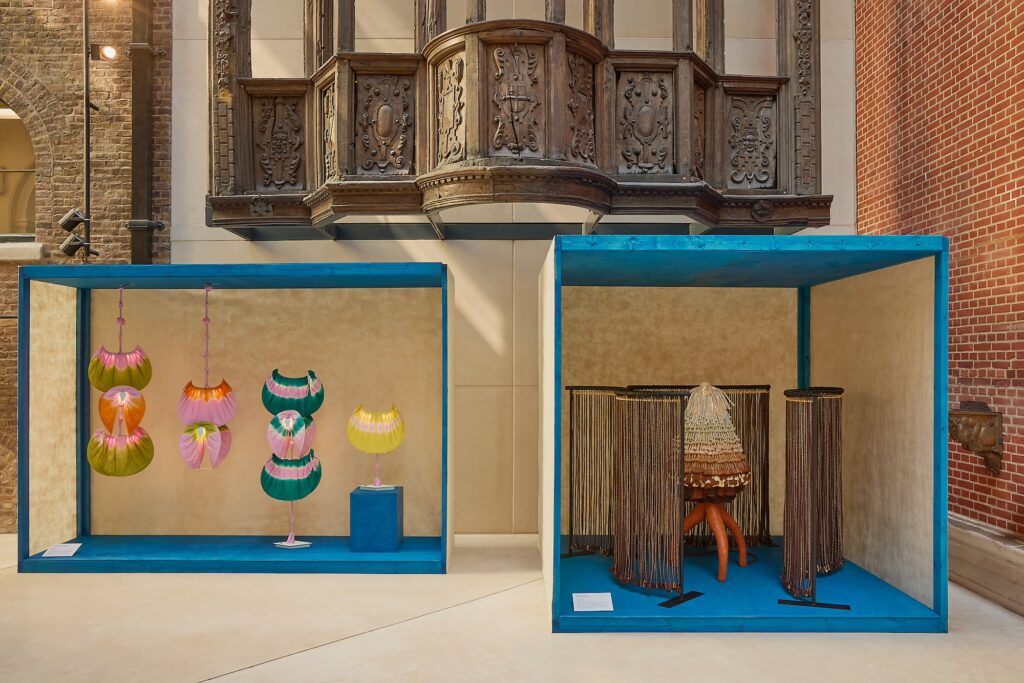
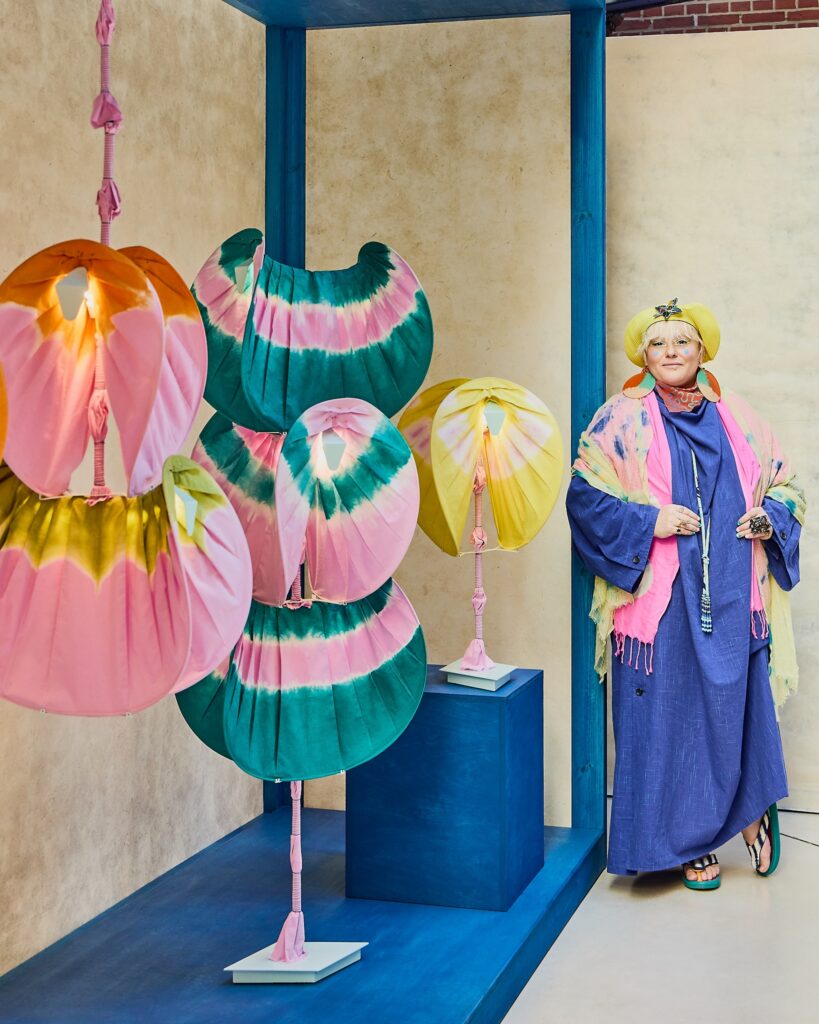
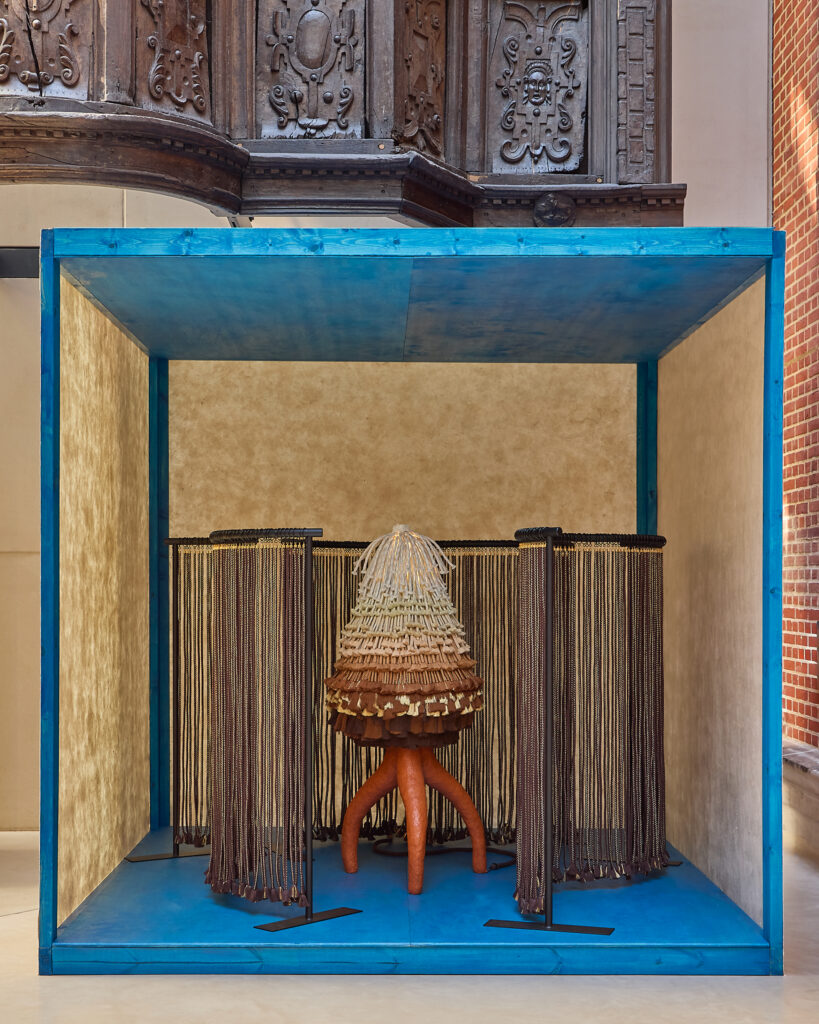
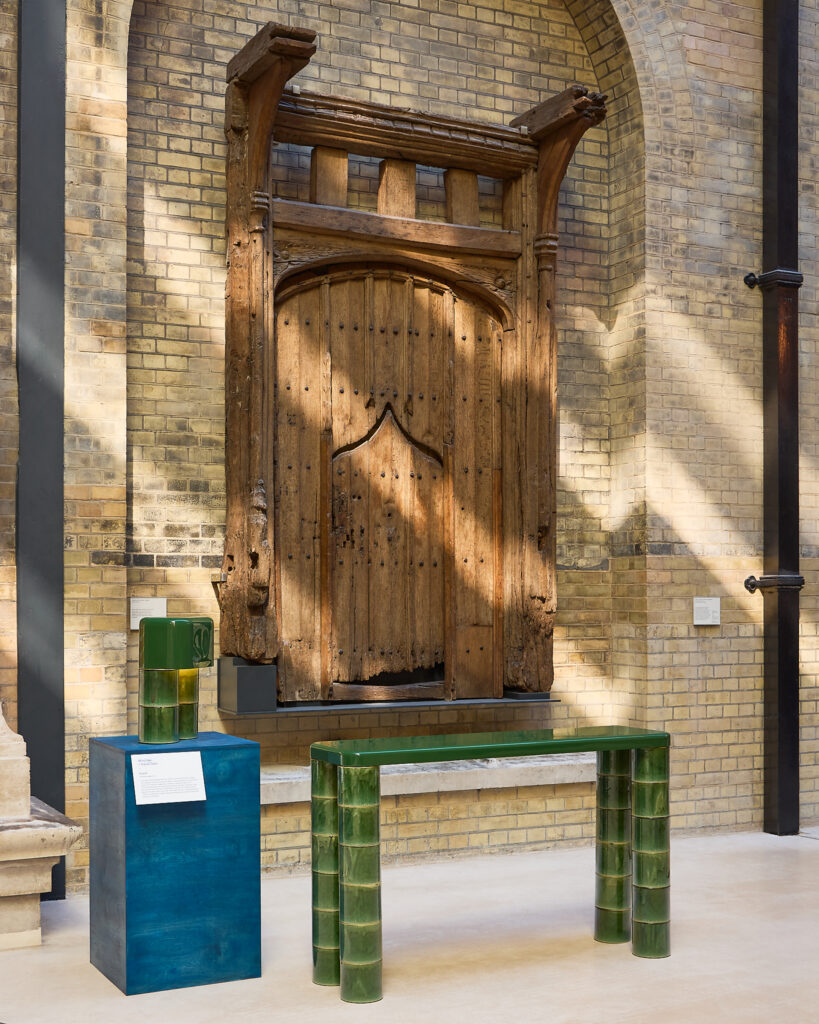
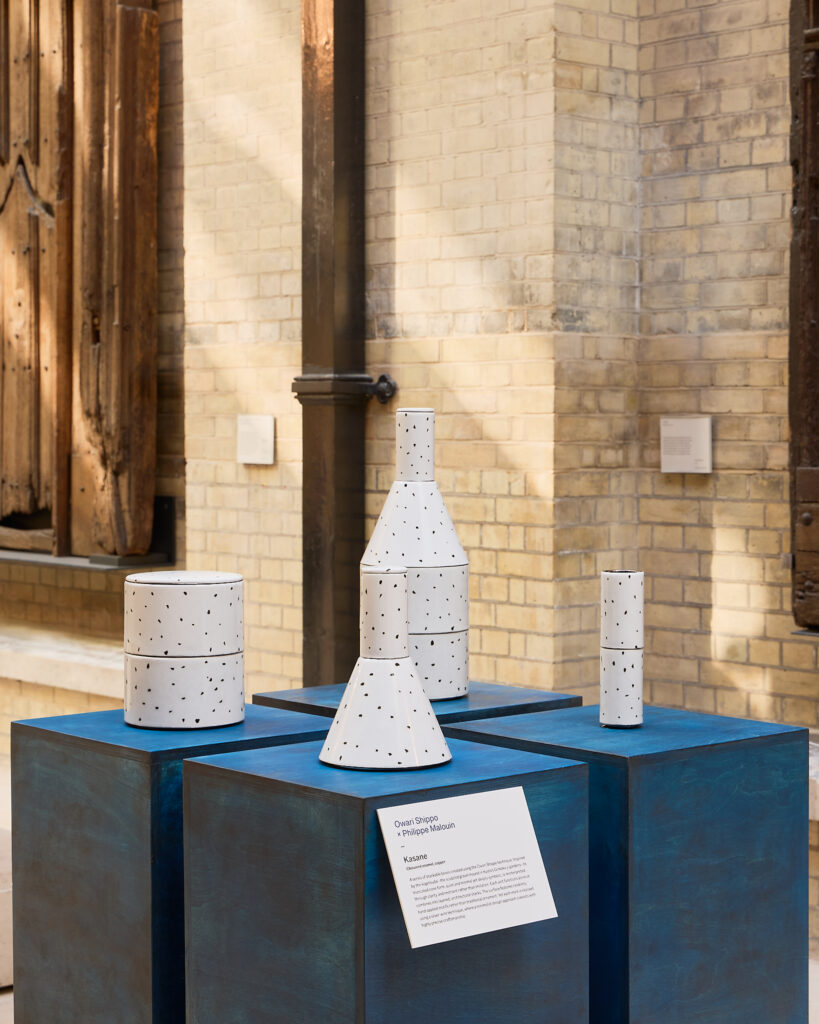
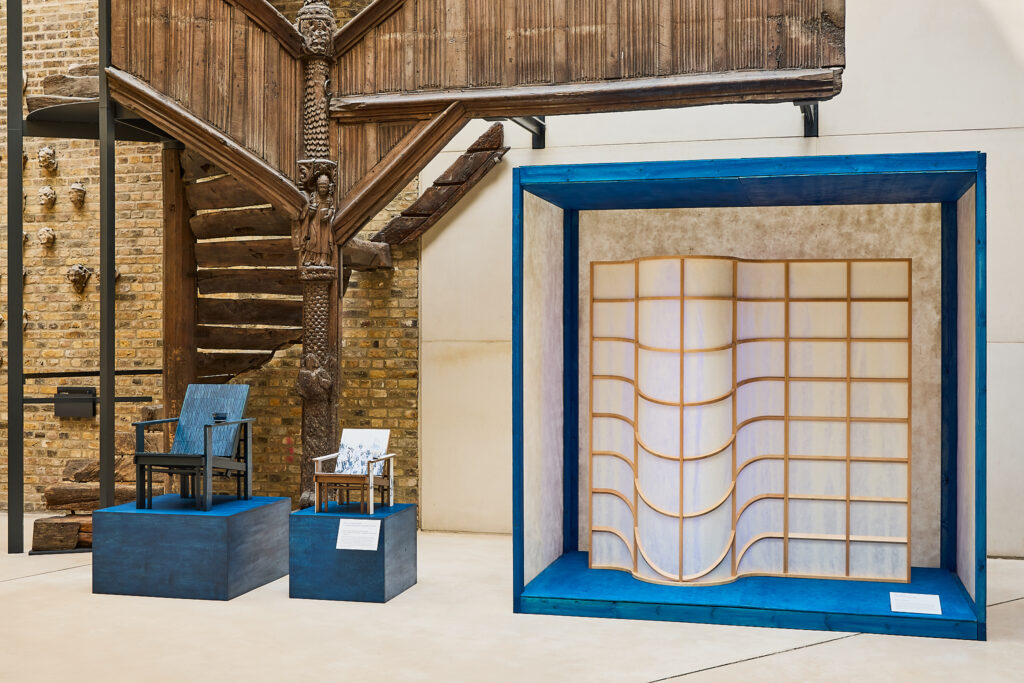
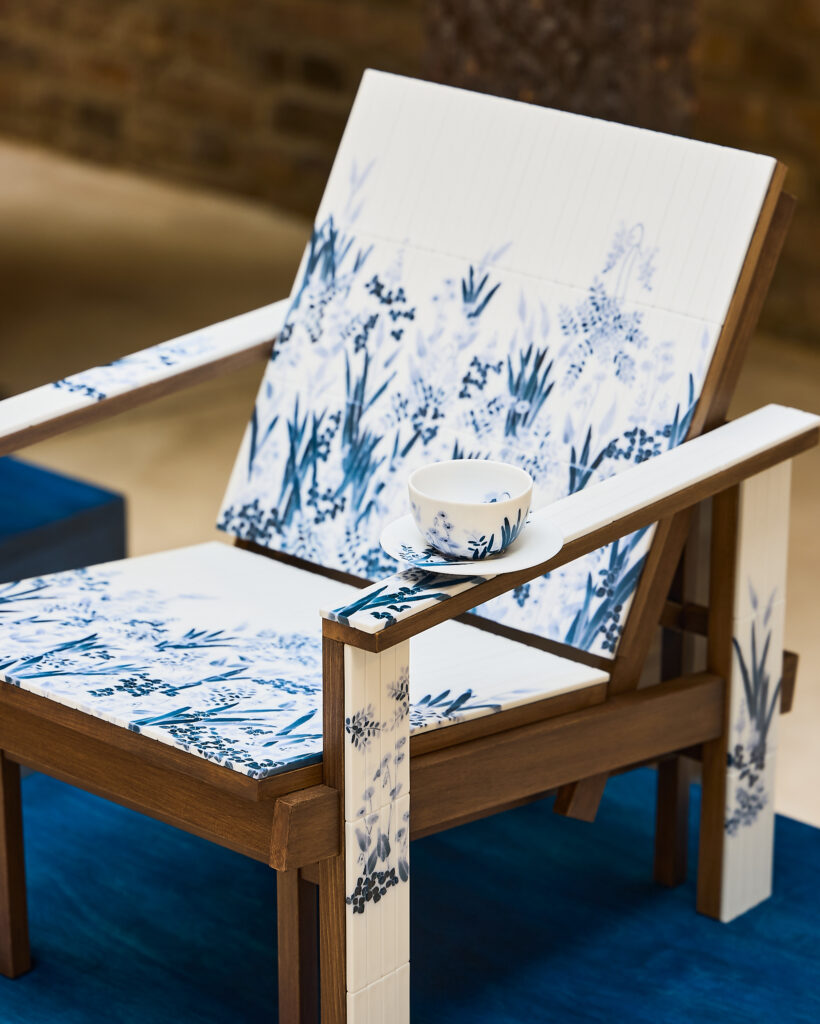
The collaborations included Fushi, a console and lighting piece created by Yohei Ito of Fudogama and Australian industrial designer David Caon, that used modular ceramic elements inspired by Mino Yaki; Grid Unwoven brings together Takanori Senda of Warabi Paper Company and design studio Lanzavecchia + Wai, who together reinterpreted the traditional Japanese shoji through the material qualities of Mino Washi; Hiroyuki Murase of Suzusan collaborated with British designer Bethan Laura Wood, transforming the colour and texture of Arimatsu Narumi Shibori into illuminated sculptural works; British-Canadian designer Philippe Malouin collaborated with Shigeyuki Ando of Ando Cloisonne, where they explored the architectural potential of Owari Shippo cloisonné; For Chair in Japanese Nuki and Dami style, The Everyday at the Atelier, Japanese contemporary artist Eugene Kangawa worked with Mayuki Kato of Shingama, drawing on the brushwork and tonal variation of Seto Sometsuke Yaki; and South African designer Atang Tshikare and Tomoyuki Matsuda of Itogo, collaborated on Yamollo, a sculptural lighting work informed by the structure and colour of Iga Kumihimo braided cords.
“What is striking is that when we invited the designers to take part we did not expected them to pursue any Japanese aesthetics, but wanted their DNA to be reflected and empowered by these techniques,” explains Maria Cristina Didero. “We can actually say that almost all the objects bring something of Japan: from the room divider by Lanzavecchia and Way, which beside being in washi paper is also a typical Japanese element (sliding door), and also represent perfectly this project with the association of tech, with the LED lights in the back.” One of the goals of Craft x Tech is to put these projects into commercial production in some way, to further promote and shed light on traditional Japanese craftsmanship.
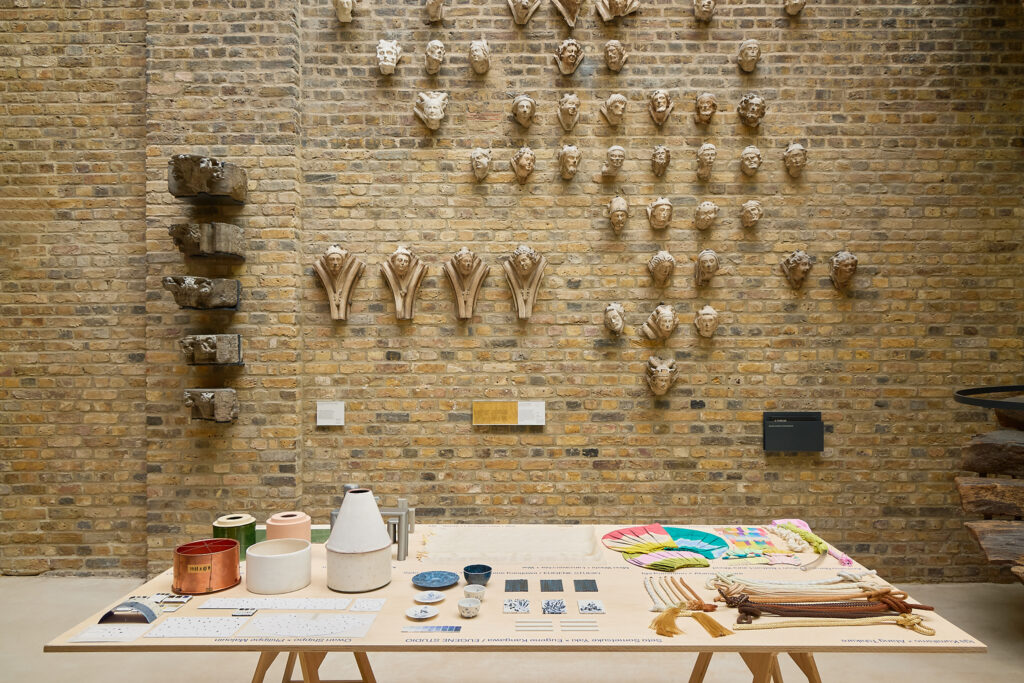
Spanning ceramics, paper, textiles, metalwork and braided cord, the six works offer a contemporary portrait of Tokai as a region where inherited knowledge continues to generate new creative possibilities.
For more information visit: Craft x Tech

Articles you also might like

From January 24-May 5, 2026, the Vandalorum presents Tales of the Hand, a dynamic exhibition of work by Masayoshi Oya.

From November 18-January 28, 2024, the Setagaya Art Museum presents a retrospective exhibition of legendary Japanese designer Shiro Kuramata.

Dive into a fascinating conversation between Japanese mentor Naoto Fukasawa and Taiwanese emerging artist designer Pao Hui Kao, where they unearth the profound connection between paper, Urushi, and nature. This exchange appears in the 2023 issue of TLmag39: The Culture of the Object.
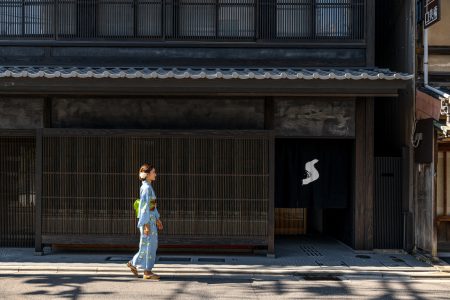
A spring visit to the Shinmonzen Hotel in Kyoto served as inspiration for TLmag’s forthcoming 2023 edition: The Culture of the Object.