

Sun and Moon: Andreas Eriksson & Ivan Aguéli at the Swedish Institute
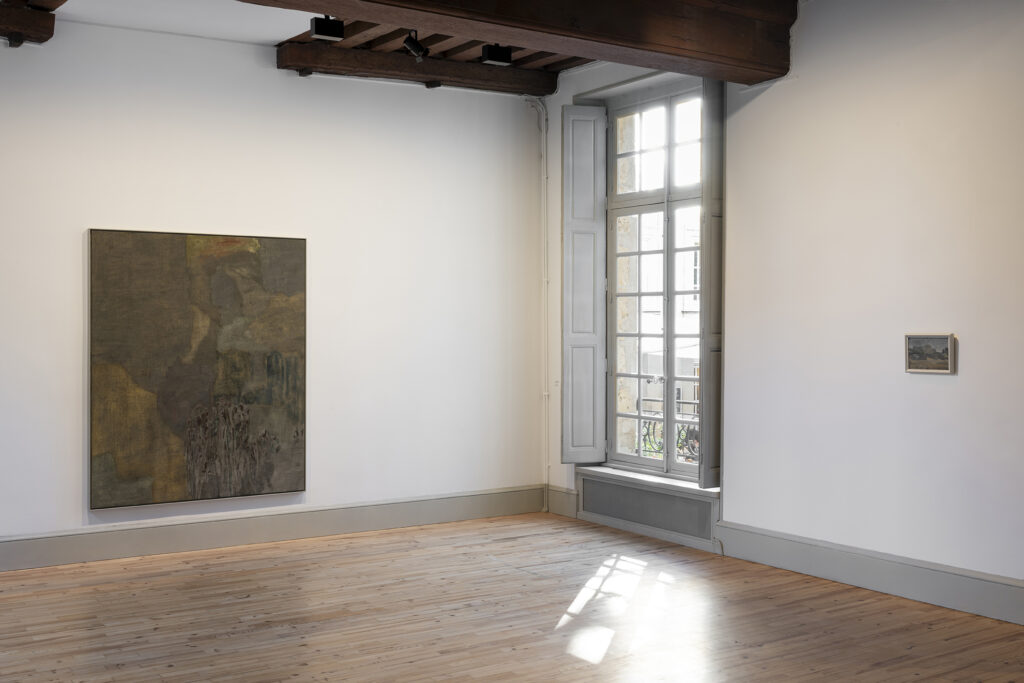
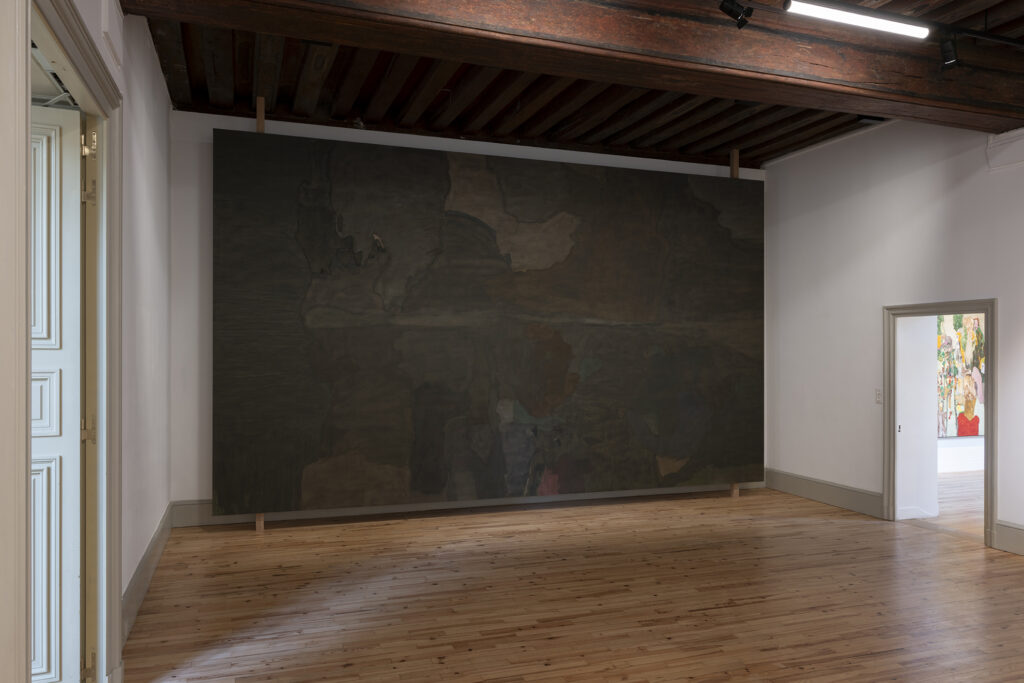
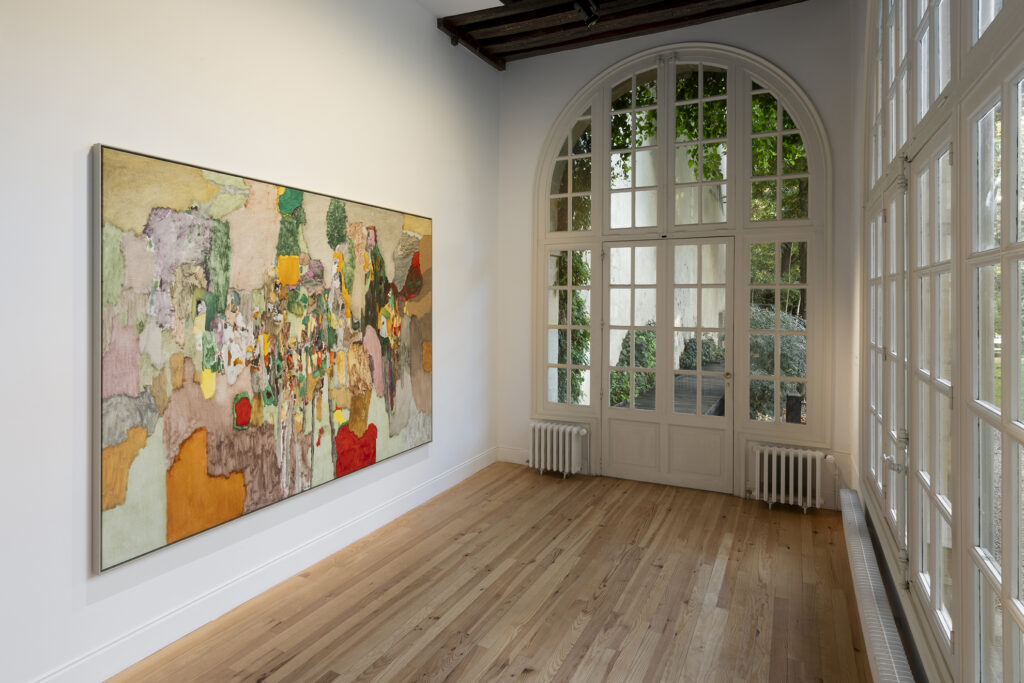
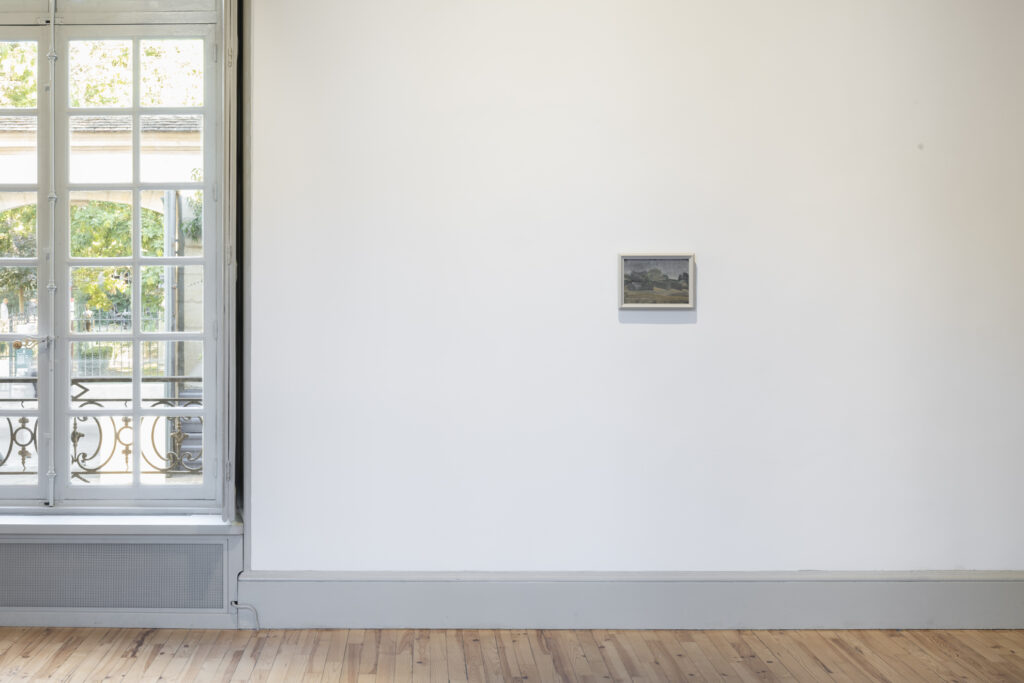
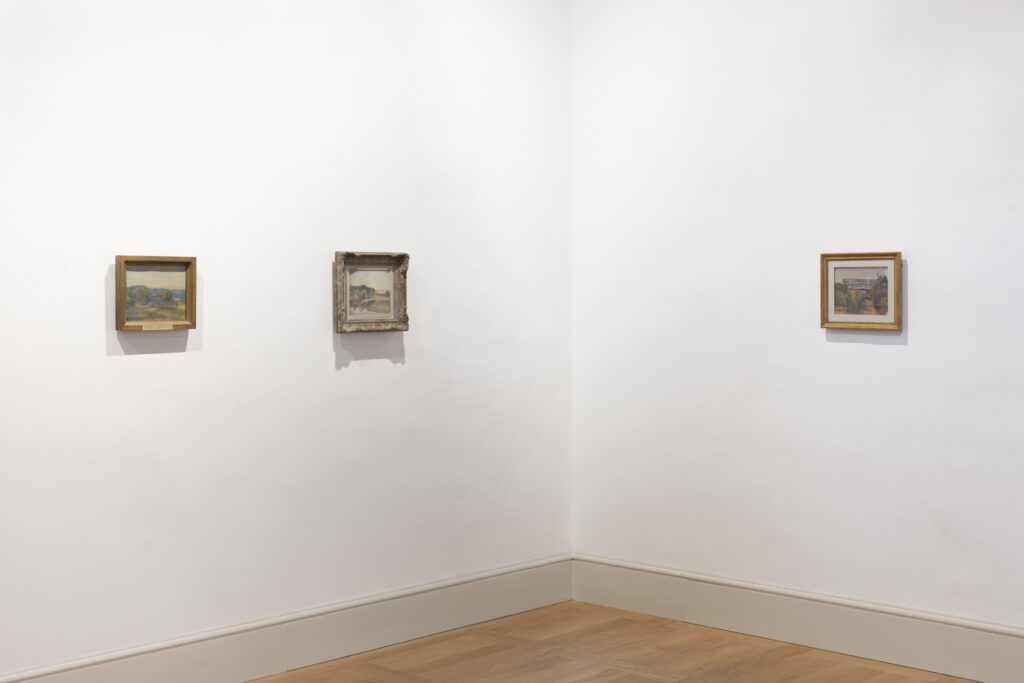
A selection of paintings by Andreas Eriksson & Ivan Aguéli, two Swedish-born painters with a love of nature and the beauty of landscapes, separated in age by a century, are paired together at the Swedish Institute for a poetic, thoughtful and visually engaging exhibition. Sun and Moon (Soleil et Lune) is on view through January 10, 2027
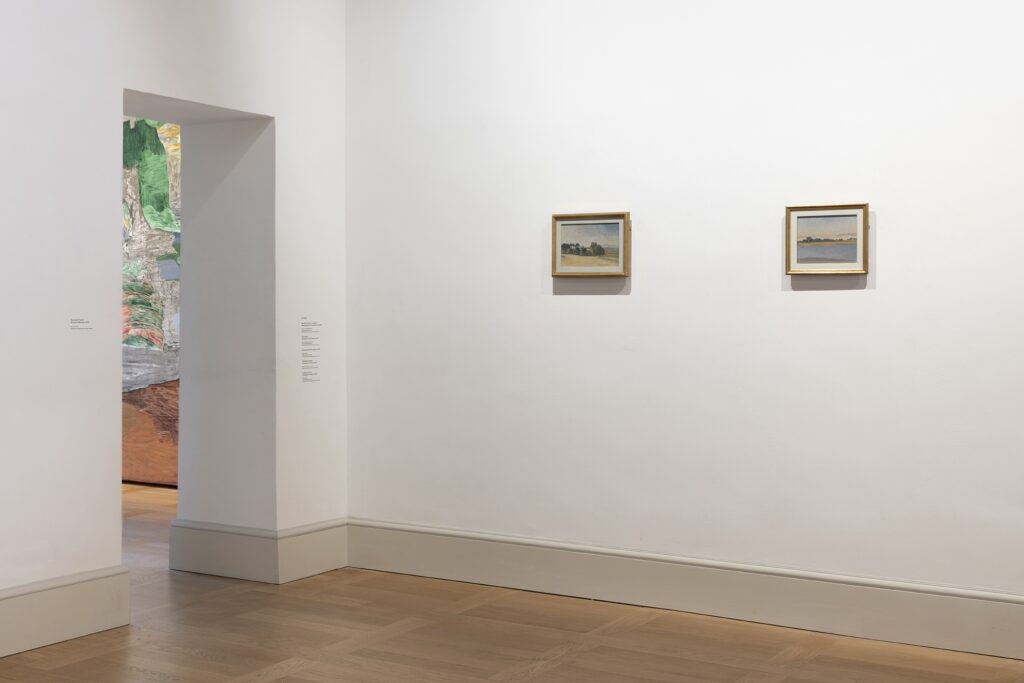
This fall, the Swedish Institute in Paris presents a unique exhibition that places contemporary Swedish artist Andreas Eriksson in dialogue with Ivan Aguéli (1869-1917), an underrecognized Swedish artist, thinker and traveller. The idea came from Eriksson, who proposed the idea of featuring a selection of small oil paintings by Aguéli in his exhibition. What develops is a thoughtful story around painting, the life of artist, and above all, the landscape and its effect on the creative imagination.
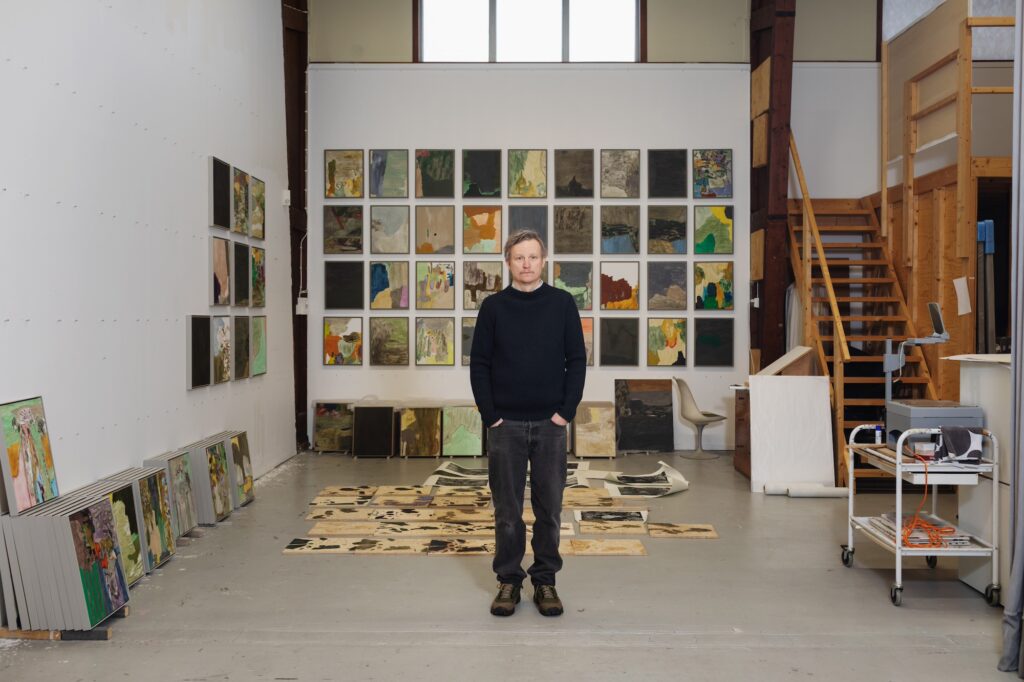
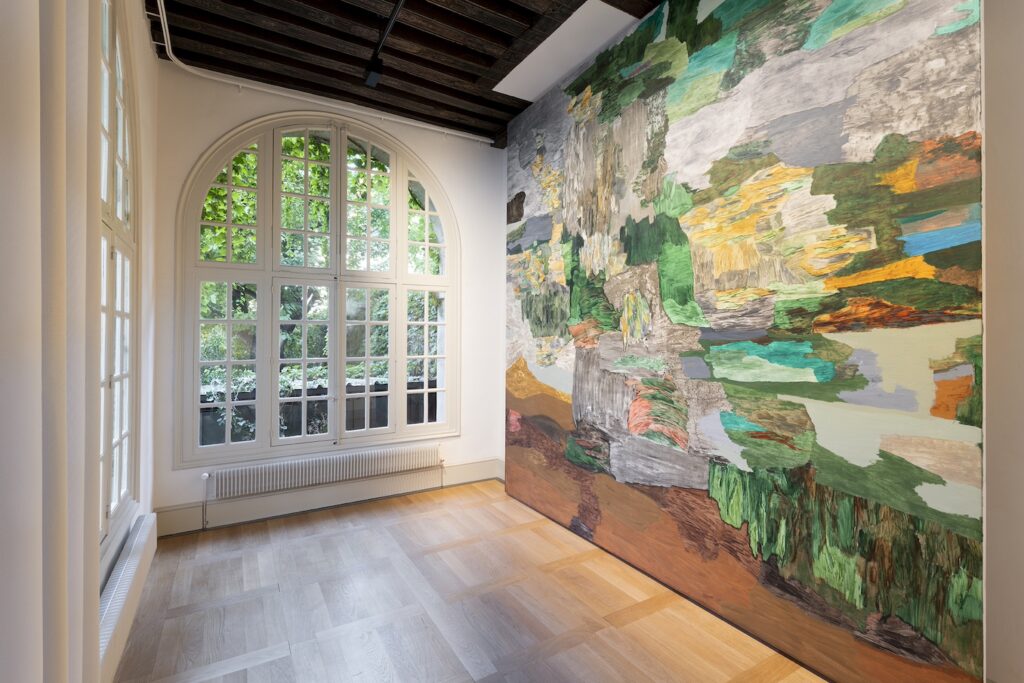
On paper, the two artists appear to be quite different, yet their work is united by a fascination with the landscape, its mystery, beauty and light. Andreas Eriksson is a leading contemporary artist whose works have been exhibited internationally, including representing the Nordic Pavilion at the 2011 Venice Biennale, the Louisiana Museum of Art in Denmark and the Centre Pompidou, in Paris, among many others. His work has often merged weaving and textiles, photography and mixed media, but the heart of his work is an exploration of the landscape, its many layers, minerals, textures and possibilities. Since 2000, he has lived on an old farm in Medelpana, near Lake Vänern, a remote region in southwestern Sweden, where his day-to-day is vividly connected to nature.
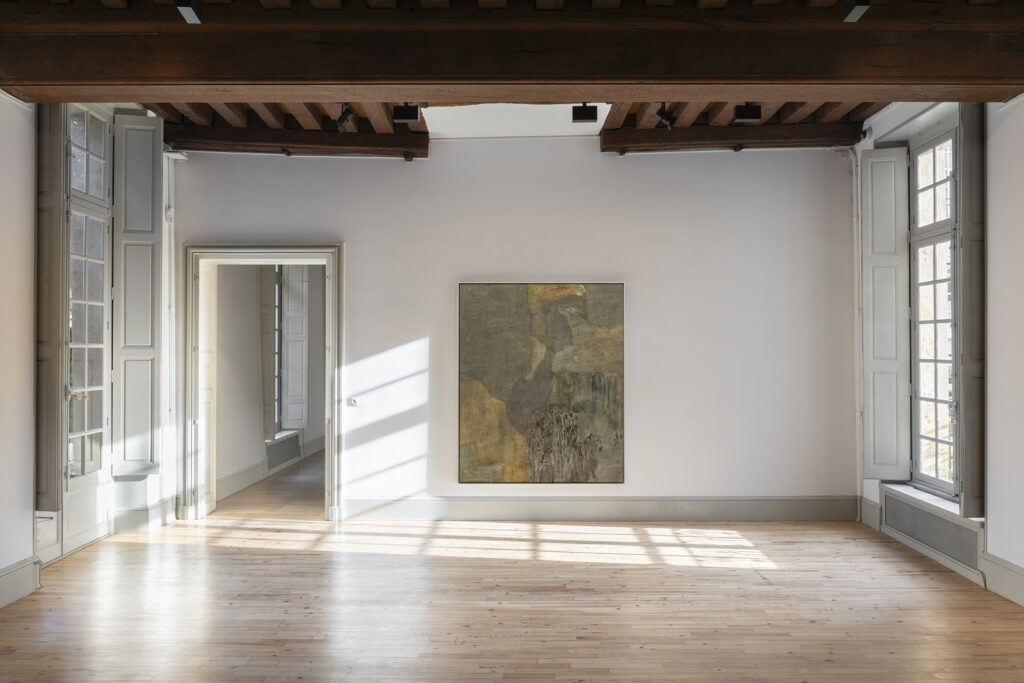
As he told Lise Coirier in a 2021 interview, in a response to the question of how much his artistic process is influenced by nature and where he lives, Eriksson said: “So much. But it is an unconscious process, not a strategy. A walk in nature is never a strategy for me. I can see how the impressions are being used, how they show up in the work. It is not a scientific project, but something that comes through the back door.” For Eriksson, process is slow, rhythmic, intuitive, and it is about a place, this land where he lives and works. As Sara Arrhenius, curator of the exhibition, writes, “Applying paint in blocks, layers and brushstrokes, Andreas Eriksson builds visual structures that can be interpreted as ways of experiencing the world. Geological strata, minerals, moss, leaves and bark: his paintings are layers of materiality, accumulations of energy and time in a variety of densities and forms.” Eriksson has long had an appreciation of older Swedish landscape painters, particularly between 1910-1940, seeing in their approach to painting something “raw, direct, naïve. It touches me deeply,” he told Coirier in the 2021 interview.
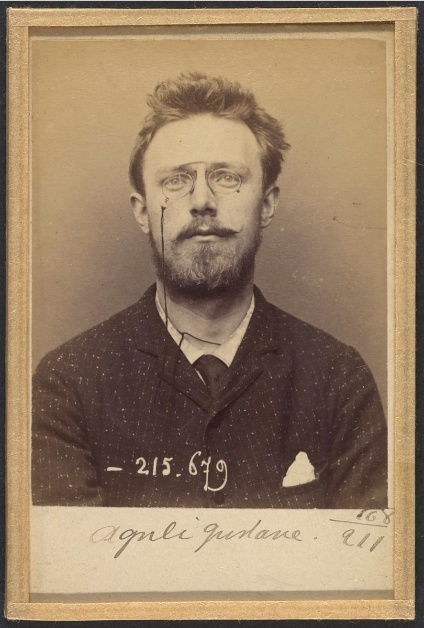
Ivan Aguéli was born in Sala, in the Southwest of Sweden, and died in Barcelona in 1917. It is difficult to give a concise outline of his life, which while relatively short, was filled with adventures. He was a painter, radical thinker, writer and traveller, spending time in Paris, Egypt, India and Sri Lanka, among other places, living a life of intellectual and spiritual pursuit that began after he was incarcerated for six months for harbouring an anarchist wanted by the police, in 1894. Here, he began studying Hebrew and Arabic, Ancient Egyptian arts, Eastern philosophy, Sufism and the Qur’an, then left for Egypt where he painted landscapes and architectural scenes. He took on an Arabic name, Abdalhâdi (Servant of the Guide), and he co-published two Arabic-Italian articles about esoteric Islamic treatises, and wrote several art-related texts for French publications. He viewed art as a path to higher perception, closely linked to metaphysics and mysticism. After being expelled from Egypt by the British, who suspected him of being a spy for the Ottomans, he ended up in Barcelona, broke, and still painting until an untimely death in a train accident.
Both artists explore something spiritual in their work. In the case of Aguéli, it was in his curiosity with other cultures and religions and ways of looking at the world which were likely not available to him in Sweden. He was immediate and probably intense in his pursuit of something deeper. In contrast, Eriksson lives in the 21st century, where constant information overload is a click away. For him, retreating to the quiet of the remote Swedish countryside is where he can find the space to push his ideas and process further. Aguéli’s delight in the sky, luminous skies and vast plains, while Eriksson’s paintings can be more muted, layered, detailed, micro. Together at the Swedish Institute, the dialogue between the two painters is resonant and impactful. As Arrhenius writes, “These paintings live in the same atmosphere and reflect a common quest for truth.”

Articles you also might like
These are the final weeks to see The Defeated: The Aesthetics of Resistance 2026 at Bonniers Konsthall. With a fall fraught with global elections and shifting political landscapes, the timing for this exhibition could not be more urgent. The exhibition closes on November 8th.
Carpenters Workshop Gallery Los Angeles presents California Poppies, a solo exhibition by Roger Herman that includes paintings, ceramics and functional furniture. The show is on view through September 20, 2026.

The Swedish Institute in Paris presents “Blazing Grace” a group exhibition of five leading glass artists whose work is reframing the legacy Swedish Grace movement and blazing a new future in Swedish glass. The exhibition is on view between September 3-September 21, 2025.

The Fondazione Officine Saffi presents a solo exhibition of works by Norwegian artist Ann Beate Tempelhaug titled, I should have not used blue? The exhibition is on view through May 31, 2025.