

New-Andean Spaces of Identity and Future
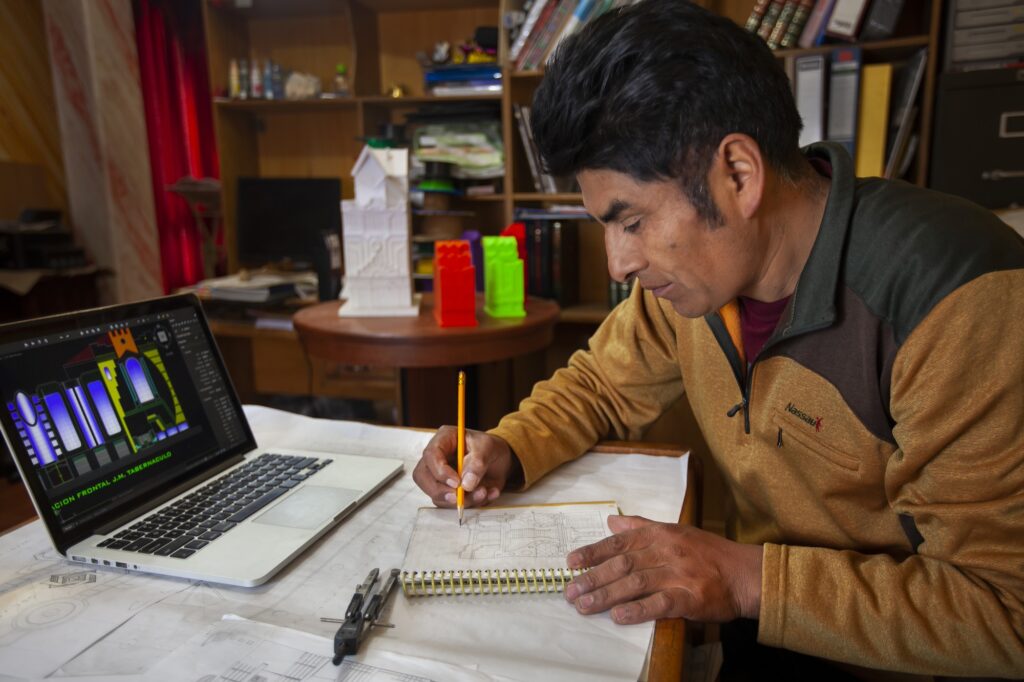
For the 2024 issue of TLmag40: The Ideal Home, Bolivian architect Freddy Mamami Silvestre wrote about his architectural practice based in the Neo-Andean Style, including his singular ‘Cholets’, multi-purpose, public and private buildings that embrace the country’s layered culture and past.
As an architect, to work and build in the Neo-Andean style goes beyond simply constructing buildings, it is a labour devoted to creating spaces that capture our cultural essence and reflects our community’s connection to its future. In the Plurinational State of Bolivia, which recognizes 36 indigenous nations in its new constitution, the challenge is precisely to reflect this cultural diversity in architecture. This architectural trend is inspired by our ancient civilisations which are more than 2,000 years old, when our ancient cities were organised in areas of up to 5 square kilometres and were home to approximately 40,000 inhabitants.
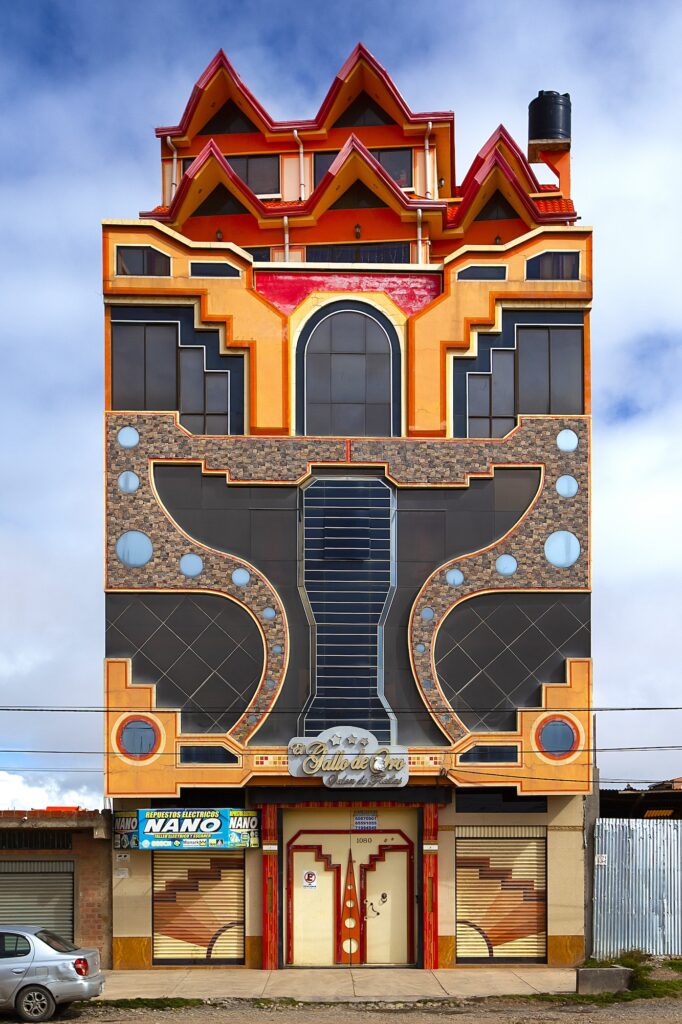
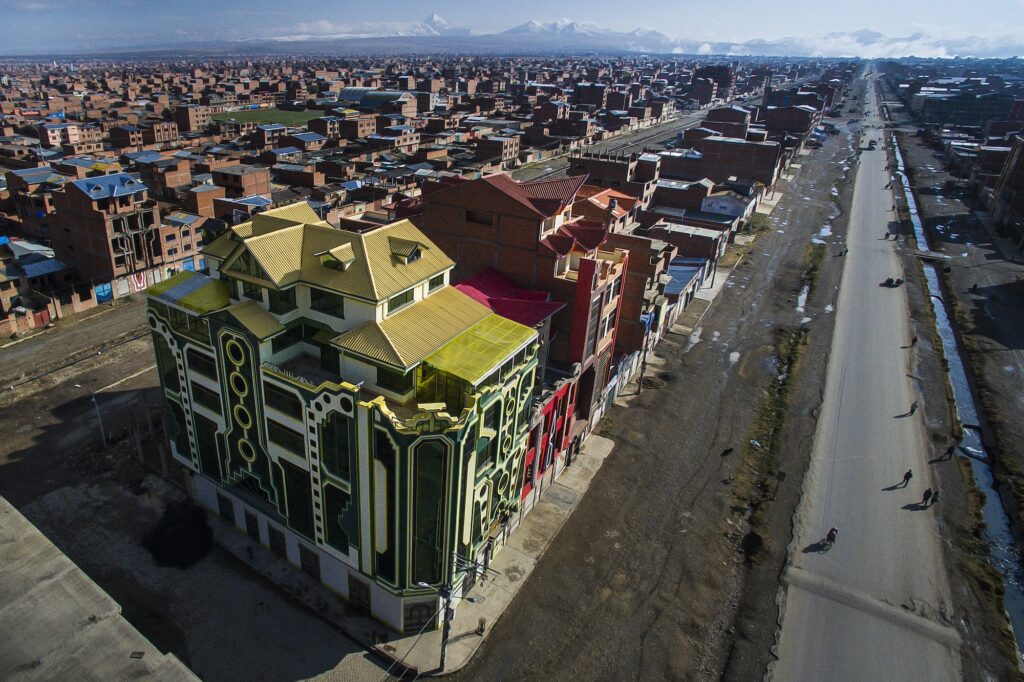
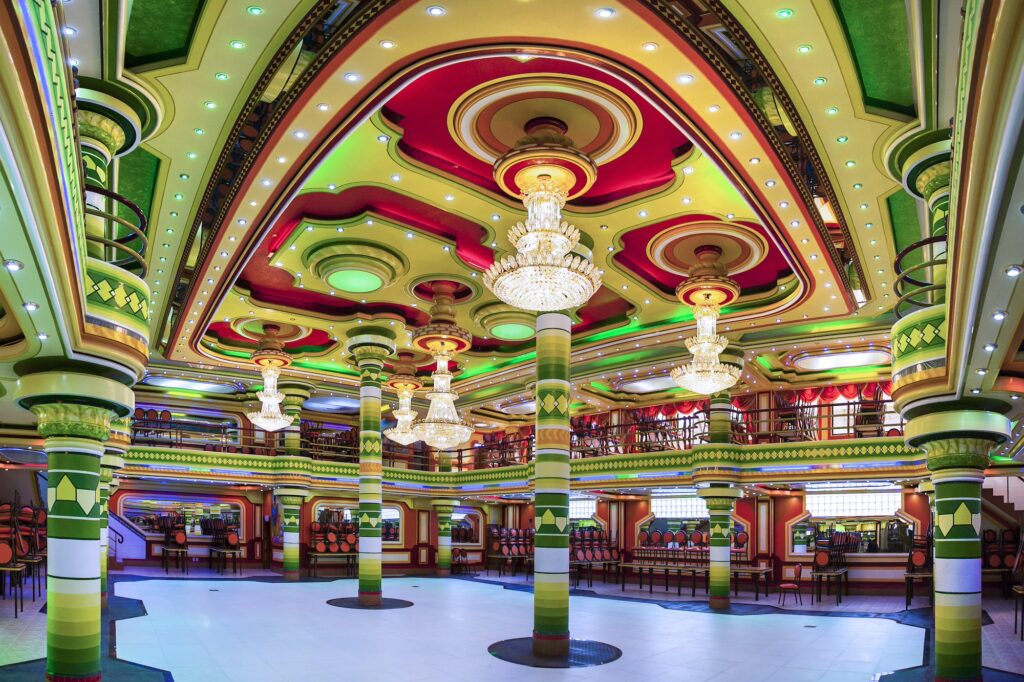
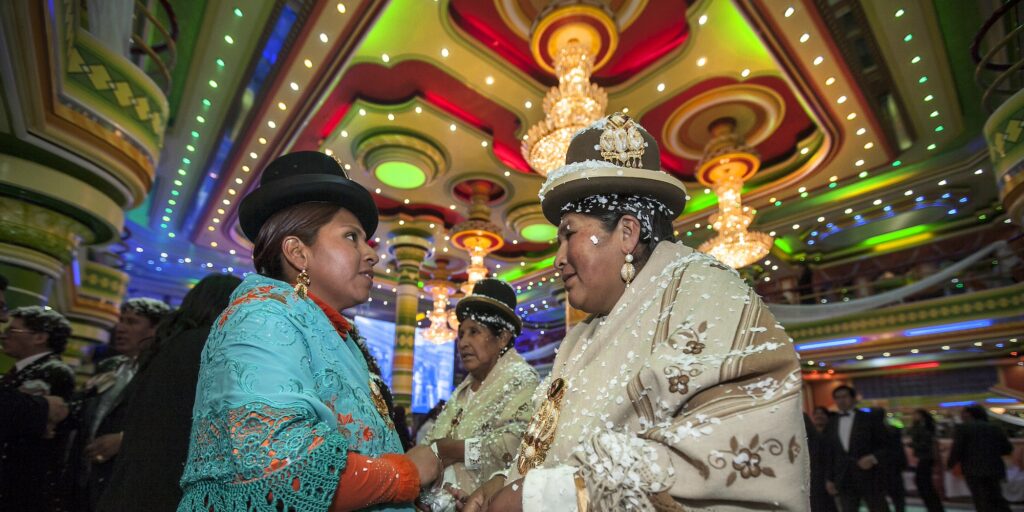
This rich heritage is the primary source of inspiration in creating spaces that connect cultural heritage with the present. El Alto, a city of intense commercial exchange and rich cultural diversity, was the site of the first Cholet building. Residents are enterprising and forward-thinking, and strive for growth all while maintaining a social dynamism that is rooted in community traditions. Each project is born from a deep understanding of the experiences of those who will inhabit it and from a constant dialogue with the city in which it is built. Neo Andean architecture reflects the cultural and social identity of Bolivia, by creating spaces where the private and the collective exist in harmony in our contemporary moment as it did in our past. The first floor is dedicated to commercial activities, with shops that vary according to the neighbourhood in which the building is located, selling everything from bricks to groceries. On the upper floors there are Cholet-style apartments, where the families who own the building live; the economic, social and family life are all intertwined. The middle floors of the Cholets are home to the heart of the building: the Salón de Fiestas.
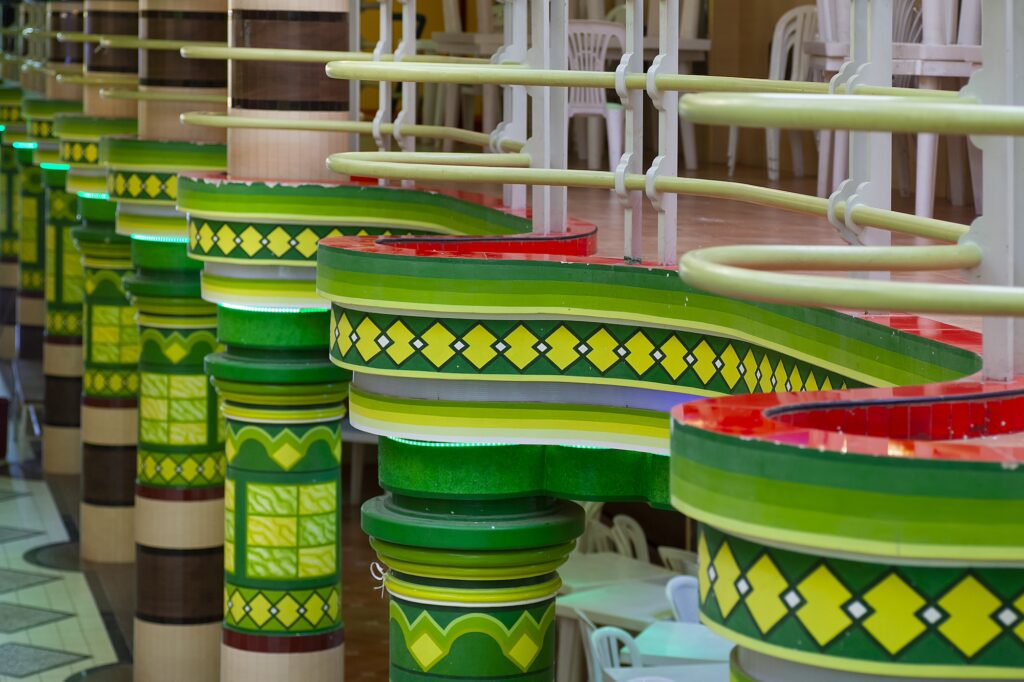
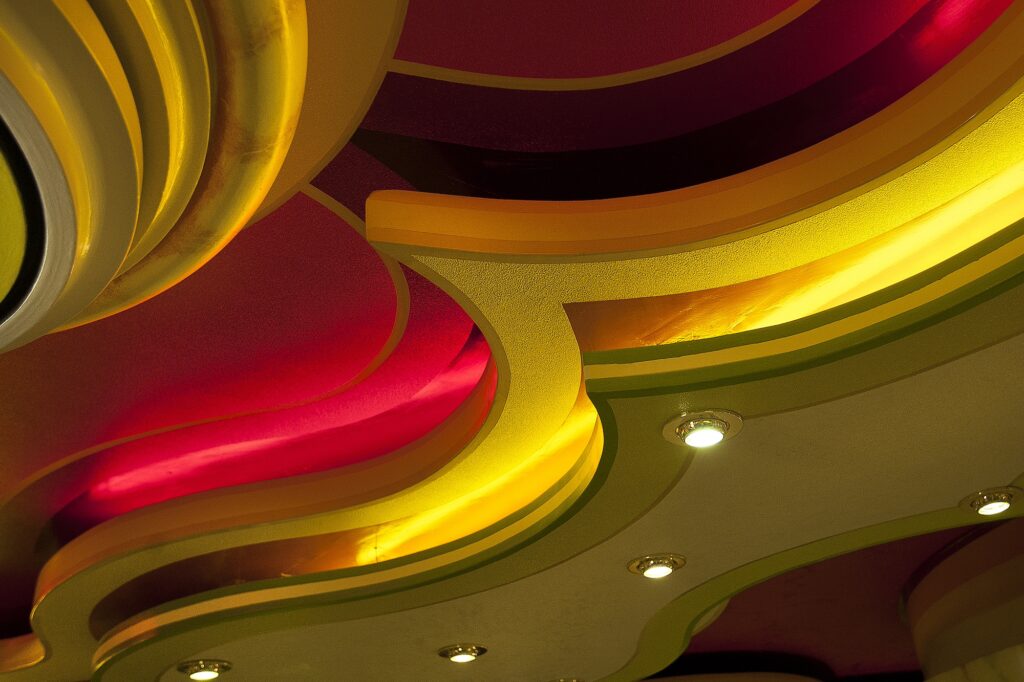
With a design that combines colours inspired by Andean and Amazonian textiles and bold geometric shapes, these spaces integrate cultural heritage in a contemporary context, evoking the grandeur of a modern Tiwanaku. These halls are used as meeting points for celebrations such as family parties, weddings, baptisms, birthdays, funerals, as well as union events, company parties and religious festivities. Cholets not only represent the vibrant local economy and festivities, they also respond to the needs and aspirations of the community. In these halls, the reciprocity principle, present in the Andean and Amazonian cultures, manifests itself in every event and celebration, where the private and collective are constantly engaged in a continuous exchange.
Each Cholet is unique. To achieve this uniqueness, specific tools are designed to develop modern geometric shapes inspired by the ancestral Tiwanakota architecture, but these are reinvented for each project. The unique finishes reinforce the individual character of each building, ensuring that each Cholet is a unique and inimitable work. The Cholets are an enrichment to El Alto’s urban landscape, inviting those who observe and use them to immerse themselves in an experience that celebrates our cultures in every detail. As an architectural expression unique to Bolivia, the Neo Andino captures cultural and social identity; each building is a work of art in itself, a tangible representation of the synergy between the private and the collective which can be put into practice through the spaces that it offers. The architectural vision projects history into the future: the ancestral and the modern are not in conflict; they complement and enrich each other. The buildings are an expression of collective wealth; this wealth is not empty opulence, but an affirmation of what we have built as a society. It visibly expresses our history and future, proving our ability to thrive in an ever-changing world without losing our essence. A clear example of the redefinition of modernity from its cultural roots, El Alto is a city in constant transformation. The Cholets are a tangible manifestation of this transformation, demonstrating that art, culture and daily life are deeply intertwined. Each building
shows us that modernity does not have to mean losing identity, it can be an occasion to reaffirm it. Creating new architectural language that honours the past while embracing the future, each Cholet contributes to the local identity and opens the doors to an internationalisation of this architecture. Thus, the vibrant essence of the culture invites discovery, uniting tradition and modernity in an ongoing dialogue that enriches the collective identity; and further establishes El Alto’s status as an architectural destination of international relevance, whose modern endeavours introduce those interested to the ever rich past on which it draws.
@freddy_mamami_silvestre



Articles you also might like
On October 25, 2025, after three decades on Boulevard Raspail in Jean Nouvel’s iconic glass-and-steel pavilion, the Fondation Cartier pour l’art contemporain opened its doors at 2 Place du Palais-Royal, directly opposite the Louvre, marking a radical new chapter for this contemporary art centre.

Amor Immeuble is an architecture practice based in Paris and Brussels that develops projects at the intersection of research, site-specific experimentation, and construction. This is an edited version of a Carte Blanche feature they contributed to TLmag40:The Ideal Home.
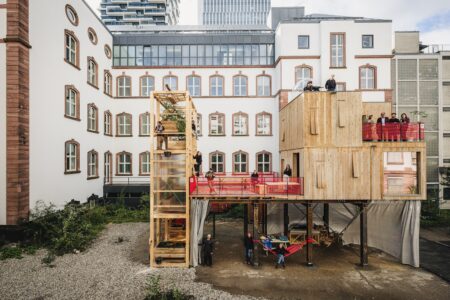
Together with a group of students from Harvard’s Graduate School of Design, Dr. Niklas Maak helped develop a prototype of tiny home housing for refugees living in Frankfurt. He wrote about the experience and the tiny home movement for our 2024 print issue: TLmag40: The Ideal Home.

This summer, the Palais Galliera opens a major exhibition dedicated to the work of avant-garde fashion designer Rick Owens. For our 2025 print issue: TLmag40: The Ideal Home, Marie Honnay spoke to Michèle Lamy, artist, performer, fashion icon, and partner of Owens about the hybrid home they share.