

Blazing Grace at the Swedish Institute
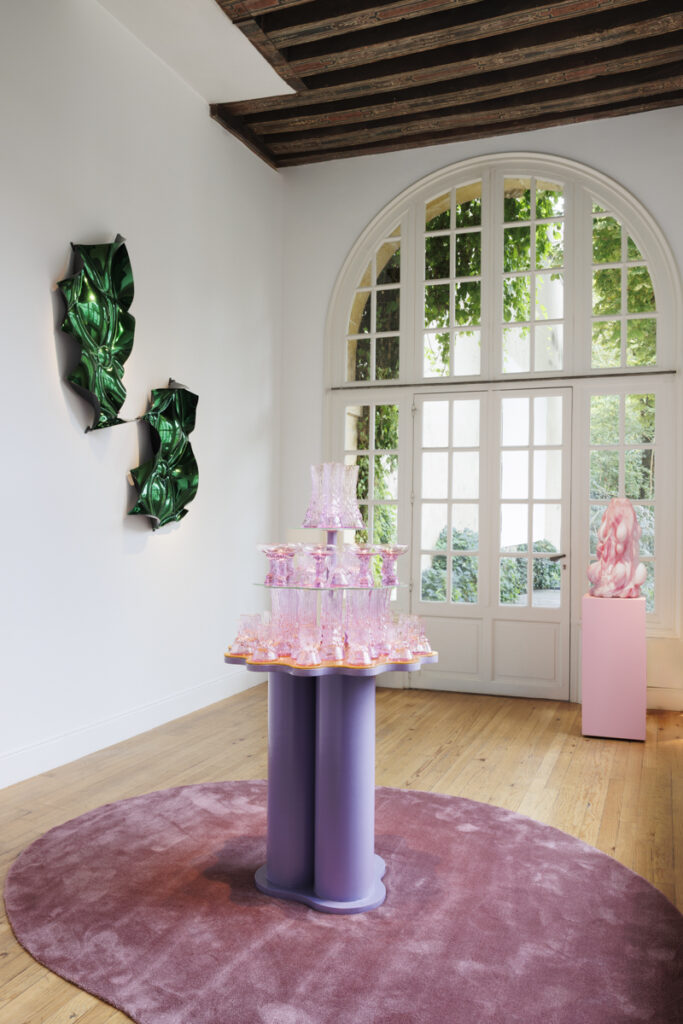
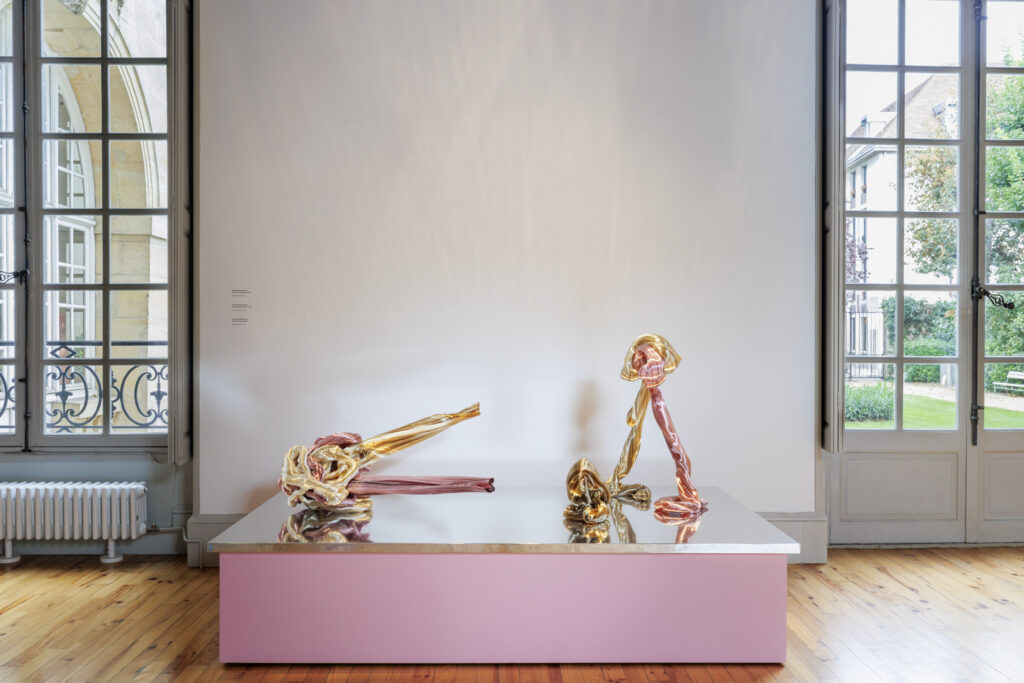
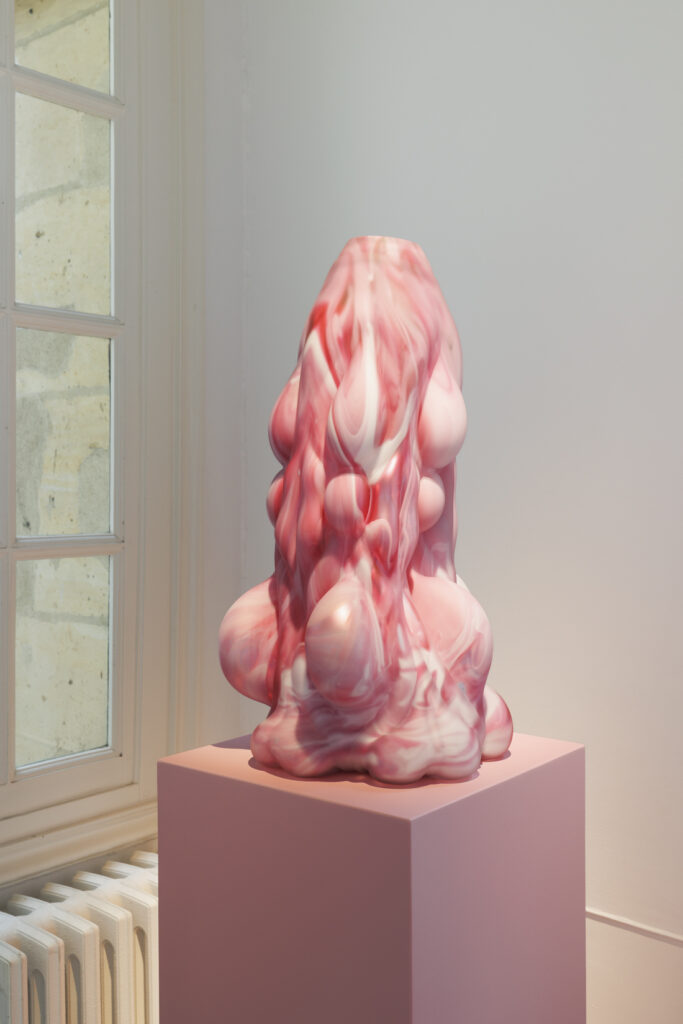
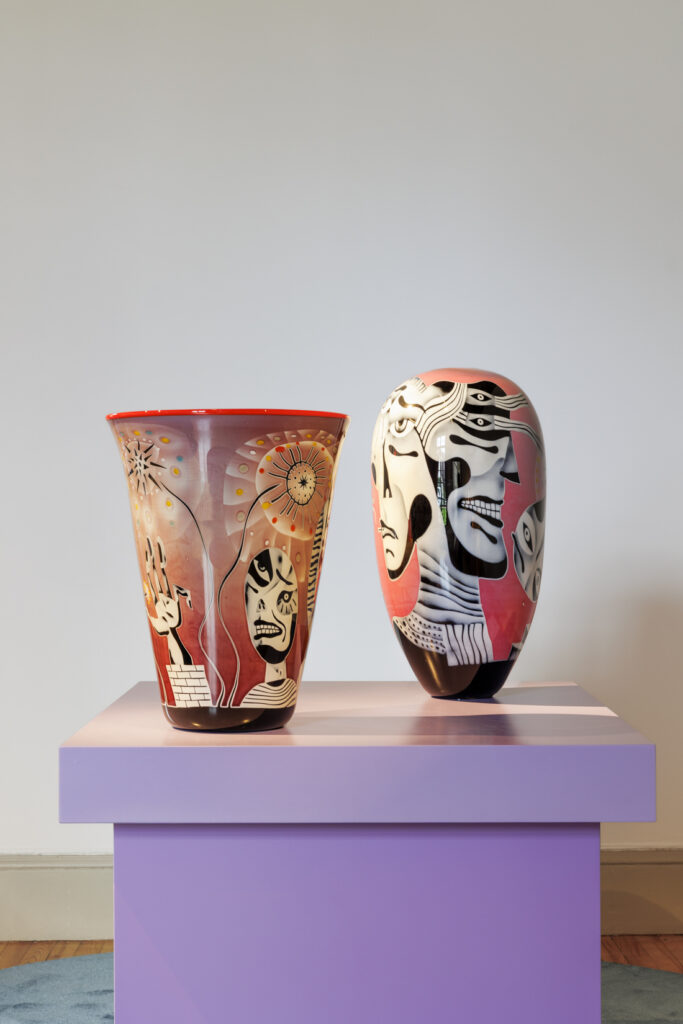
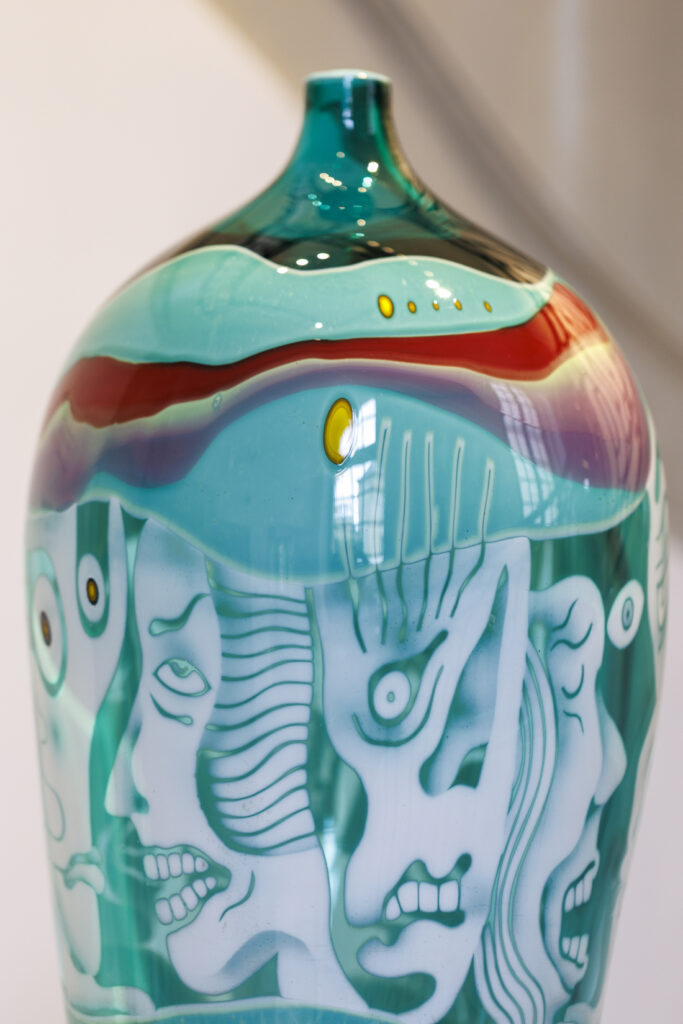
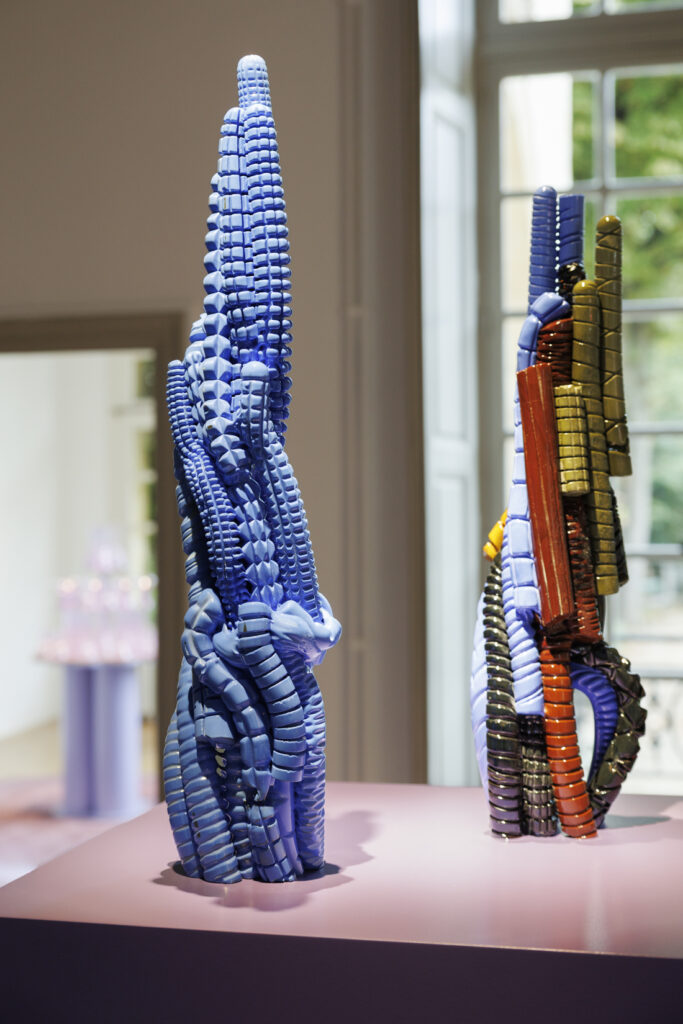
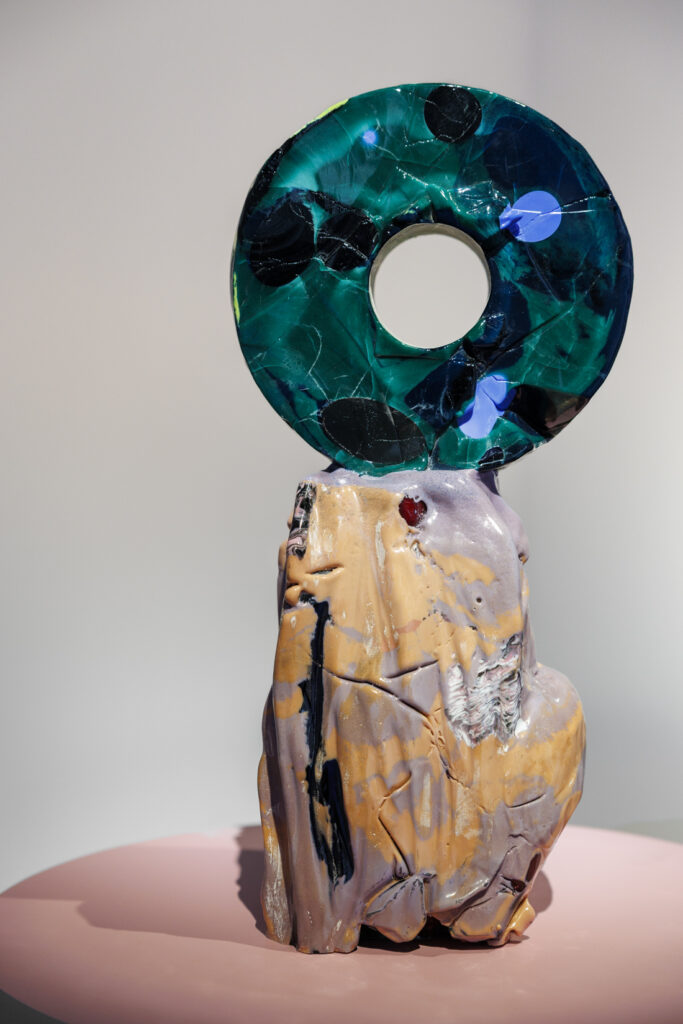
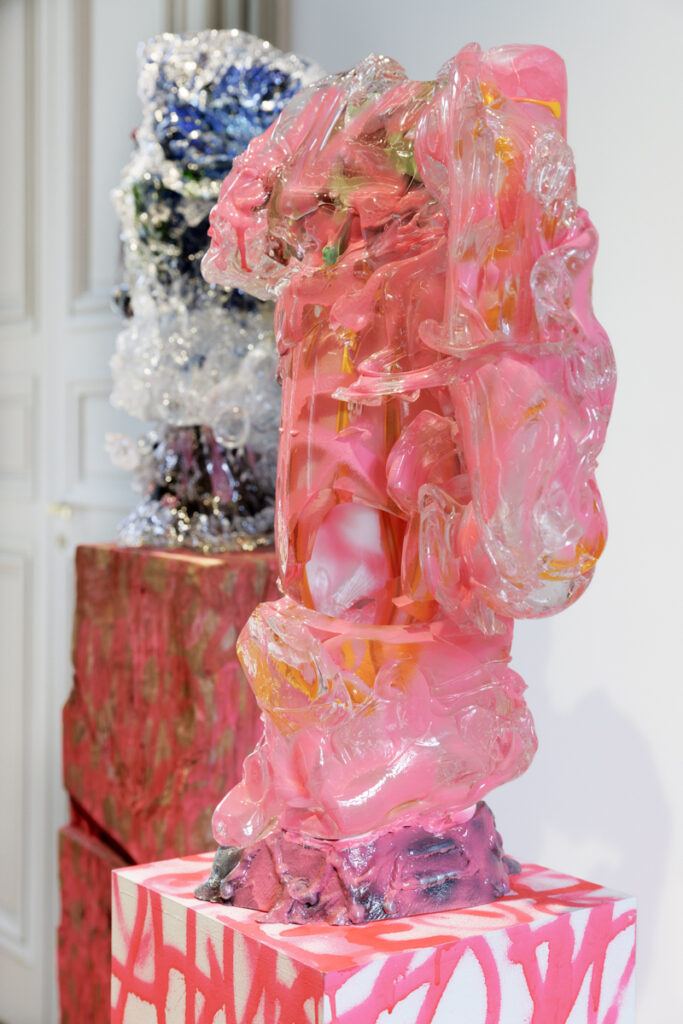
The Swedish Institute in Paris presents “Blazing Grace” a group exhibition of five leading glass artists whose work is reframing the legacy Swedish Grace movement and blazing a new future in Swedish glass. The exhibition is on view between September 3-September 21, 2025.
In the early 20th century, Sweden was already beginning to establish itself as a guiding force in craft and design. In the early 1910s, the Swedish Crafts Association launched the concept of ‘beautiful everyday items.’ This simple yet ground-breaking vision, helped shape not only the way Swedish people see themselves, but also fortified an international reputation around Swedish taste and design. “The idea was to enhance the home with functional and simple design at an affordable price,” write the curators, (hello seeds for Ikea), and this democratic idea brought forth a wealth of artists and craftspeople working both by hand and in mass production in ceramic, glass, wood, metal and textiles. An international breakthrough was during the International Exhibition of Modern Decorative and Industrial Arts in Paris, in 1925, where the Swedish porcelain of Rörstrand and Gustavsberg, textiles by Märta Måås-Fjetterström, pewterware by Estrid Ericson and, Swedish glass by Orrefors were hailed by the public. This rise of recognition and exports led the style known as ‘Swedish Grace,’ dominated the aesthetic – light, bright, welcoming, pure design – for decades until the rise of Swedish modernism or later, Scandinavian modernism which further revolutionized the design world.
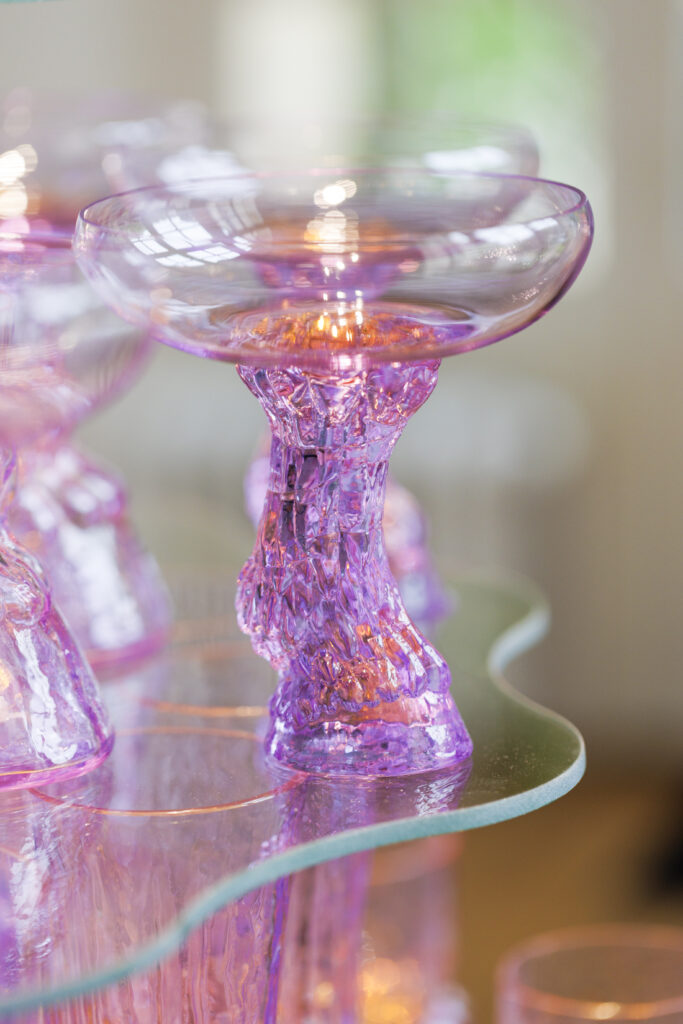
For “Blazing Grace,” artist and curator Markus Emilsson wanted to reconsider this legacy and propose a new aesthetic language being developed by contemporary Swedish glass artists. The passion for craftsmanship remains, but the recent revival of glass art has brought with it a new vibrancy, and a bold, unconstrained and slightly punk attitude. Sweden’s glassmaking traditions go back centuries, with the first factory, Kosta, established in 1742, followed by many more. Kosta is one of the few remaining factories today, with most of them, particularly in the south-eastern region of Småland, the ‘Kingdom of Crystal’ having closed. But while the industry has diminished, much of the infrastructure and knowledge has remained, leading to a recent boom in independent artists who have been able to access furnaces and assistants, as well as affordable studio spaces, to make their work. This has led to new expressions and narratives in glass art, along with new techniques and objects – both artistic and utilitarian. This is the basis for Emilsson’s exhibition, to present five contemporary artists who have helped establish this new movement.
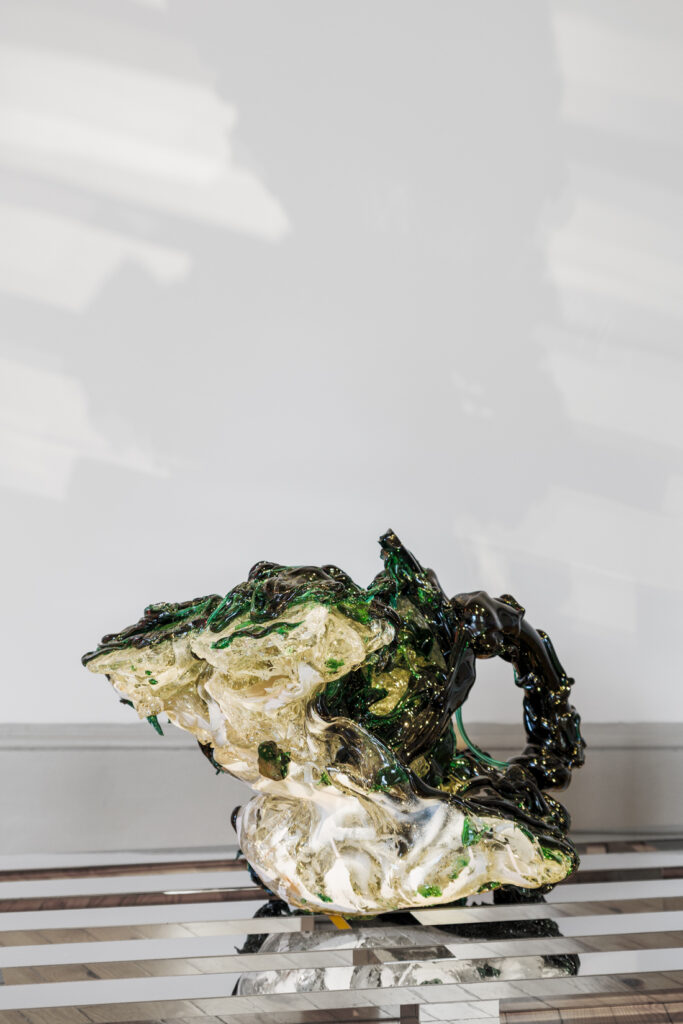
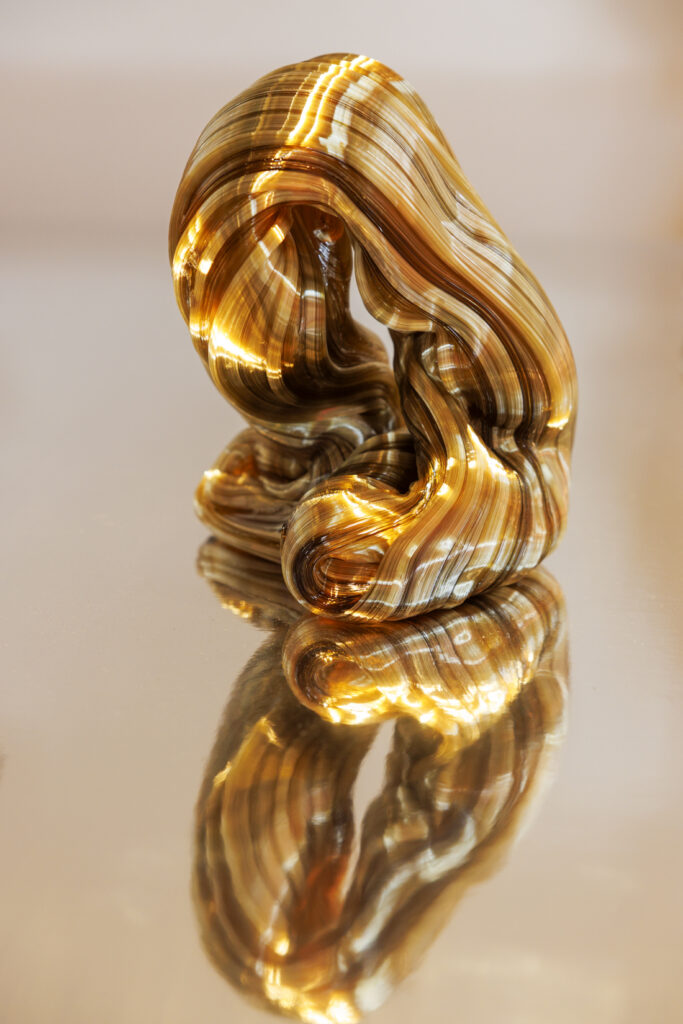
The artists included are: Maria Bang Espersen (born in 1981), who developed her own method that involves repeatedly stretching and folding the glass, which leads to air being trapped in between the glass strands, making it opaque and with a slightly metallic sheen. She finishes her work by shaping the glass by hand, twisting and turning it to create unexpected pulled shapes and forms; Hanna Hansdottir (born 1984), lives and works in the ‘Kingdom of Crystal’. Her bold, bulbous and baroque sculptural vessels are made by welding thin sheets of iron together to build moulds with complex patterns that allow the glass to expand partially freely; Peter Hermansson (born 1975), has been working on developing the traditional Swedish Graal process, a very complex process which stems from the early 20th century Orresfors glassworks factory. Hermansson’s surrealist style explores the inner conflicts of human beings and his work seems to merge painting and sculpture into something very unique; Fredrik Nielsen (born 1977) is considered one of the leading innovators in contemporary glass art. His technique involves glass as a material, glue and canvas; often old glass sculptures are reheated and integrated into new work as well. There is a brash, punk-like aesthetic to his work, a raw energy that moves throughout each piece; Kristen Vikingstad Hermansson (born 1988) creates dynamic abstract sculptures that reinterpret classic glassmaking techniques. Her works are inspired by reflections on the concepts of power and ownership, often symbolised by architectural elements such as the tower or the ring.
“Blazing Grace” is on view at the Swedish Institute in Paris through September 21, 2025.
For more information visit:

Articles you also might like
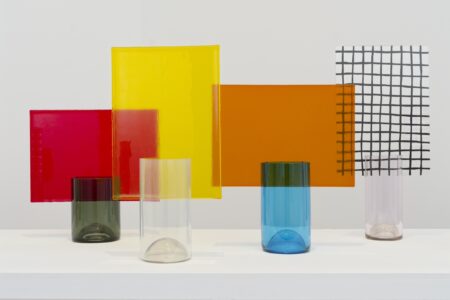
Running from November 8, 2025 to March 15, 2026, Glass: Transcending Matter. The Cirva Collections at the Musée d’Art Moderne et Contemporain de Saint-Étienne Métropole (MAMC+) offers an ambitious presentation of Cirva’s collections to date. The exhibition draws a rich dialogue between design, visual arts, and scientific inquiry through the singular lens of glass.
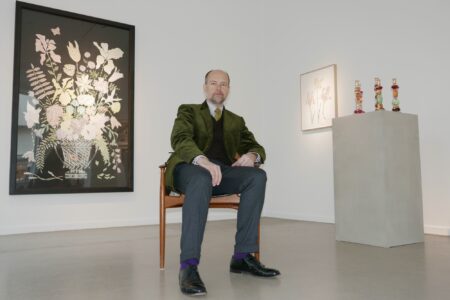
Carling Dalenson Gallery recent presented an exhibition of watercolour collages and sculptural candleholders by Swedish artist Lars Nilsson in their Stockholm gallery. The exhibition was on view between November 19-December 17, 2025.
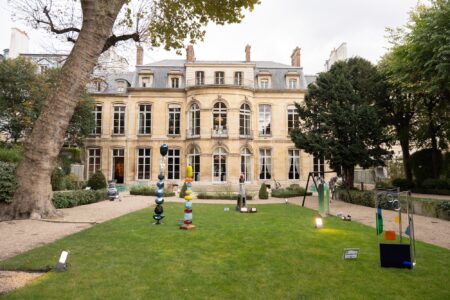
Featuring 23 French and international galleries, the inaugural Ceramic Art Fair takes places this week, between October 21-25, at the Maison de l’Amérique latine, including installations in the building’s elegant garden.
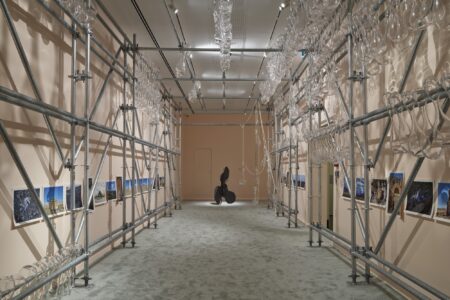
At Istanbul’s Pera Museum, Swedish artist Åsa Jungnelius presents A Verse Written with Earth, Fire, Water, and Air, an exhibition curated by Elif Kamişli. Known for her boundary-pushing glass works and feminist approach to craft, Jungnelius invites visitors to experience matter as both medium and message — where glass breathes, marble listens, and obsidian remembers.