

Beauty Must Shake Us Up: Fondazione Dries van Noten
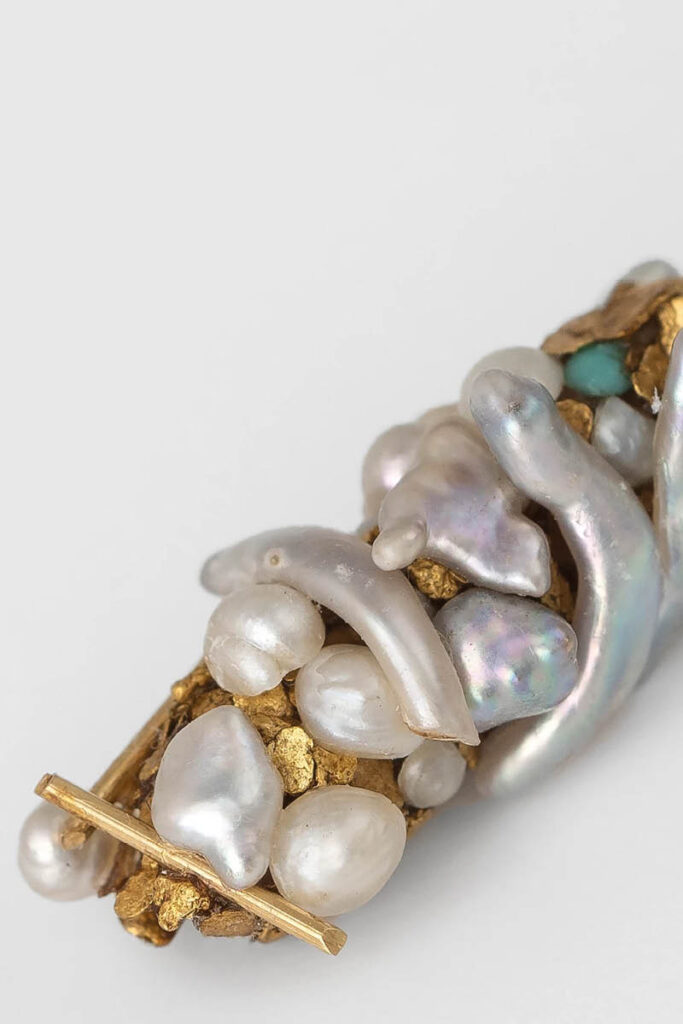
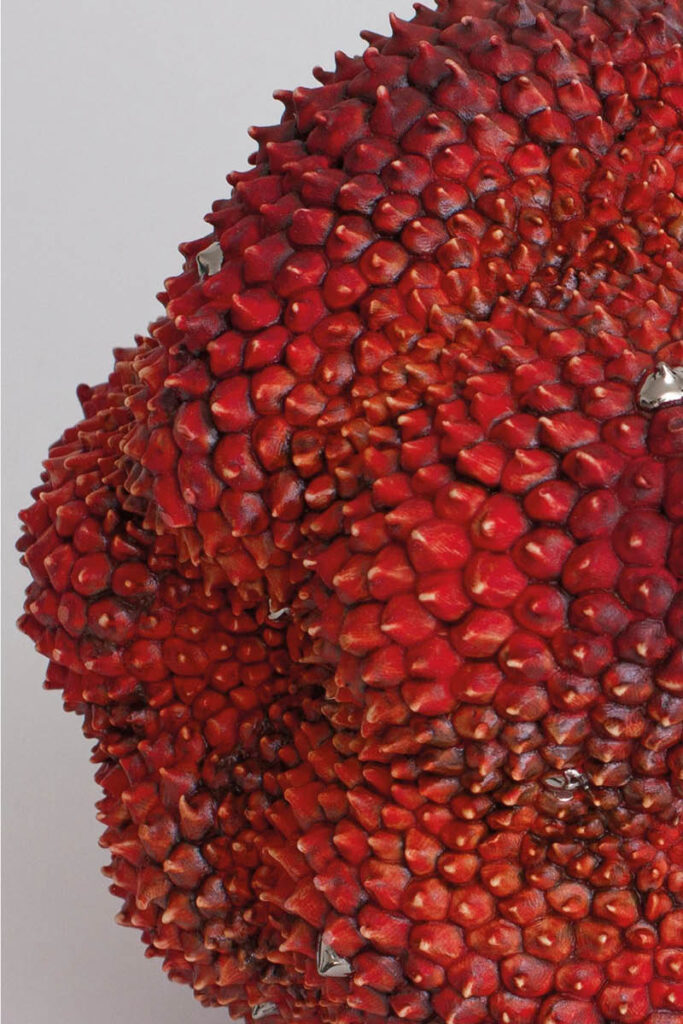
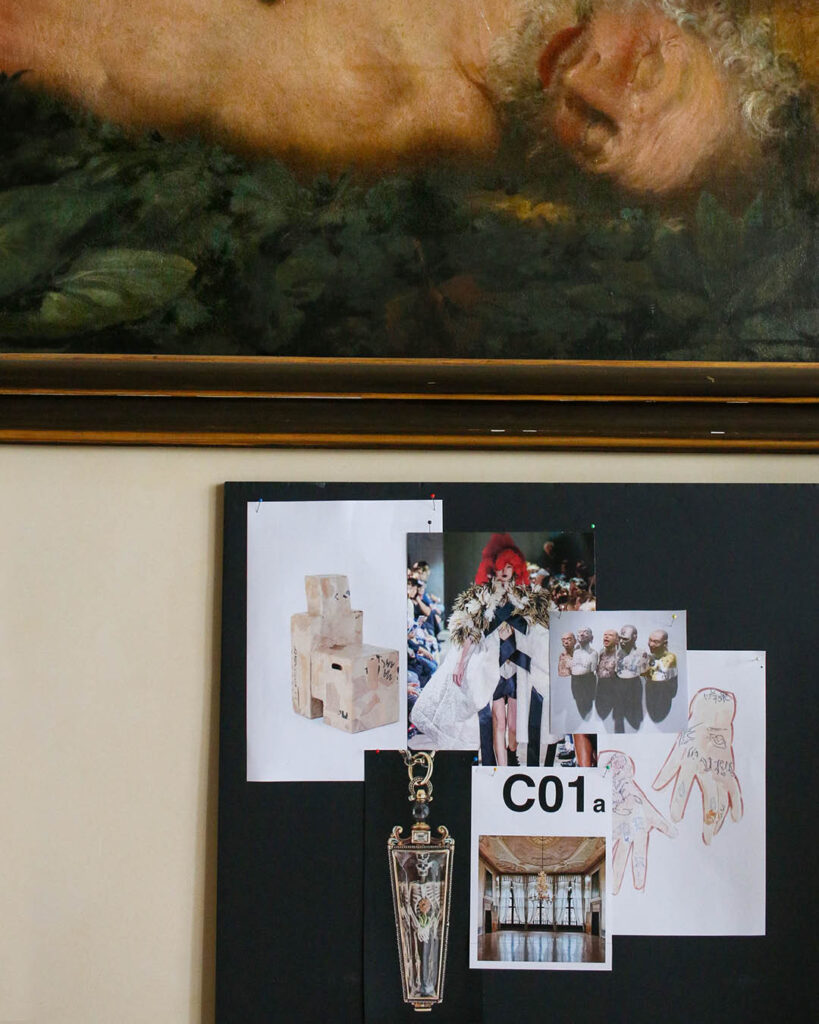
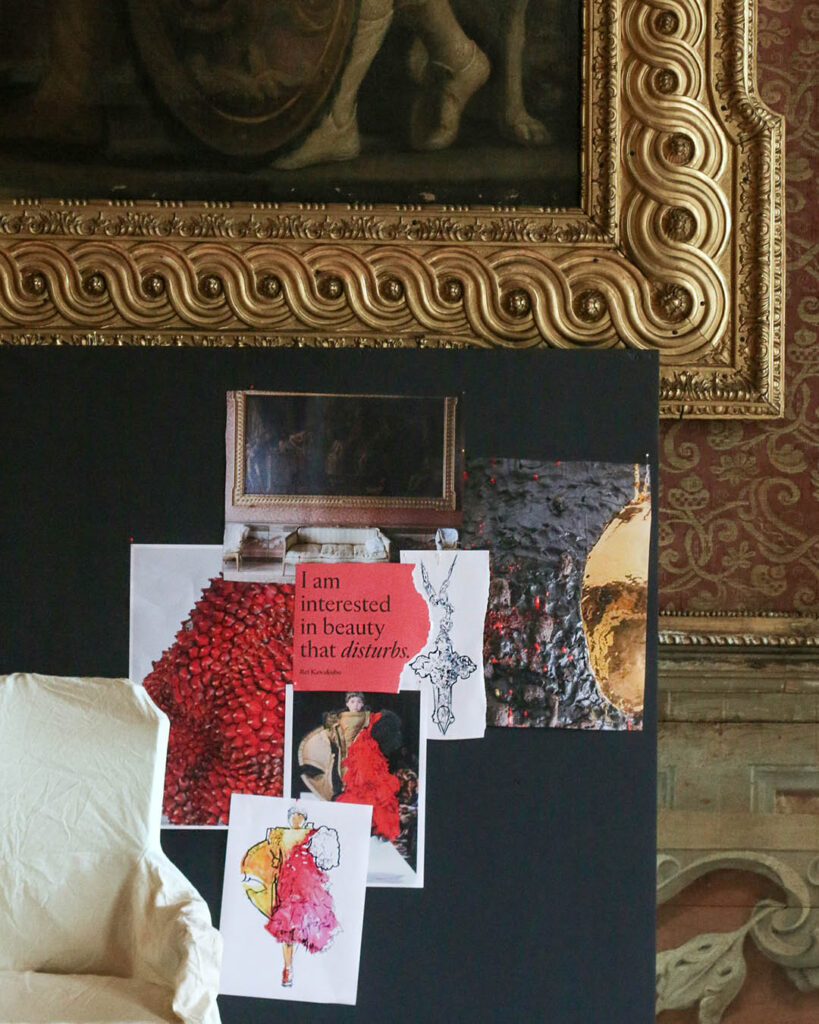
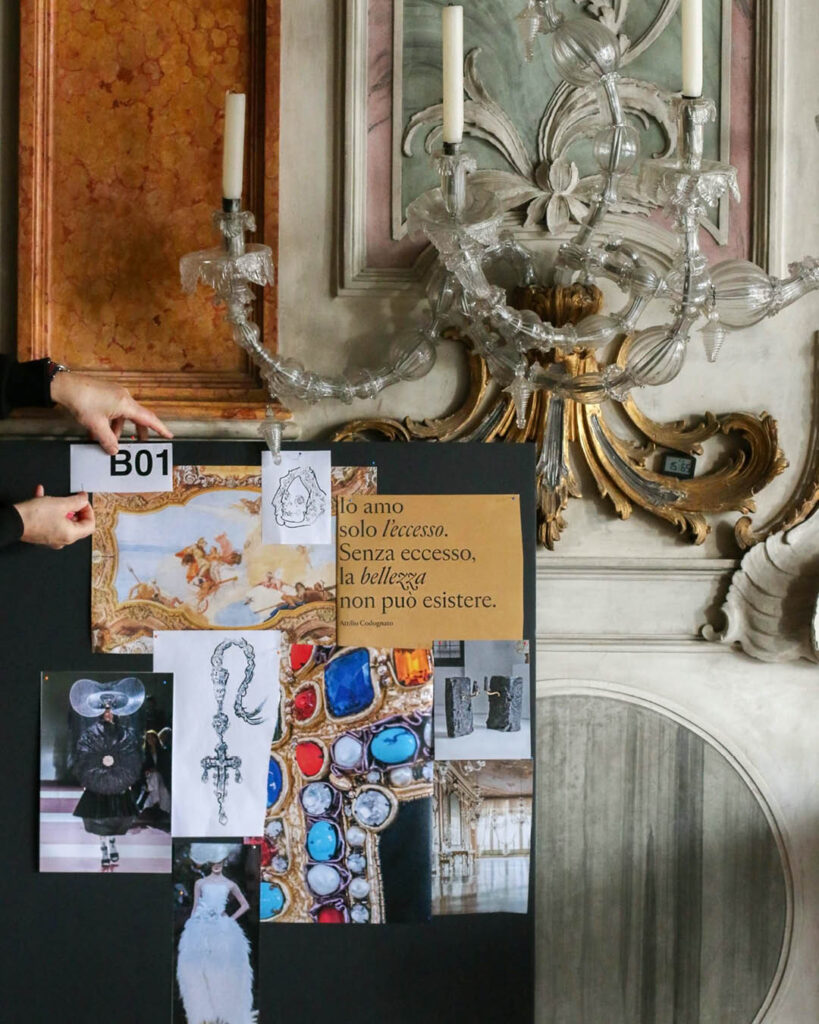
The Fondazione Dries Van Noten opens its inaugural exhibition “The Only True Protest is Beauty”, on April 25th. Curated by Dries Van Noten with Geert Bruloot, the presentation explores craftsmanship as a language of expression and a conduit for emotion. Marie Honnay spoke to the designer ahead of the event.
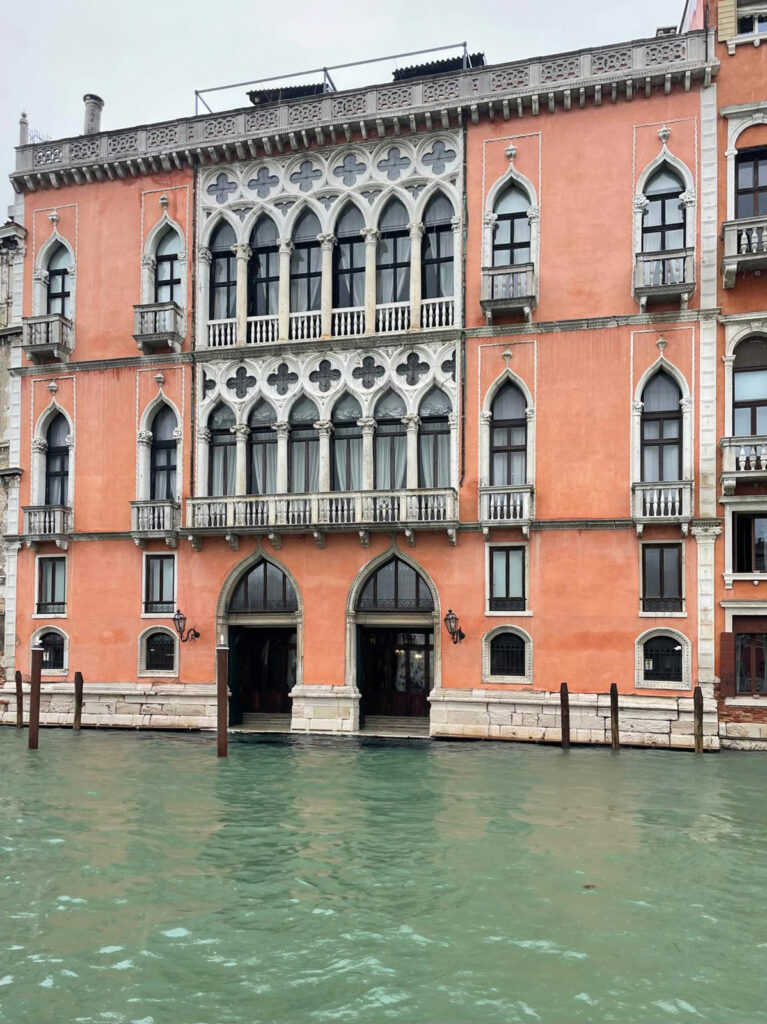
In anticipation of the exhibition he will orchestrate this coming April at the heart of the Palazzo Pisani Moretta — a historic building overlooking the Grand Canal that he recently acquired — Dries van Noten, the proud founder of the Foundation that bears his name, granted us a lengthy interview. An opportunity to highlight his vision of craftsmanship elevated to the status of a cultural language, as well as his desire to bring art and craft together in a single dynamic, and to foster exchange between art, design, fashion, architecture, and gastronomy.
Marie Honnay: The acquisition of a Venetian palace immediately opens a dialogue with history. How did you approach this architecture — as a structure to preserve, to reveal, or to reinterpret?
Dries van Noten: It all began with a coup de foudre for Venice. Of course, we knew Venice the way everyone knows the city, but after spending two full weeks living in a private apartment there, we discovered its very lively character and its singular energy. A real surprise. The absence of cars, traffic lights, and bicycles in the city allows you to appreciate beauty all the more, and to think about creation in a different way.
M.H.: Purchasing a place like the Palazzo Pisani Moretta is no small thing. Would you say its aesthetic aligns with your ultimate vision of beauty?
D.V.N.: When we started looking for a space to house our future foundation, we wanted something not too large and not too heavily decorated. Then we met the owner of the Palazzo Pisani Moretta. We were immediately captivated by the way he had passionately worked for over 45 years on the restoration and preservation of this palace. Given its majesty, it wasn’t what we had imagined, but that is precisely why we thought the endeavor could be interesting. The quality of the craftsmanship gathered here is exceptional. The lightness born of this beauty is, paradoxically, neutral enough to allow us to put the palace in dialogue with everything we will present there in the future. That said, one must bear in mind that all of this is very recent. We acquired the Palazzo last July and developed the project very quickly. We are therefore still in full reflection mode. We are gradually discovering all the possibilities the building has to offer — and I’m not just talking about the spaces themselves, but also the contrasts that will emerge between the place and the things we will show there. Those differences will be an integral part of the narrative.
M.H.: Your work has always been marked by layering — of fabrics, cultures, and references. Did the palace, with its successive layers of memory, strike you as a natural metaphor for your own aesthetic language?
D.V.N.: I have always loved layering things that appear very different from one another. In my view, neutrality often flirts with boredom. In my previous career, I passionately combined elements that others might have found strange or meaningless.
M.H.: In creating a foundation, do you feel you are moving from an act of creation to an act of preservation — or do you see preservation itself as a creative act?
D.V.N.: I see this new adventure as an act of creation. Even when we talk about restoration — whether it involves pure technique or purely aesthetic choices — creativity is required. I also want to bring together different approaches in order to keep surprising people. As a fashion designer, the notion of surprise was always central to my work. I was known for my work with colour. At a certain point in my career, I therefore found it interesting to present an entirely black collection — to show that even in this way, one can create a certain illusion of colour.
M.H.: This project is an entirely new venture for you. What do you expect from it?
D.V.N.: I have an incredible thirst for discovery, and above all I know I am going to learn an enormous amount. This learning process helps me stay young. For this project, as in my previous career, I have always been surrounded by young people who, because they look at the world through different eyes, challenge my ideas. This approach is not incompatible — quite the contrary — with a fierce desire to respect the past and our heritage. Within this foundation, that will include young artists and craftspeople, among them emerging talents from the Venetian scene.
M.H.: Venice is a city built on water — on a form of permanent instability. Does this tension between fragility and permanence resonate with your own journey?
D.V.N.: Venice’s appeal rests on its rich history, but also on the fact that it is a city open to the world. It is a city driven by the force of the Biennale and the prestigious galleries based there, but also by the energy of the many satellite projects of which we are now a part. The balance between the two fascinates me greatly. I don’t want to close any doors. That means continuing to explore the world in search of talents we can bring to Venice. The foundation can play many roles. It is up to us to identify the needs — whether that means collaborating with art schools or with new galleries. Alongside the major exhibitions we will organize here, we will offer more intimate events around gastronomy and music. Both at the palazzo and in our second space, the blurring of genres is at the heart of the project. What interests me is also highlighting the many similarities that unite art and craft — two concepts that have always been kept distinct. A beautiful piece of glass is fascinating, but drinking a delicious wine from that same glass heightens the emotion. The same goes for a vase when it is filled with lovely flowers.
M.H.: Do you see this project as a space where your vision can continue to evolve outside the rhythm of fashion?
D.V.N.: Fashion is indeed a race. You must create at least four collections a year. This new relationship with time is a something that I am in the process of discovering. It’s very exciting. Simply walking through Venice or strolling along the Grand Canal changes your perception of things, and of time passing. I know this may sound naïve, but I am convinced that this city has a positive impact on people.
M.H.: Your dialogue with contemporary art has always been intuitive rather than theoretical. Will the foundation be guided by this same approach?
D.V.N.: Intuition and spontaneity are part of who I am. They influence the way I live and work. I also believe strongly in the notion of coincidence. Some people believe it doesn’t exist. I disagree. When I was developing my collections, it would sometimes happen that, faced with a silhouette I had just created and didn’t like, I would ask the model to put the trousers under the skirt, for instance. Suddenly, a combination I had never thought of before would reveal itself to me. Proof that one must always keep one’s eyes wide open.
M.H.: How did you conceive this first exhibition?
D.V.N.: I started from artwork I had loved for a very long time. Because they provoke very different emotions depending on who is looking at them, these images interest me particularly. Discovering how the public will perceive them is very exciting. For this first presentation, I wanted to offer a summary of everything the word “creativity” can encompass. We will show the work of established designers represented by prestigious galleries, as well as emerging talents.
M.H.: Which works or artists have durably altered your vision of beauty?
D.V.N.: The word “beauty” can sometimes seem saccharine or dull. What interests me is pushing the boundaries of what we typically call “beautiful.” Beauty is both a personal and a universal notion that, strangely, people are often afraid to discuss. When it comes to beauty, I don’t think there is any magic formula. With this foundation, I want to challenge myself, question myself, and take risks — but also prove to the young people whose work we will be showing that one can not only create beautiful things, but also make a living from doing so. Many existing projects — such as Homo Faber or the Venice Conservatory of Music — have already contacted us to build bridges between their work and ours. An encouragement to move forward.
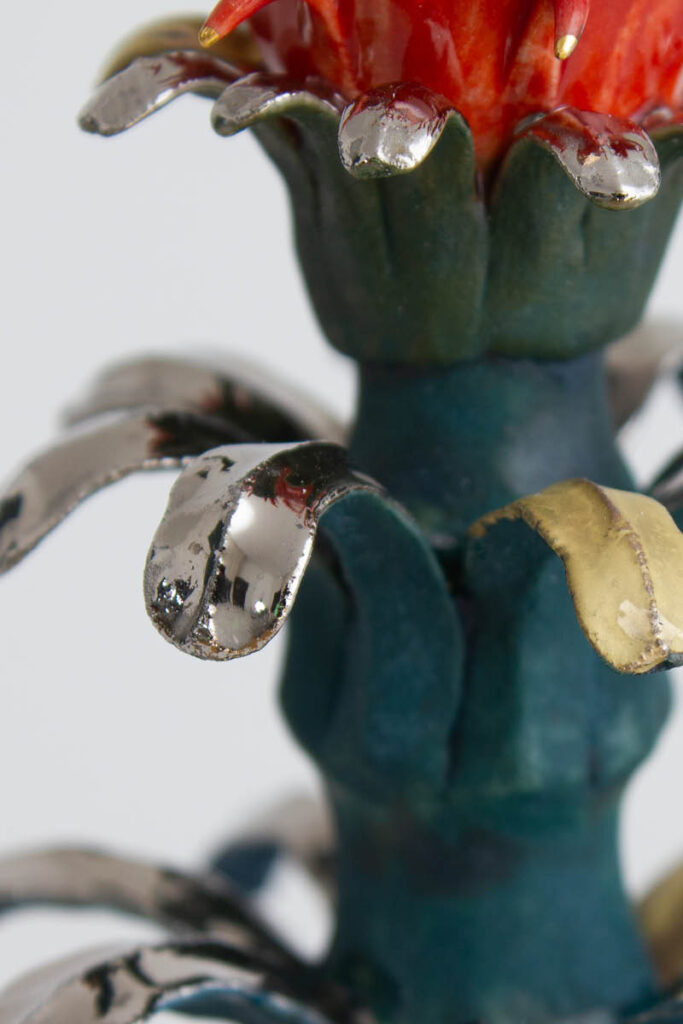
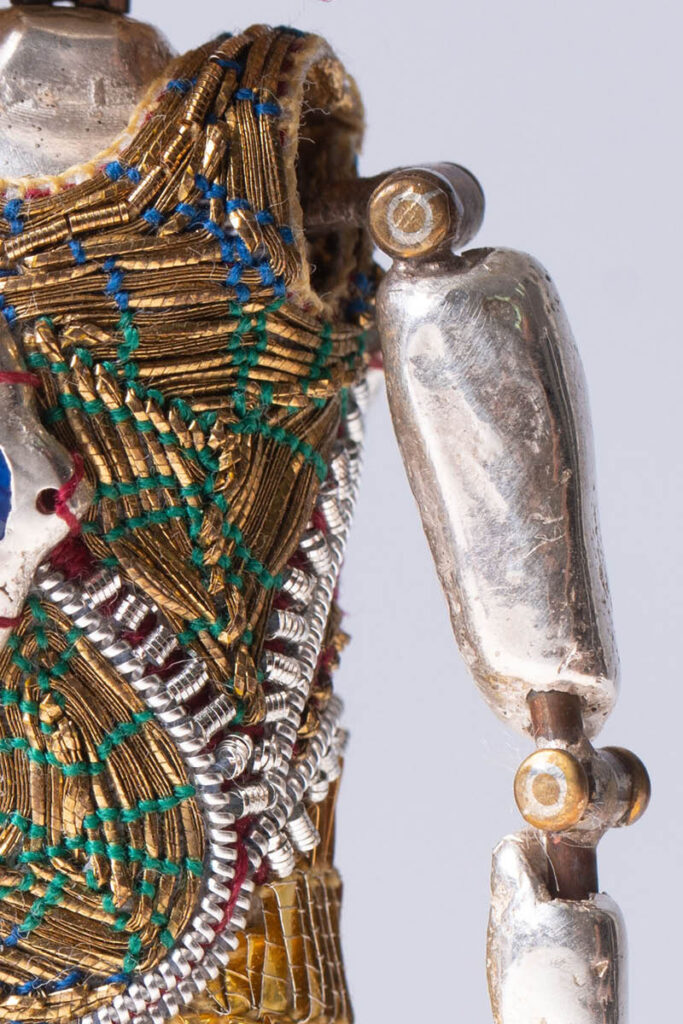
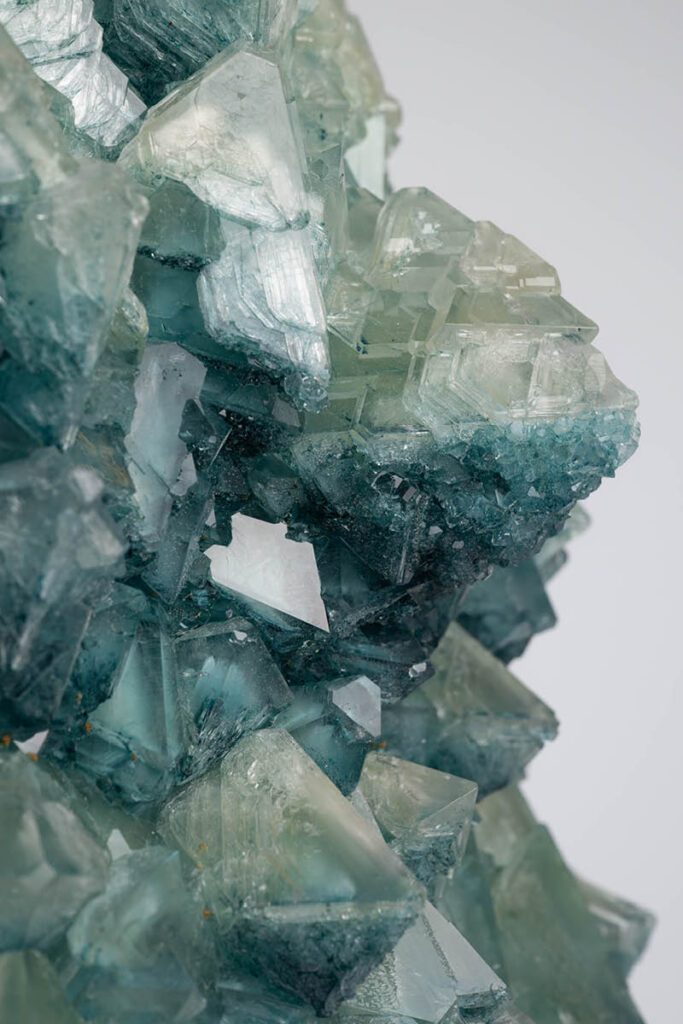
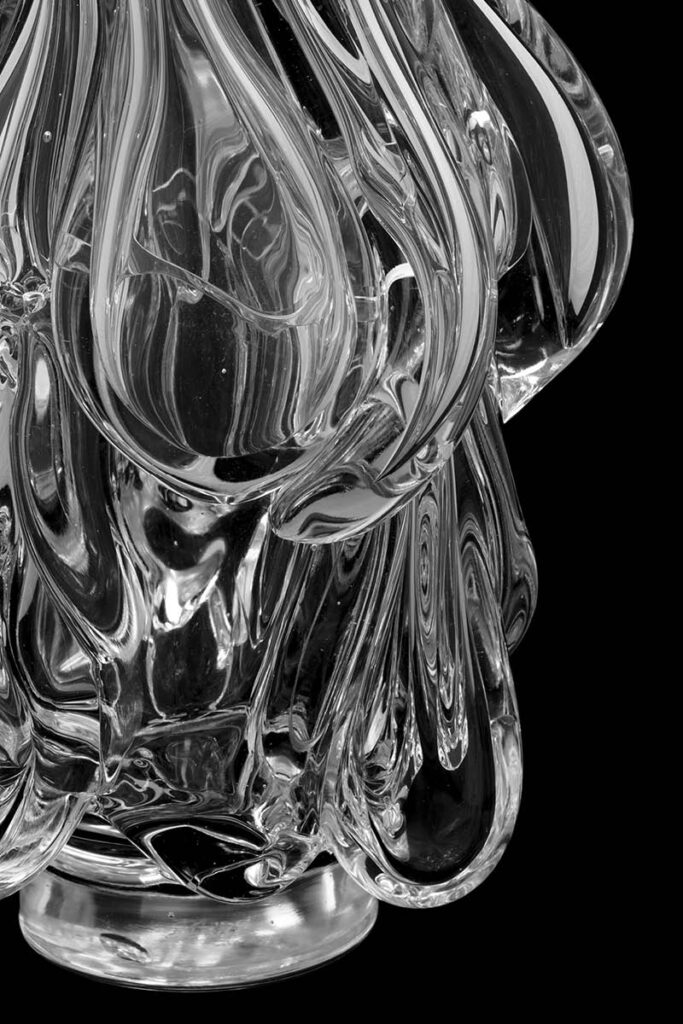
The Only True Protest is Beauty — a presentation of 200 artworks, objects, and archival pieces (fashion silhouettes, textile art, photography, collectible design…) — on view from 25 April to 4 October 2026 at Palazzo Pisani Moretta, San Polo 2766, Venice.
fondazionedriesvannoten.org
@fondazionedriesvannoten

Articles you also might like
From February 12-15, NOMAD design fair returns to St. Moritz for its ninth edition, transforming the recently renovated Villa Beaulieu—formerly Klinik Gut—into an intimate showcase for contemporary art, collectible design, and jewellery.
Dries Van Noten and Patrick Vangheluwe to open the Fondazione Dries Van Noten, a cultural non-profit dedicated to craftsmanship in Venice.
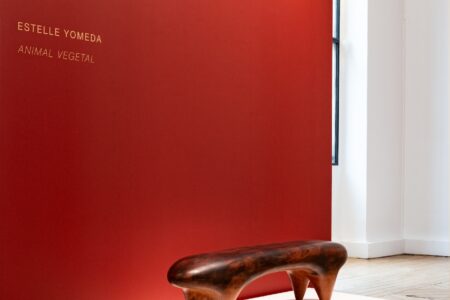
From November 6, 2025 – January 17, 2025, Galerie Maria Wettegren presents Animal Vegetal, a solo exhibition of work by Estelle Yomeda. The Paris-based designer presents a series of sculptural furniture designed and handmade in collaboration with craftsmen in Togo, West Africa.
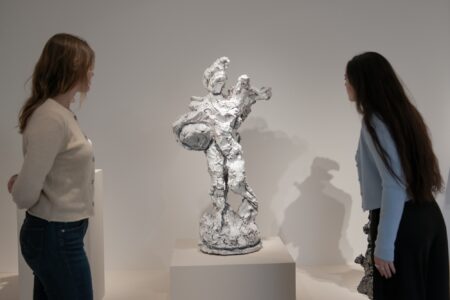
Manu-Facture: The Ceramics of Lucio Fontana, at the Peggy Guggenheim Collection in Venice, is a groundbreaking exhibition that reveals a lesser-known side of the artist. The exhibition presents over seventy experimental ceramic works that fuse art, craft, and design.