

INDIA
A 16th-century Portuguese palace becomes a stage for contemporary Indian art with the exhibition INDIA, on view at the Palácio Duques de Cadaval in Évora, from June 20 to October 25, 2026.
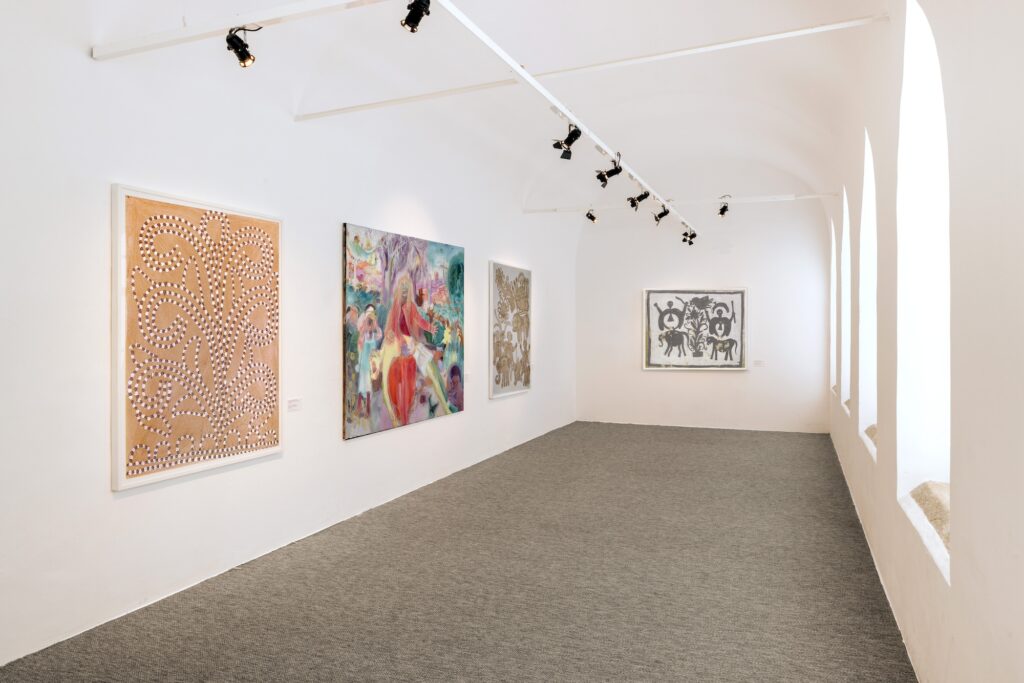
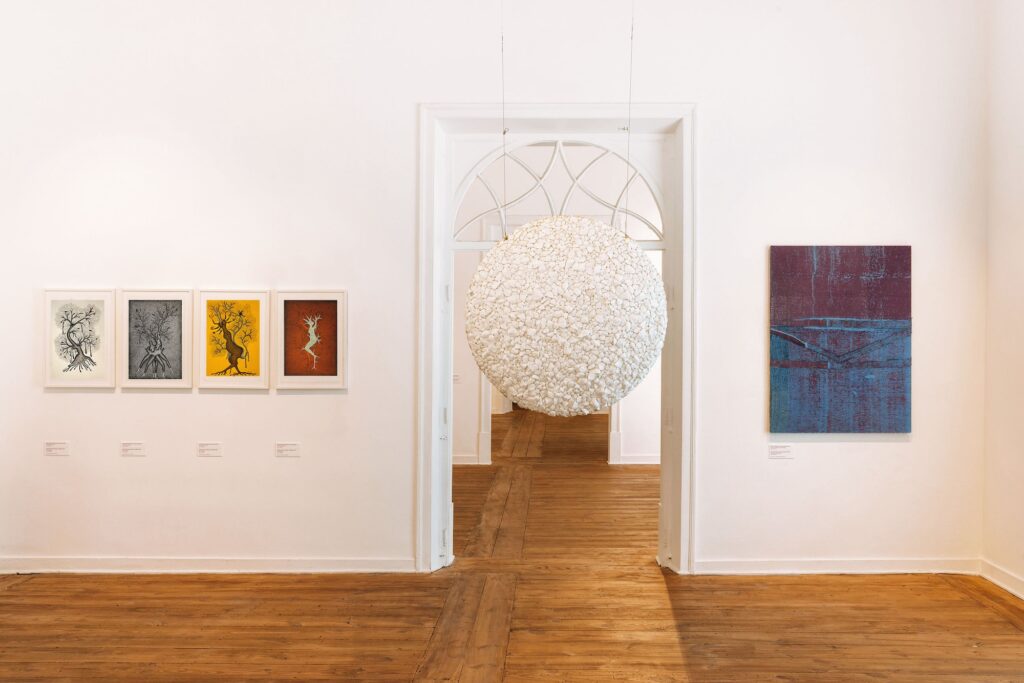
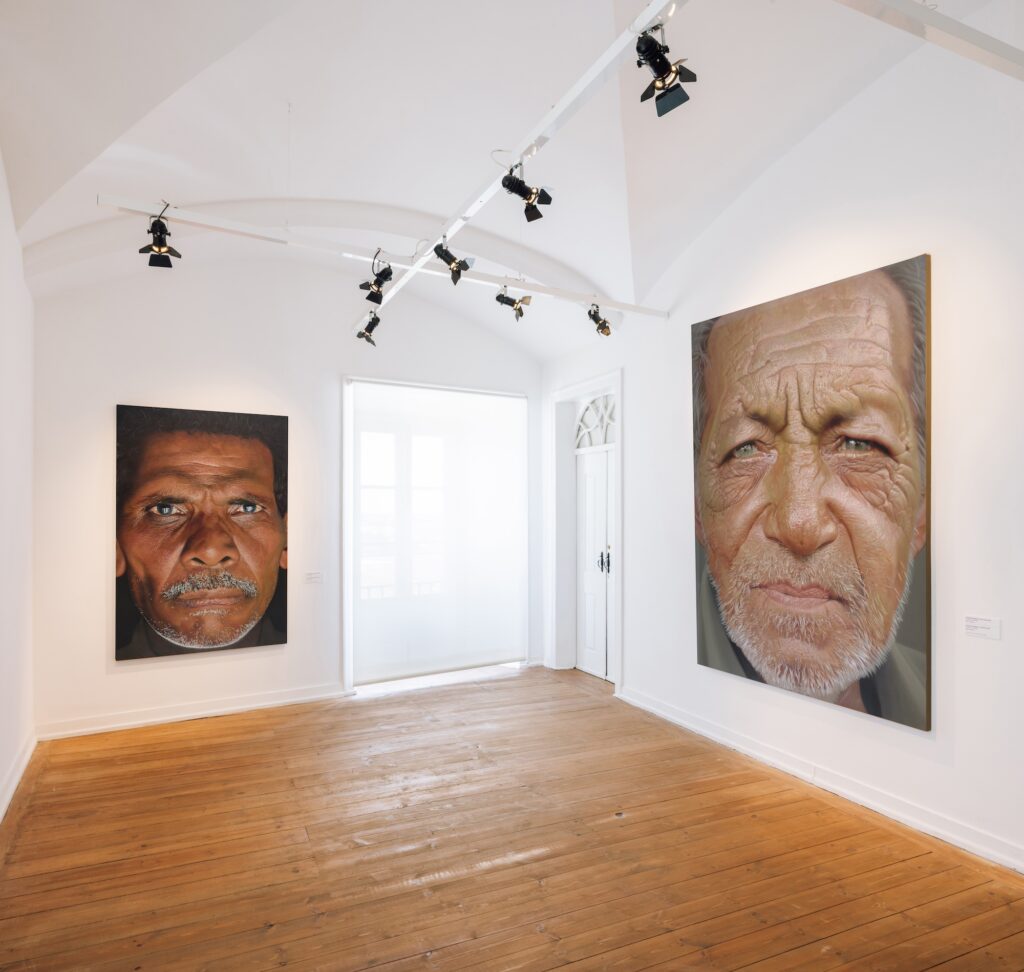
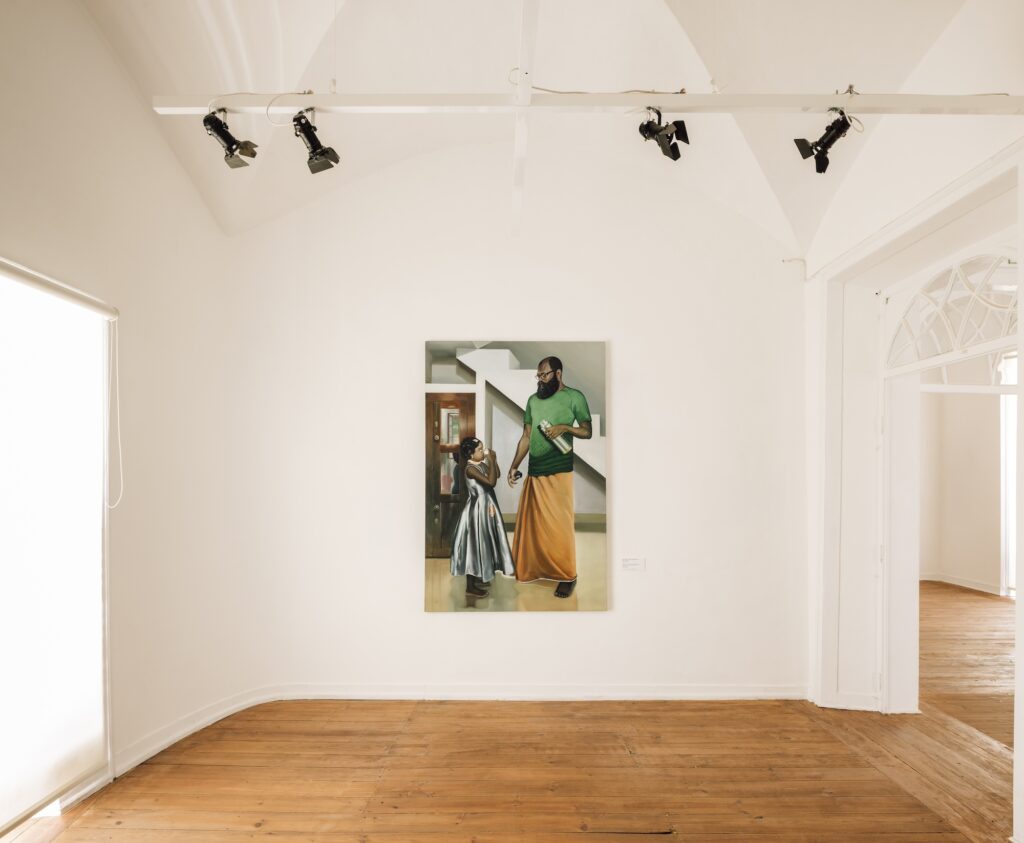
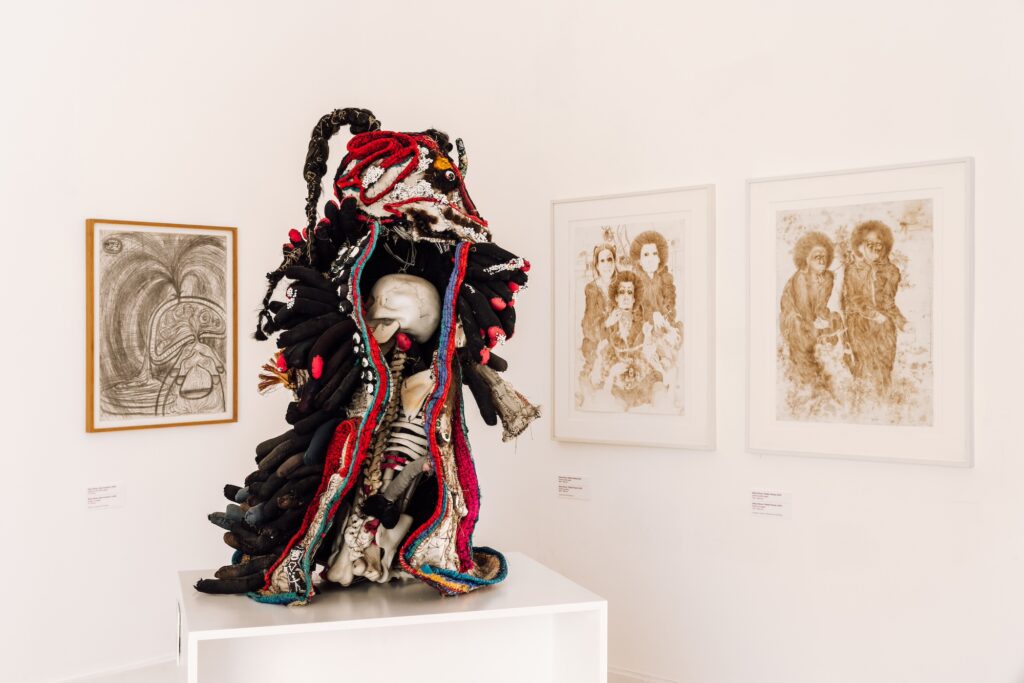
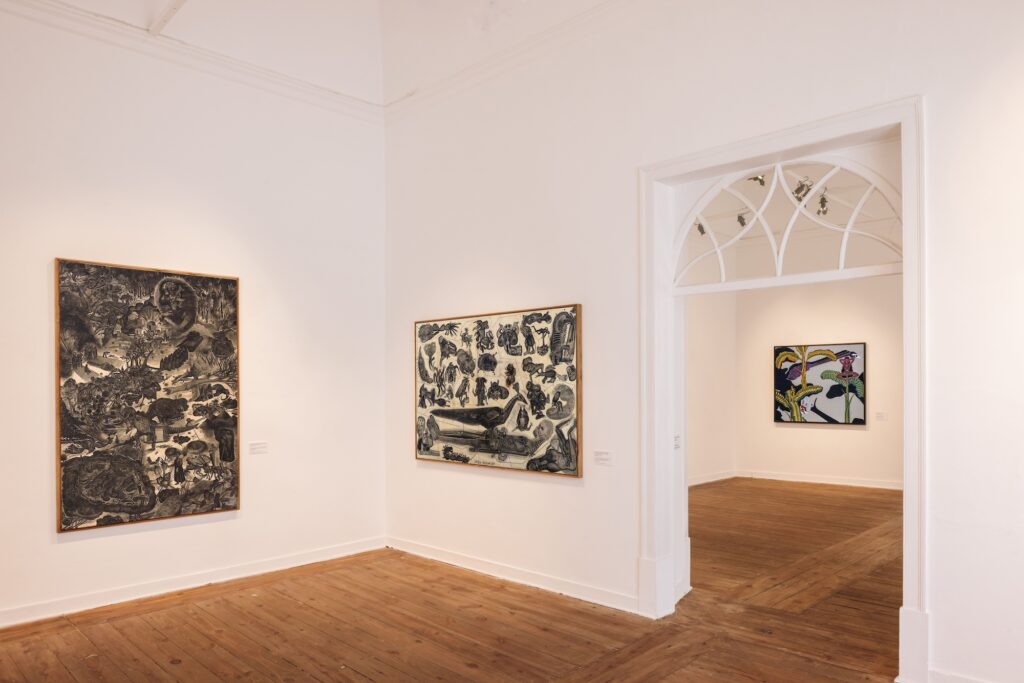
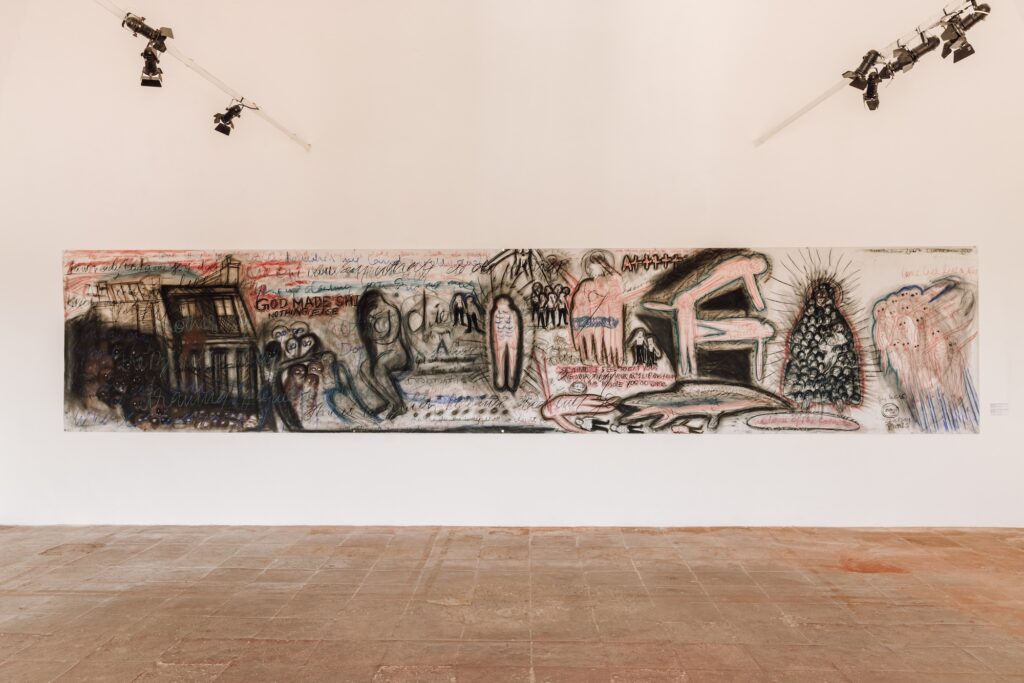
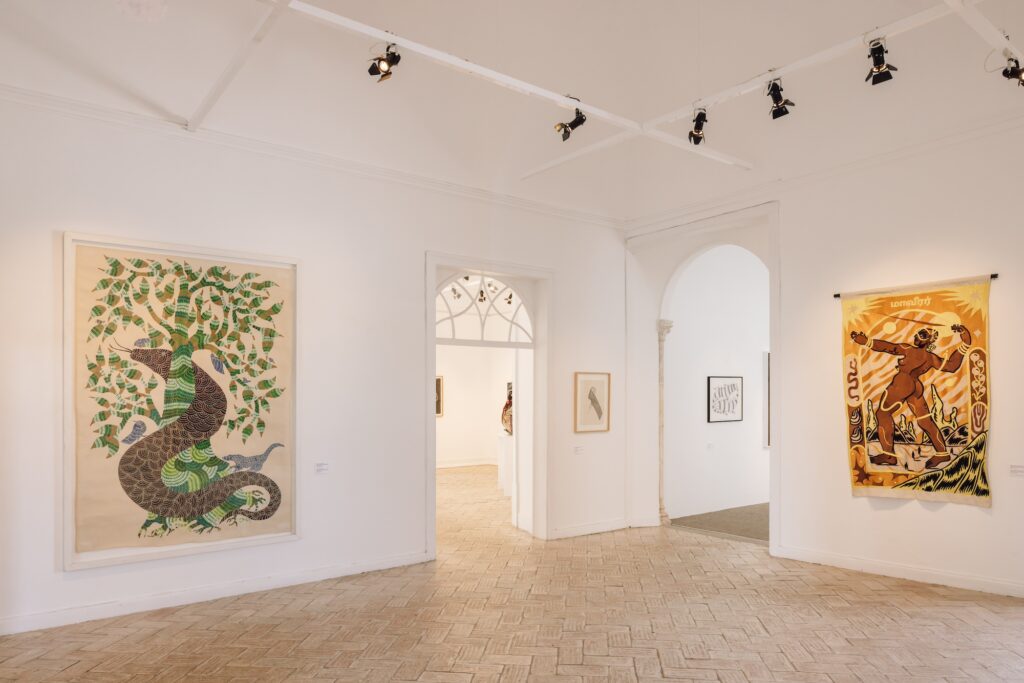
This summer, the Palácio Duques de Cadaval in Évora, Portugal, presents INDIA, an important exhibition that brings together more than twenty artists working across radically different visual languages — from hyperrealist portraiture to tantric abstraction to the animist-rooted paintings of India’s tribal communities. This is the first major presentation in Portugal devoted to contemporary Indian art in direct dialogue with tribal practices, and it reaffirms the Palacio’s mission of being a site for cultural inquiry and encounter.
Curated by Hervé Perdriolle — a French critic, collector, and curator who lived in India through the 1990s and has spent decades advocating for artists overlooked by mainstream institutions, the show is built around a single organizing idea: “fertilisation.” Rather than treating folk and tribal practices as a footnote to India’s fine art scene, Perdriolle stages them as equal, interlocking parts of the same contemporary moment. “India continues to surprise us with its extraordinary ability to offer us, simultaneously, the best of contemporary art from both dominant and minority cultures, global and local, urban and rural. India, like contemporary art, is plural,” states Perdriolle.
Among the highlights of the exhibition include Jangarh Singh Shyam and Jivya Soma Mashe whose work represents deep-rooted animist traditions; Parag Sonarghare’s hyperrealist portraits, reminiscent of Bollywood billboard painting, sit alongside anonymous tantric works on paper and pieces by Sosa Joseph, Chano Devi, Osheen Siva, and Siji Krishnan, whose work underscores the strong presence of women artists across both folk and contemporary Indian art. Shine Shivan and T. Venkanna round things out with an unabashed eroticism — the exhibition carries a content advisory for nudity and adult themes.
For Alexandra de Cadaval, who co-created the exhibition’s concept and has spent over two decades engaged with India’s cultural and spiritual life, the project is personal as much as curatorial. “India has always felt to me like a universe parallel to the rest of the world,” she has said, “where ancestral traditions and extreme modernity intersect with remarkable intensity.”
Bringing forth the tension between ancestral and contemporary is one of the core objectives of this exhibition. Since the 1970s and 80s, exhibitions like Magiciens de la Terre (Centre Pompidou, 1989), which was a formative exhibition and reference point for Perdriolle, have pushed the art world to reconsider who counts as a “contemporary” artist, moving tribal and vernacular practitioners out of ethnographic categorization and into the same conversation as their art school-trained peers. INDIA picks up that thread, and does so in a setting that adds its own layer of meaning: a Portuguese ducal palace, staged as a continuation of five centuries of maritime and cultural exchange between the two countries rather than a one-way Western gaze.
The exhibition moves back and forth between both worlds, with ritual objects sitting near hyperrealist canvases, meditative tantric works near erotic figuration, but that plurality is the point. As the show’s framing puts it, contemporaneity isn’t a uniform condition; it’s a plural field, shaped by multiple histories at once.
INDIA is on view Tuesday–Sunday, 10am–1pm and 2–6pm, at Palácio Duques de Cadaval, Évora, through October 25, 2026. More info at india.palaciocadaval.com.

Articles you also might like
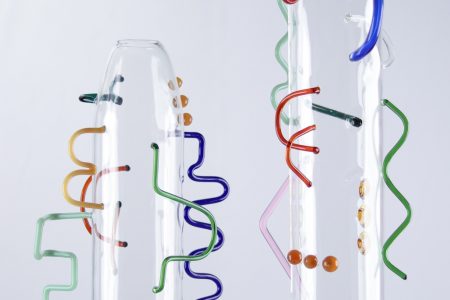
During NYC x Design week in May, Diego Olivero presented his latest project, Kaanch, a series of handmade glass vessels made in collaboration with Indian artisans based in Delhi.
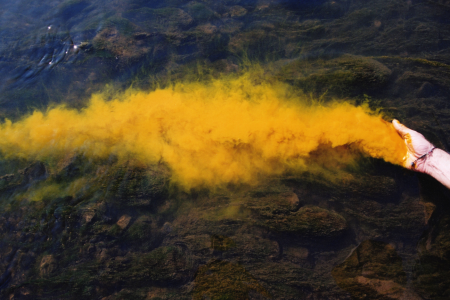
For our A/W 2020 issue, TLmag34: Precious – A Geology of Being, Herve Perdiolle writes about meeting artist Richard Long in India in the 1990s.
Franck André Jamme gives us access to sacred sanctuaries, close to the hidden core of things — to the divine roots of words themselves.
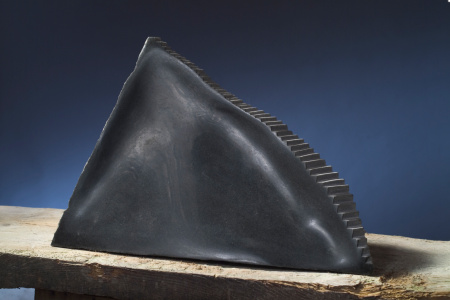
Czech storyteller and philosopher Petr Kavan invites visitors to look within themselves through his black granite and bronze statues which reflect on esoteric notions of human destiny and existence.