

Mario Testino: Through the Lens of Collecting
For TLmag 41: The Art of Collecting, Mario Testino writes about how collecting art and collaborating with contemporary artists was influential in his long career as one of the world’s top photographers. This is an edited version of the article which appeared in our 2026 print issue.
I began my career by looking at the work of others. Living in London at the time, I immersed myself in the photography of Cecil Beaton, David Bailey and Lord Snowdon, and others. Their images showed me how elegance, character, and society could be transformed into myth. As soon as I started earning money, I began buying their photographs, as well as works by English surrealists such as Madame Yevonde and Angus McBean. Collecting was not just about possession—it was a way of learning. Each print I acquired was like a masterclass in how an artist framed the world. Covent Garden, where I lived, became my classroom. I discovered a gallery showing film stills from Truffaut and French New Wave photographers. Looking at those images, I began to understand rhythm, gesture, and narrative in photography. They trained my eye to see beyond the surface of fashion and into the story that an image could carry.
As I established myself in the 1990s, my life became defined by travel. For the next thirty years, I was almost permanently in motion. At first, I collected fashion photographs, because that was the world I worked in, but soon I turned to photojournalism. I wanted to learn the urgency of the quick snap—the intuition that if you don’t press the shutter at the right instant, the moment is gone forever. Around this time, my friend Johnnie Shand Kydd suggested that I look at photography not only as a tool of documentation but as an artistic language in itself. He introduced me to Sadie Coles, who opened my eyes to a new field entirely: to photography used by artists for conceptual and aesthetic expression not limited to documentation. The first work I bought in this spirit was by Liza May Post. Her photographs were enigmatic and surreal choreographies, often resisting immediate interpretation. They demanded patience, context, and thought. That was the first time I realised that a photograph could operate as a concept, not just an image. It could provoke, unsettle, and change the way we see. This lesson stayed with me—that an image is most powerful when it challenges the viewer’s perceptions and offers unexpected interpretation.
With Sadie, I discovered a generation of artists who expanded the language of photography: Annette Kelm, Hannah Starkey, Luisa Lambri, Angus Fairhurst, among others. Collecting their work sharpened my own vocabulary. It taught me that images could function like poetry, with ambiguity and rhythm, not just clarity. Collecting also exposed me to other mediums. For years I had been shy of painting, sculpture, or installation, because I knew nothing about them. But constant travel—and the guidance of friends—eventually broke down that barrier. Cecily Brown was the first painter whose work I saw that ignited a real hunger to collect. I encountered her work at Jeffrey Deitch, in New York.
A friend warned me against it, insisting I should stay within my field of knowledge, which was photography. But my curiosity was precisely what drove me to buy. I wanted to learn through living with works I didn’t yet fully understand. From then on, the process became compulsive. Wherever I went, I visited galleries. Inevitably, I would buy. Soon my homes were overflowing, and I turned to salon-style hanging just to fit everything in. This, in turn, influenced how I presented my own exhibition at the National Portrait Gallery in 2002, in which I installed my photographs in the same dense, layered way. It was a success, breaking attendance records, and I remember thinking: not bad for a Peruvian immigrant. What fascinated me about entering the art world was the contrast it created with my own professional life. As a commercial photographer, I was always working for someone else’s needs. Creativity was essential, but always in the service of a brand, a magazine, or a client. By contrast, in the art world I encountered artists working with an enviable and exciting freedom, without those constraints. This pushed me to think about my own position differently. As my career developed, magazines began to give me more space. From six pages at the back, I moved to covers and twenty-page features.
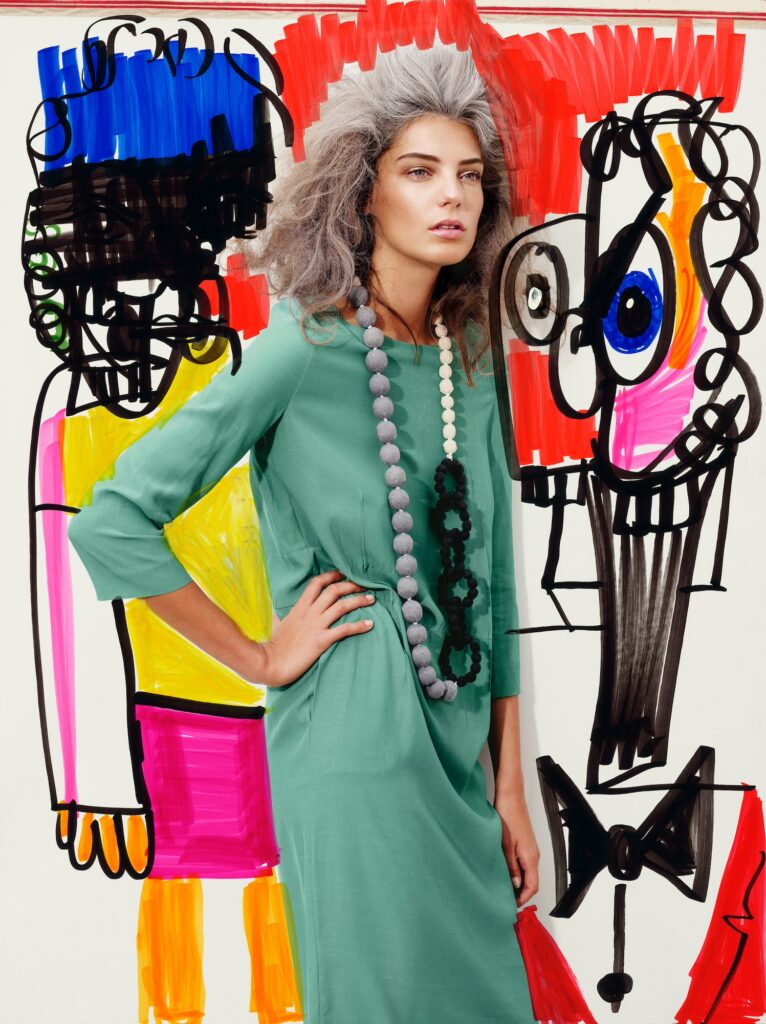
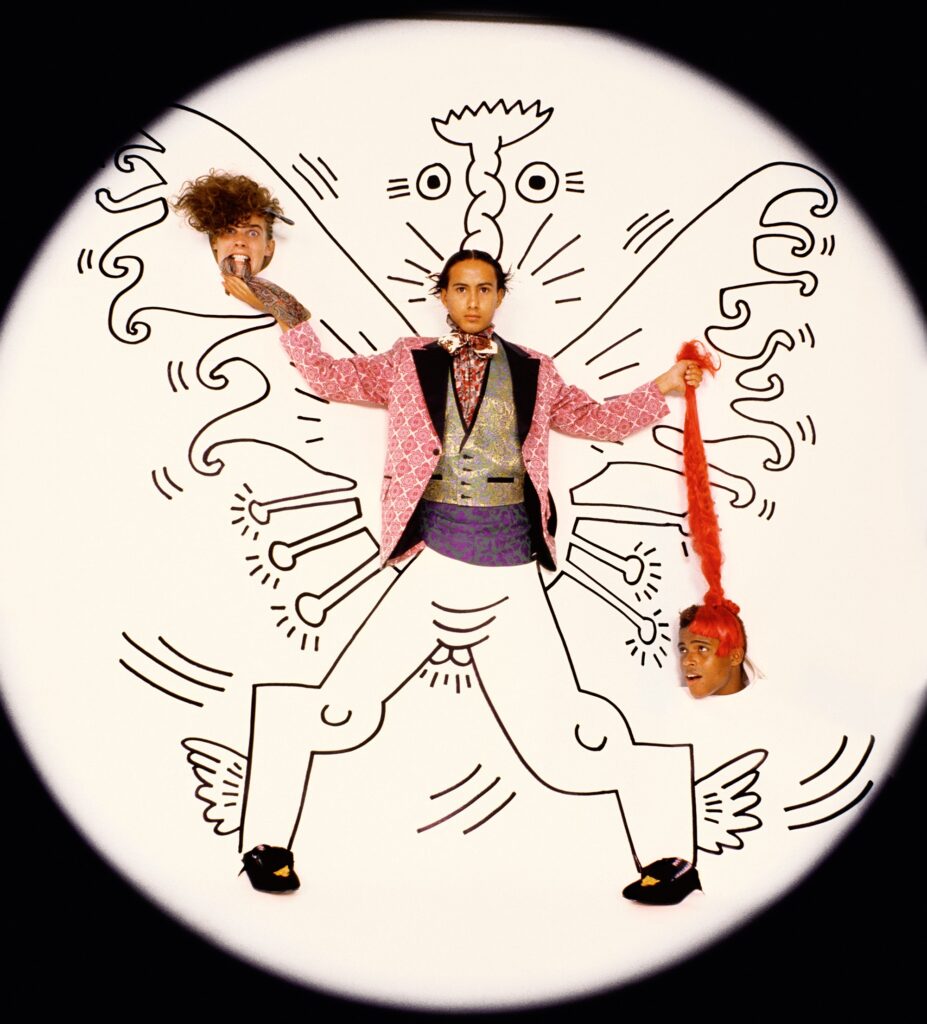
Eventually even that felt too little, and I began producing entire issues of Vogue in Japan, China, Spain, Brazil, Germany, India, and beyond. I wanted these issues to feel alive, to reflect culture in a broad sense, so I began collaborating with artists. I would give them a photograph of mine, and they could transform it however they wished. George Condo, John Currin, Beatriz Milhazes, Urs Fischer, Jenny Saville, Cecily Brown, Albert Oehlen — each collaboration taught me something new about freedom and dialogue in art. This was not entirely new for me. Back in the 1980s, for The Face magazine, I had collaborated with Keith Haring on a story inspired by Jean Cocteau. We created a figure out of paper cut-outs, and I invited models of different races to emerge through it. The work reflected my early interest in inclusion, in creating an image of unity out of difference — ideas that would return later in the series A Beautiful World. Collecting and collaboration led me naturally to curating. Gallerist Andrea Rosen invited me to organize a South American show in New York, and I drew on discoveries I had made in Brazil. For Yvon Lambert New York gallery, I recreated my London apartment, complete with fireplaces, English sockets, and salon- style walls, turning the gallery into a personal portrait. All of these experiences shaped me, but more importantly, they prepared me to step into my own projects. They gave me courage to go beyond briefs and campaigns, to ask myself: what do I want to say? I have always admired artists who shift perception, who make us look anew. Collecting taught me to recognize that quality, and to search for it in myself.
A B E A U T I F U L W O R L D
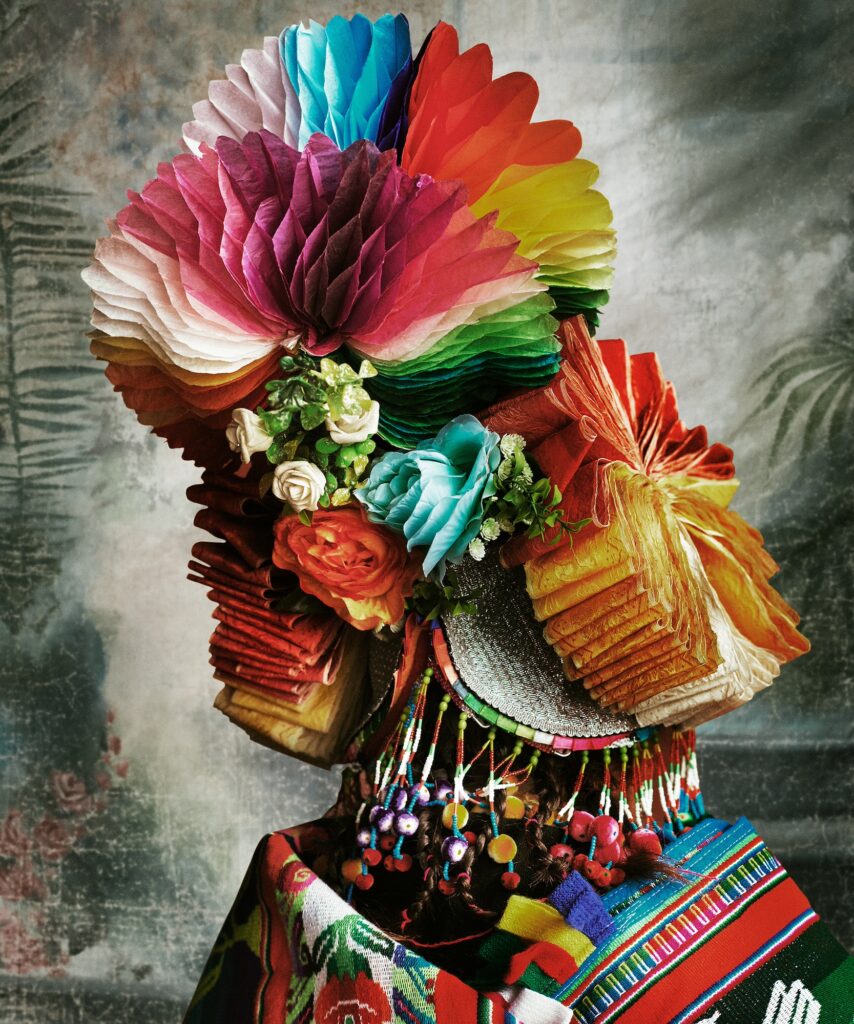
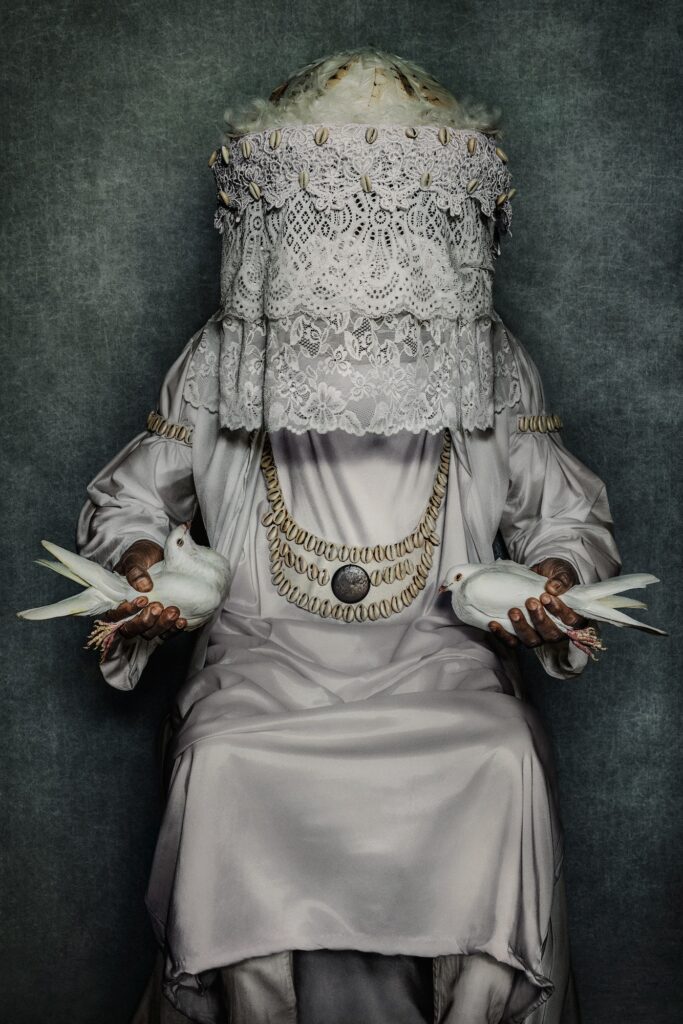
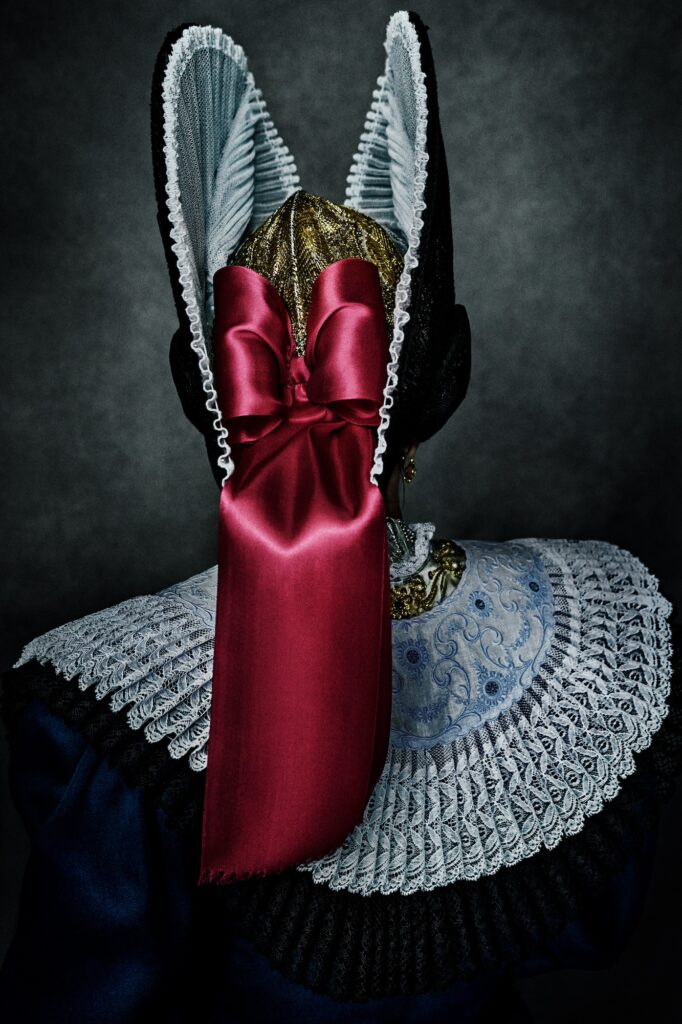
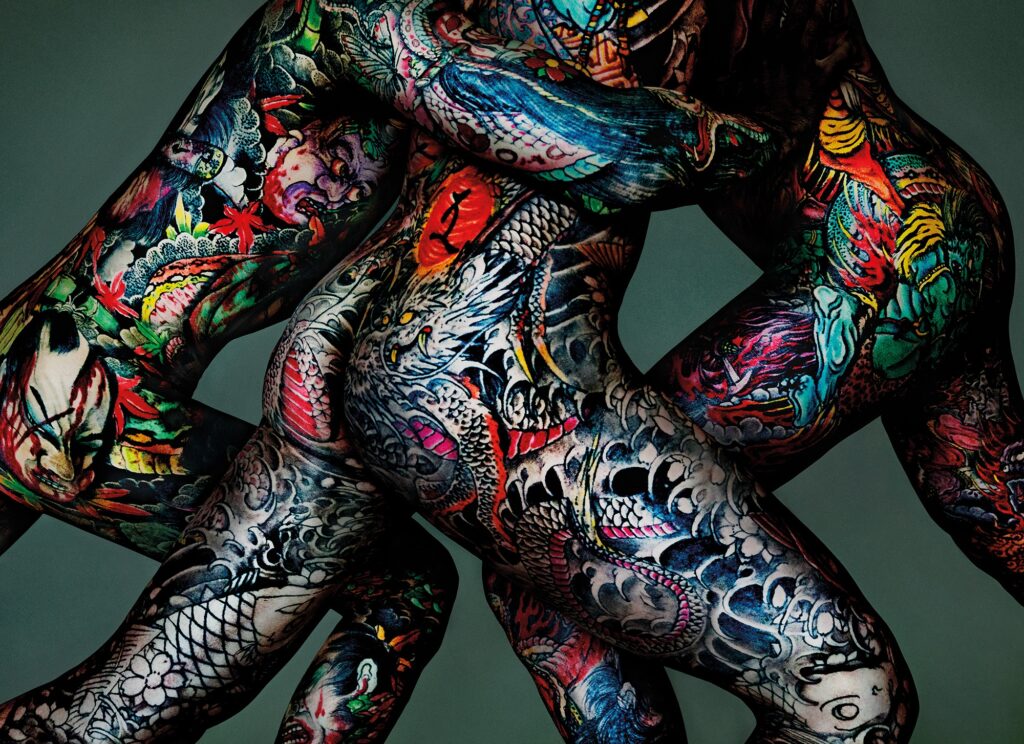
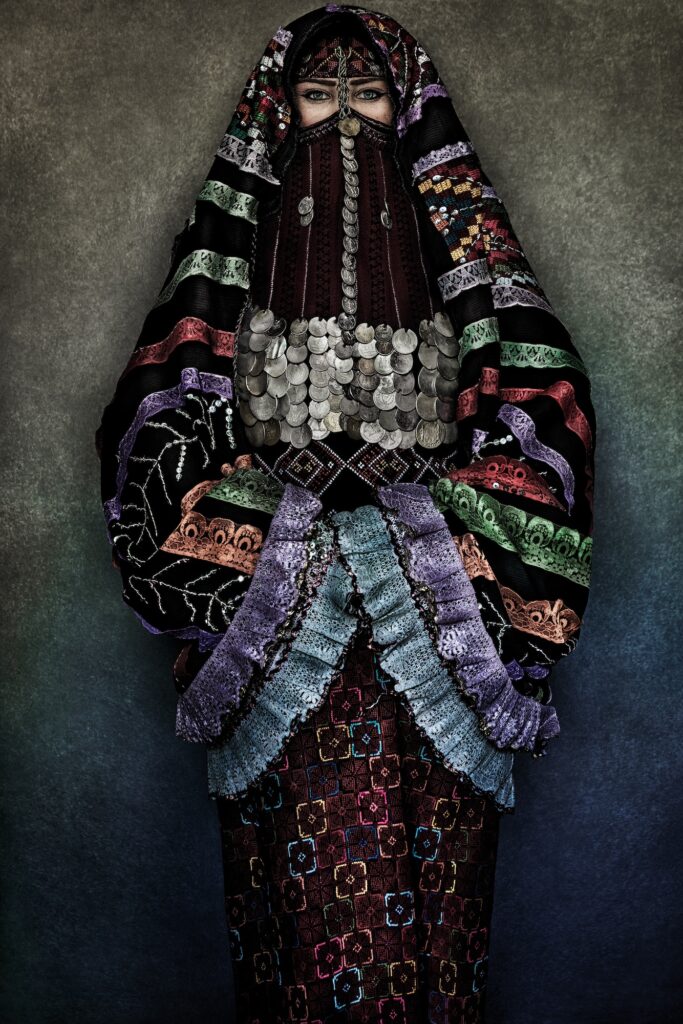
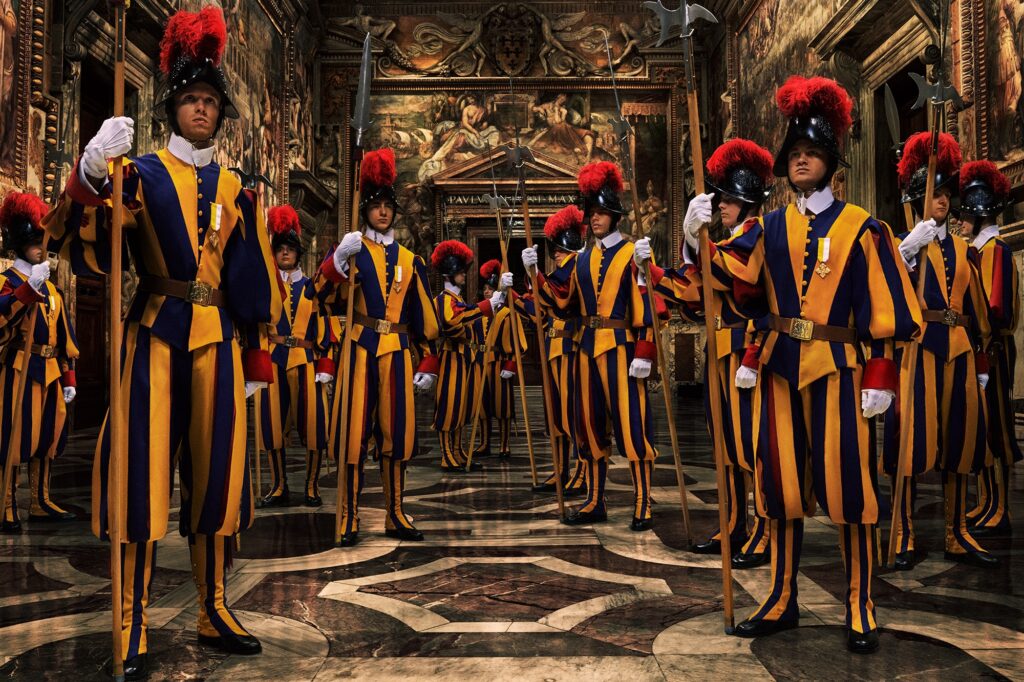
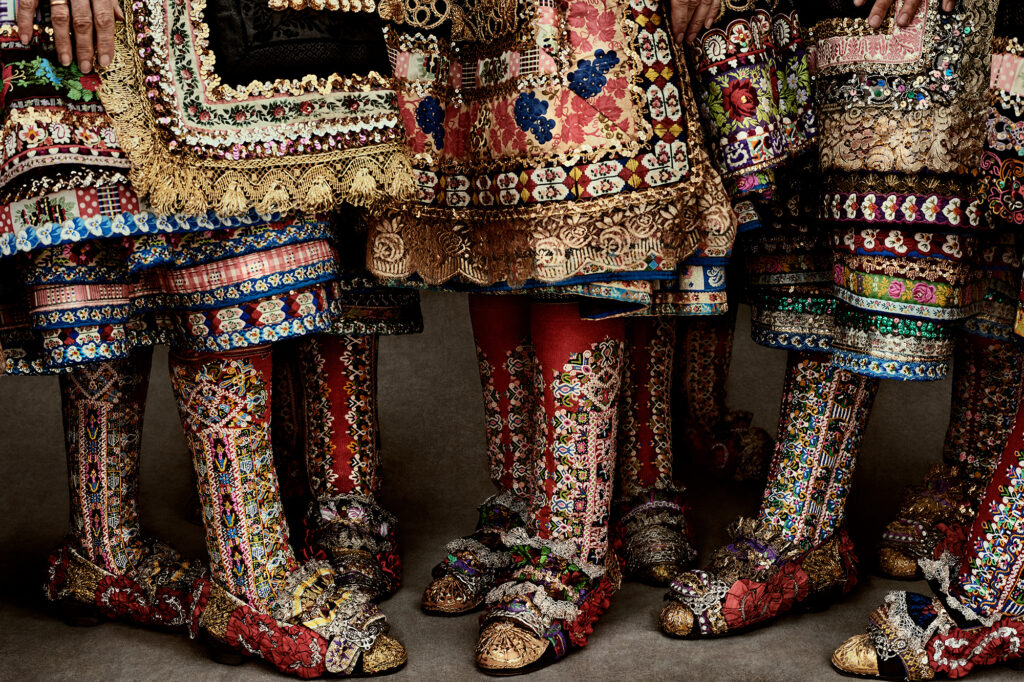
The real turning point for me came in Peru when I found an archive of traditional dress in Cuzco and I couldn’t let it go. For ten years I photographed this series, which became the collection of photos Alta Moda. At first people doubted the project. They thought, why would a fashion photographer spend his time on old costumes? But when I showed it at MATE, my museum in Lima, the reaction was overwhelming. People suddenly looked at their own traditions differently. They saw beauty, pride, identity. For me, that was one of the most moving moments of my career. That experience pushed me to think bigger. I realised that what I had found in Peru wasn’t just local—it was universal. Every country has its own way of showing identity through dress, through colour, through how people carry themselves. I wanted to capture that. That’s how A Beautiful World was born. In this project I’ve travelled to more than thirty countries, from Ethiopia to Japan, Mongolia to Brazil, photographing people in the clothes that define them. But it’s not only about the fabric or the embroidery—it’s about the pride in the way they present themselves, the energy of showing who they are. Every portrait is a story of heritage, family, memory, and imagination. I know that my years of collecting prepared me for this. Living with art taught me to look harder, to value difference, to search for originality. Collecting made me understand that an image can do more than just show beauty—it can make us rethink what we already know and open our eyes to something new. That’s exactly what I want A Beautiful World to do. For me, this project is not about nostalgia. It’s not a museum record. It’s about showing that traditions are alive, moving, transforming. Culture is not fixed—it’s something people carry with them, renew every day. That’s the language I’ve been trying to develop: photographs that don’t just show, but celebrate, that don’t just document, but connect.
The hardest part is discipline. With your own work, there’s no client, no deadline, no editor waiting. It’s only you and your vision. But that’s also what makes it exciting. A Beautiful World is not a commission, not a campaign. It’s curiosity. It’s my curiosity about people, about how we all express ourselves, and about what connects us in our differences. In the end my biggest interest is people and what defines them.
www.mariotestino.com
@mariotestino
Photo of Mario Testino by Fernanda Negrini

Articles you also might like
For TLmag41: The Art of Collecting, Simon de Pury spoke to Jean Pigozzi about his gift for throwing such legendary parties, his obsession with collecting art, most recently contemporary Japanese Art, and how he is essentially the inventor of the selfie.
Miami-based art collectors Mera and Don Rubell talk to Simon de Pury about how their love of art turned into a decades-long passion for collecting, why they still get excited about visiting artist’s studios and how collecting has become a true family affair.
For TLmag41: The Art of Collecting, Christian Levett, founder of FAMM (Femmes Artistes de la Musée de Mougins), writes about how he came to create one the largest collections of art by women artists.
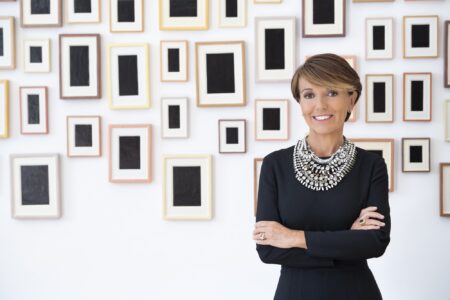
For our 2026 print issue: TLmag41: The Art of Collecting, Patrizia Sandretto Re Rebaudengo writes about her discovery of American costume jewellery over 40 years ago, sparking a passion for the jewellery as much as the history behind each piece. In 2025 she published a monograph with Taschen documenting her collection.