

Design In West Africa: Unity in Multiplicity at Palais de Lomé
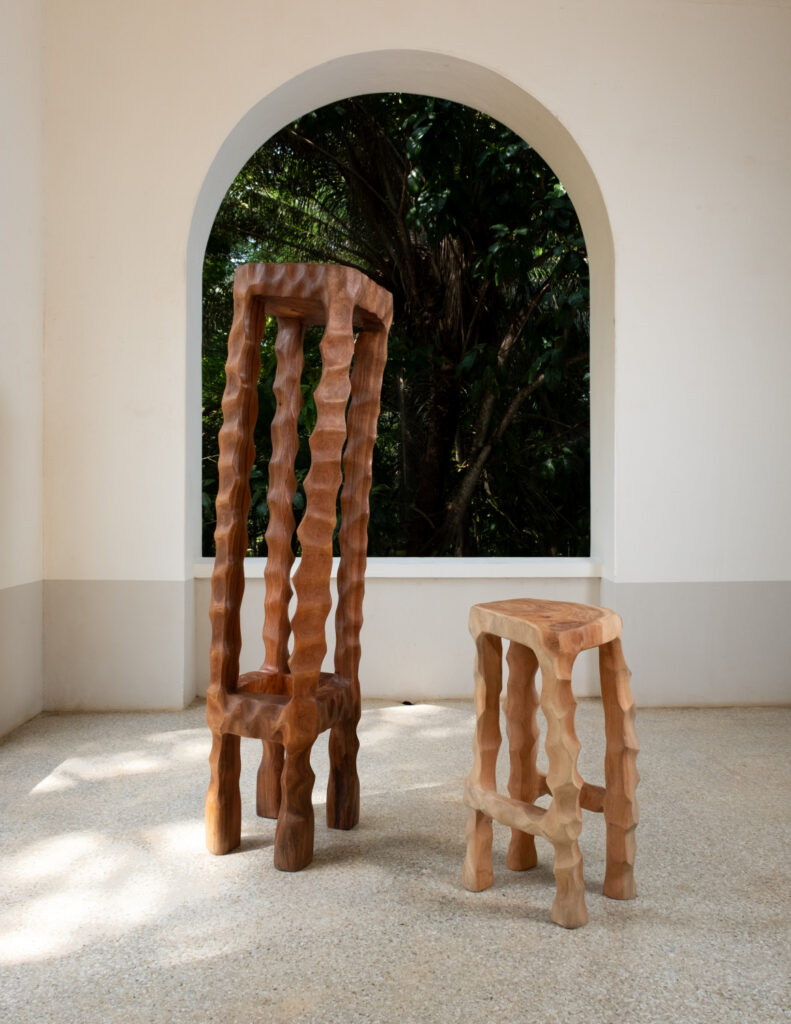
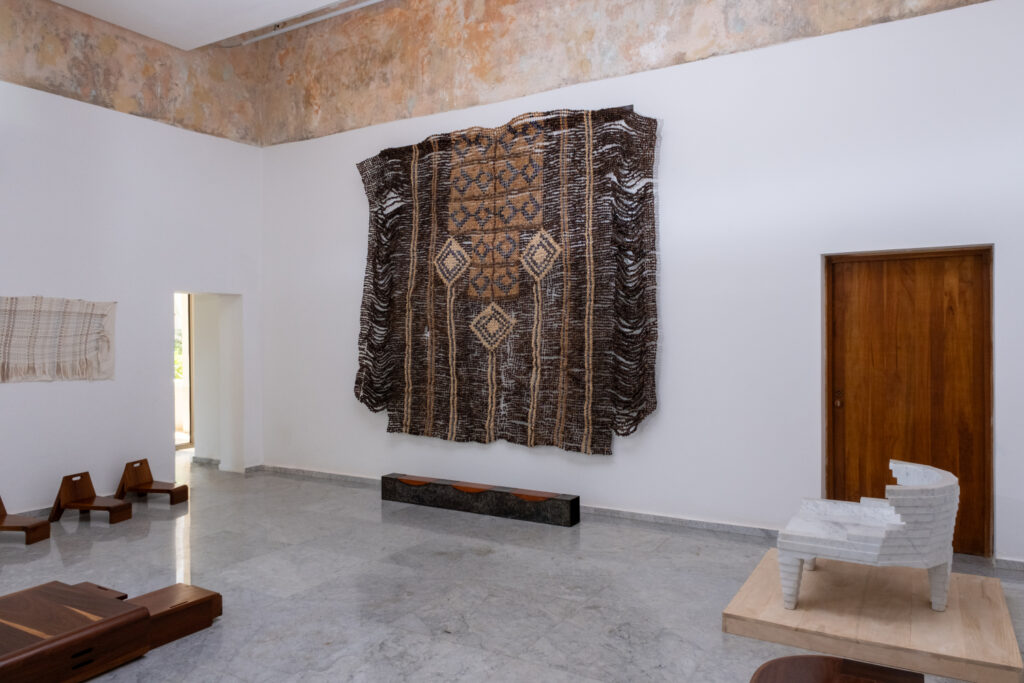
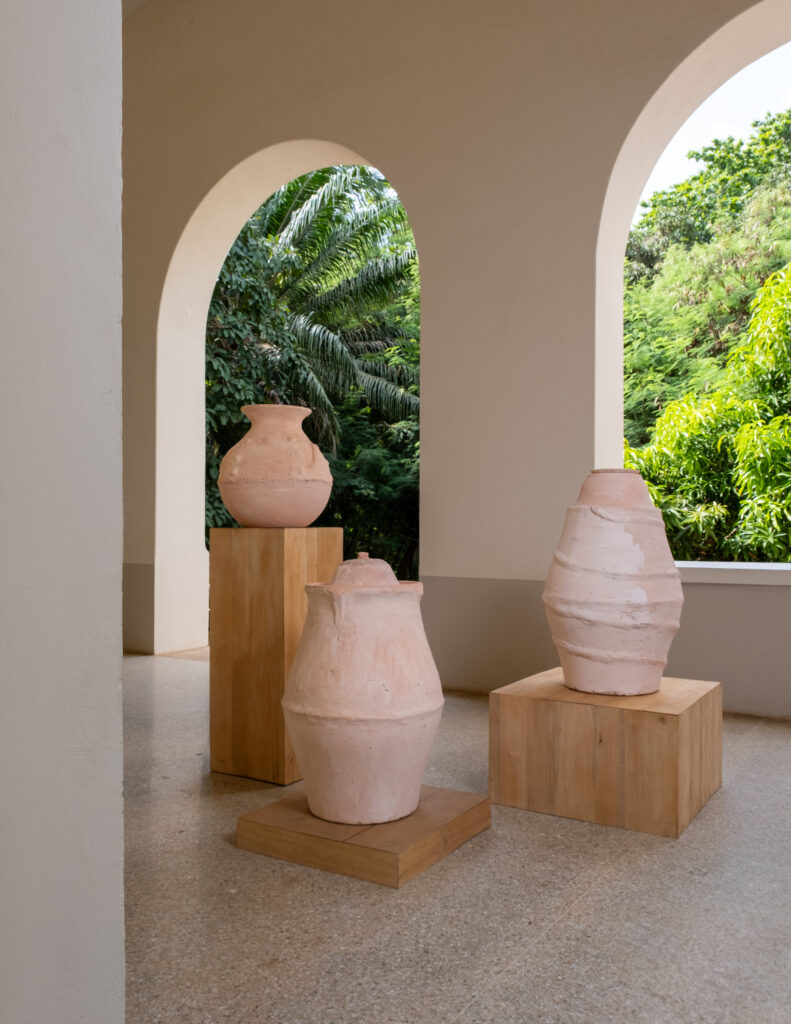
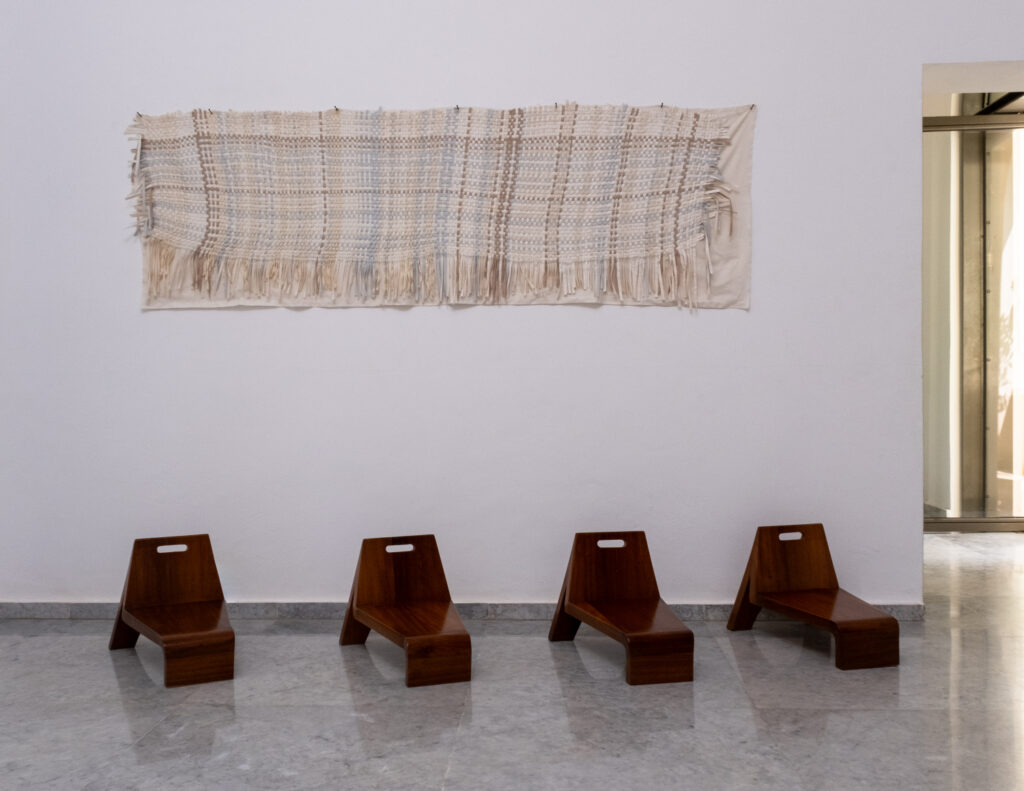
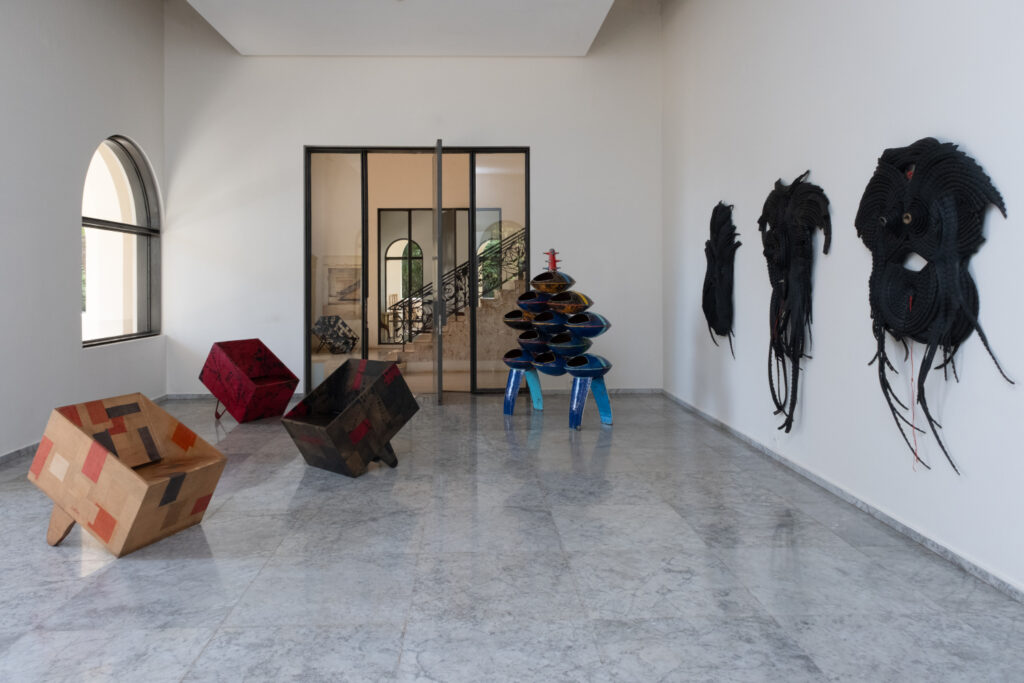
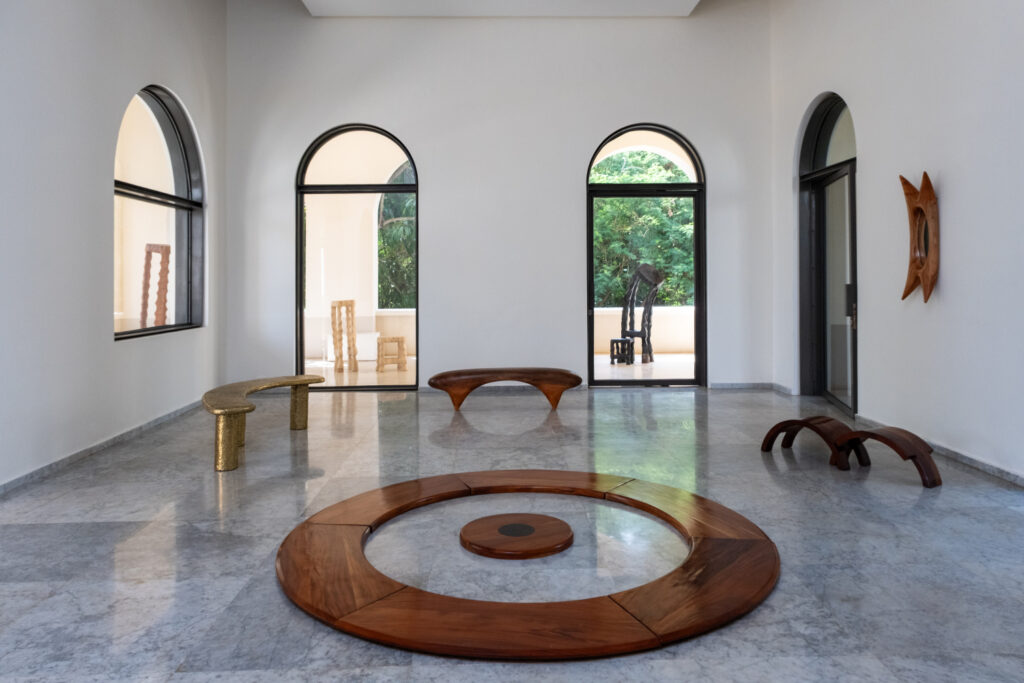
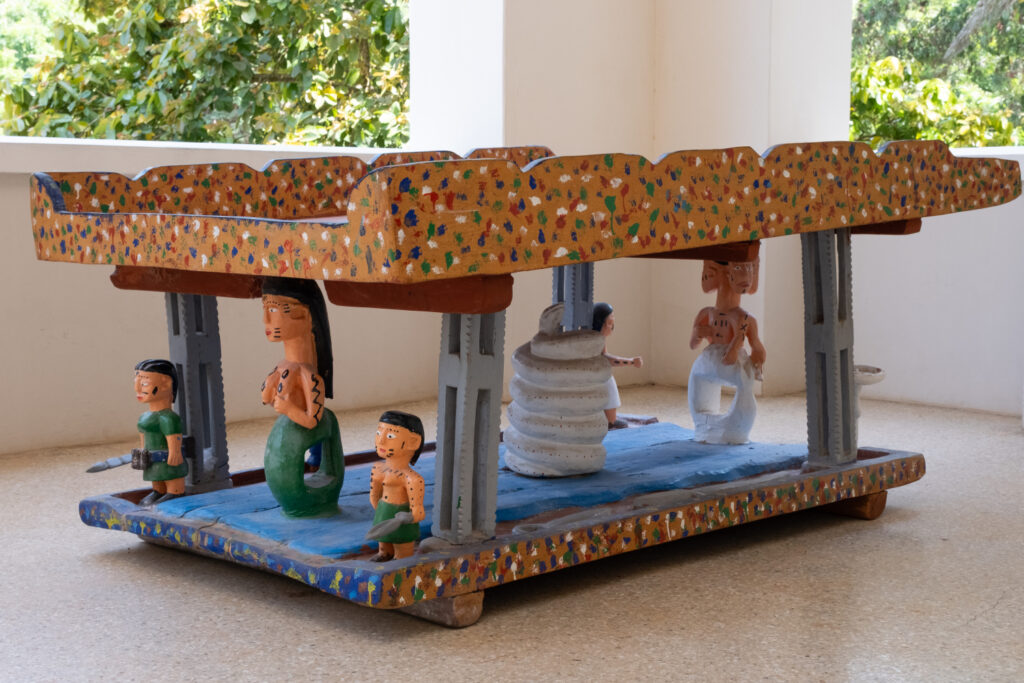
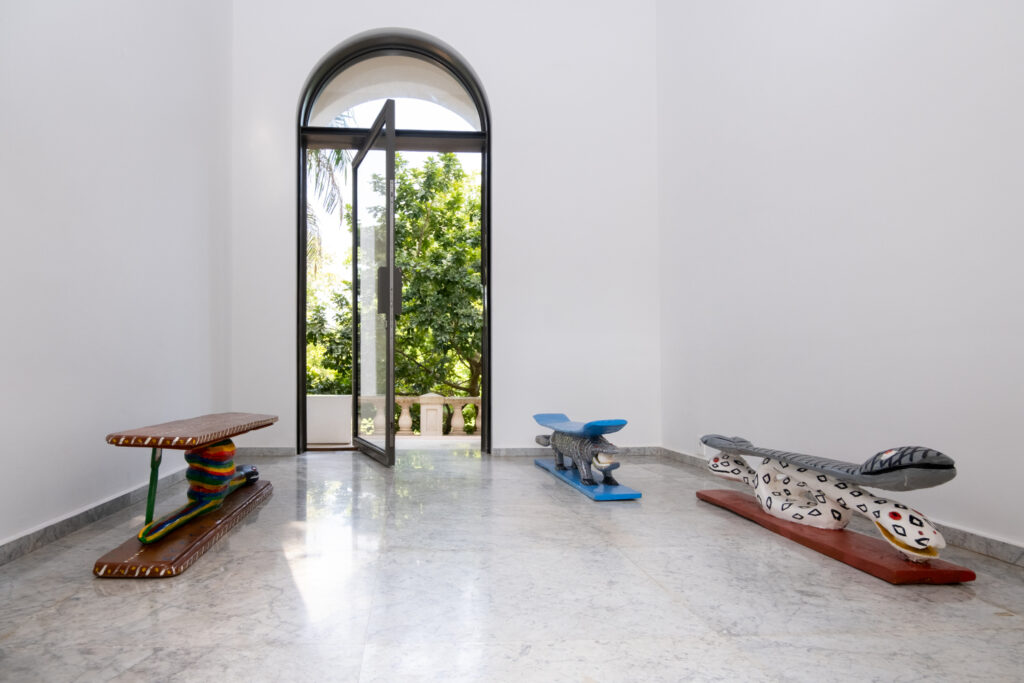
The Palais de Lomé in Togo presents “Design In West Africa: Unity in Multiplicity,” a ground-breaking exhibition bringing together 23 artists and designers from across the region and curated by Nicolas Bellavance-Lecompte.
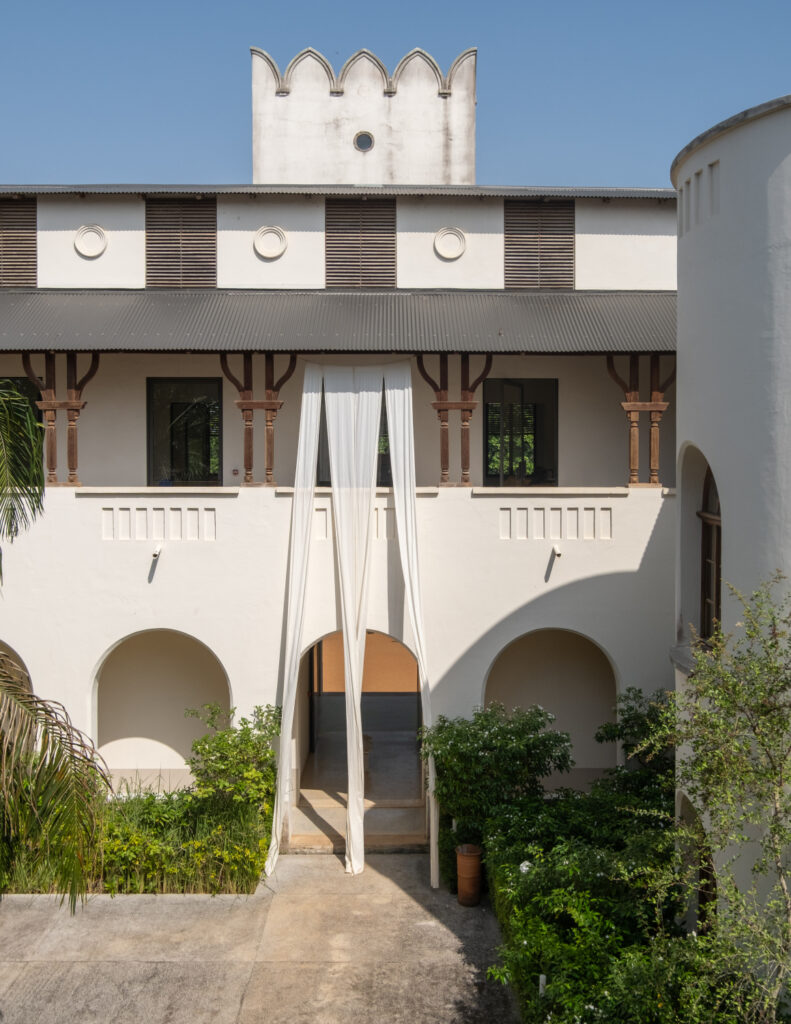
The Palais de Lomé in Togo presents “Design In West Africa: Unity in Multiplicity,” a ground-breaking exhibition bringing together 23 artists and designers from across the region. Running until March 15, 2026, the show turns the historic palace—once home to governors and later Togolese presidents—into a vibrant celebration of contemporary West African creativity.
“Reinventing natural and historical heritage to foster creative talents of Africa and its diasporas” is the basis Palais Lome, founded and directed by Sonia Lawson. Set on a 26-acre park, just in front of the Atlantic Ocean, the beautifully restored white palace is a new destination for cultural and scientific events and activities.
“Design In West Africa: Unity in Multiplicity,” is curated by Nicolas Bellavance-Lecompte—founder of the NOMAD design fair and Carwan Gallery—and someone who is constantly travelling and seeking out new creative talent. The exhibition explores design as a language of resistance, memory, and vision. Rather than seeking uniformity, the show embraces the region’s creative diversity, allowing different traditions and approaches to flourish side by side.
The works on display span a range of materials and techniques. Nigerian artist Nifemi Marcus Bello presents “TM Moon [Screen],” a striking 185-centimeter sculpture crafted from recycled sand-cast aluminium. The piece exemplifies his research-driven approach, transforming industrial waste into refined design objects that challenge global hierarchies while centring African manufacturing traditions.
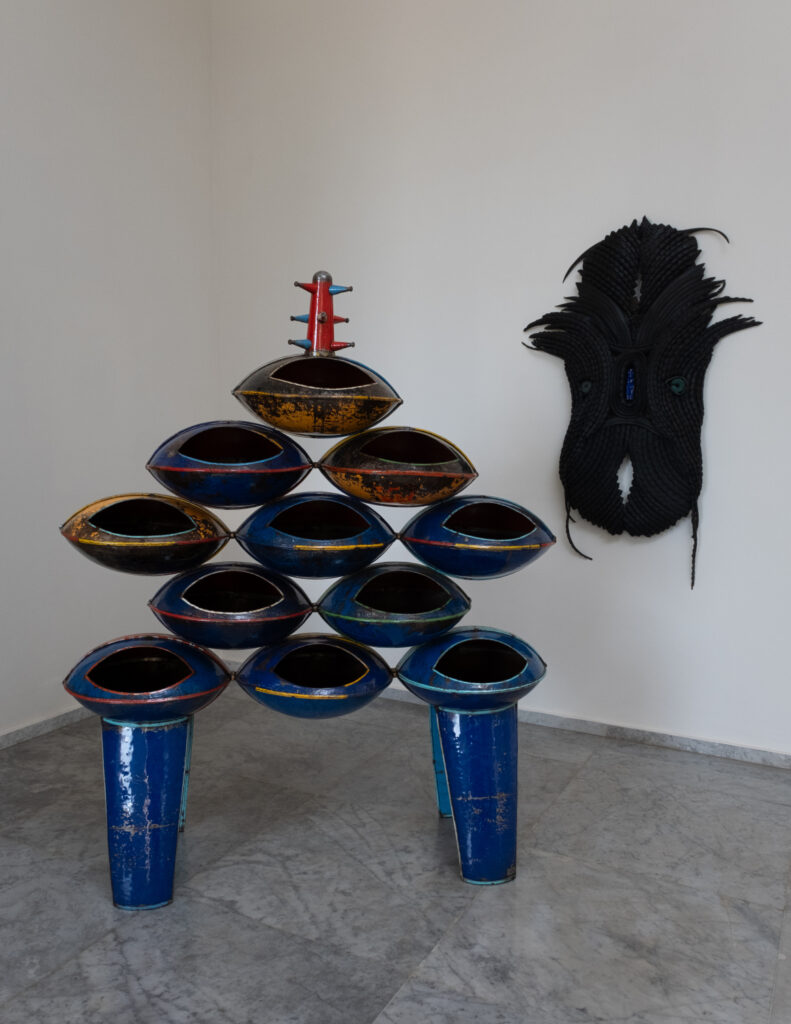
Tété Azankpo from Togo, who calls himself an “art surgeon,” creates powerful assemblages from enamelled metal basins and discarded materials. His chairs fashioned from repurposed basins symbolically stitch together the fractures of contemporary life, turning everyday objects into profound statements about inequality and unity. This philosophy of repair and resilience runs throughout the exhibition.
Steve Kwami Gbeteglo’s monumental “Make the Move” pushes design into the realm of historical commentary. Standing over three meters tall, this burnt wood sculpture features a table whose legs represent different communities of enslaved people—a striking gesture that brings together, through a single object, groups that never knew each other, creating what Gbeteglo describes as a “shared presence through creation.”
The exhibition also highlights artists working with traditional techniques in contemporary contexts. Ghanaian sculptor Kobina Adusah’s “Être tissé” from his “ÊTRE VIVANT” series uses clay as a living archive, exploring memory and lineage through earthenware forms that carry ancestral knowledge into the present. Meanwhile, Malian artist Aboubakar Fofana has devoted his practice to reviving West African indigo dyeing, creating textiles that embody cycles of renewal while addressing contemporary ecological concerns through his permaculture project in Siby, Mali.
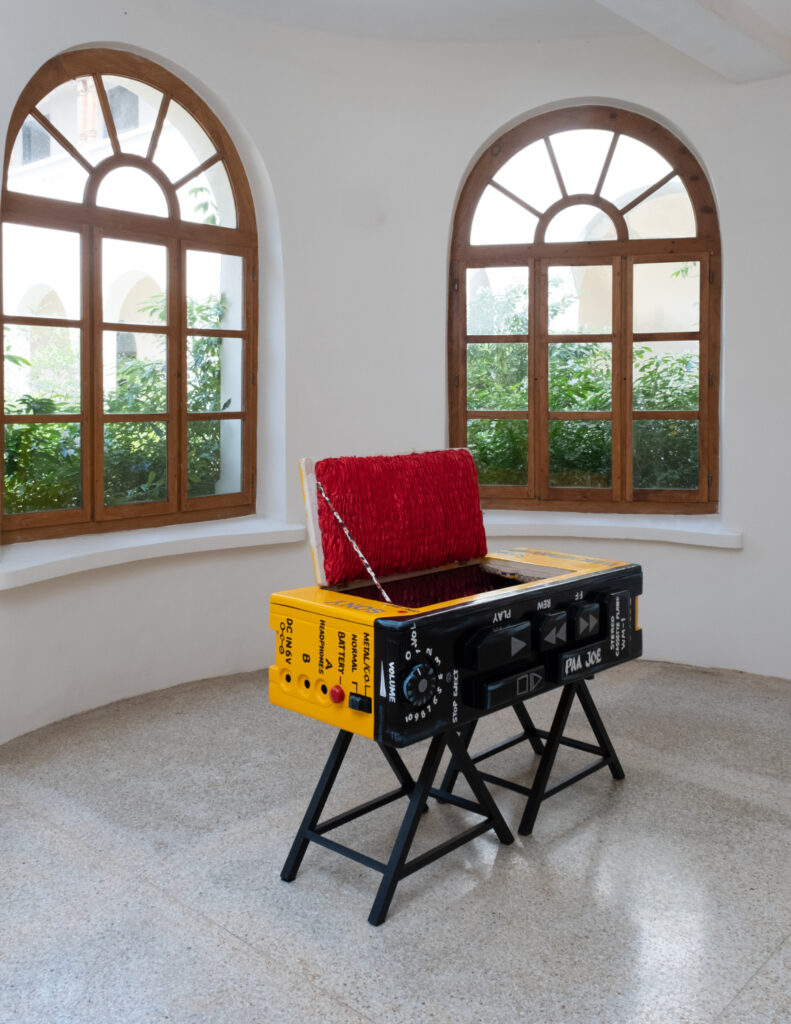
Serge Attukwei Clottey from Ghana transforms yellow plastic jerrycans—ubiquitous symbols of water scarcity and migration—into vibrant tapestries. His “Afrogallonism” works, including the 150-centimeter piece “Soil,” address ecological degradation while celebrating community resilience, blurring the line between activism and aesthetics.
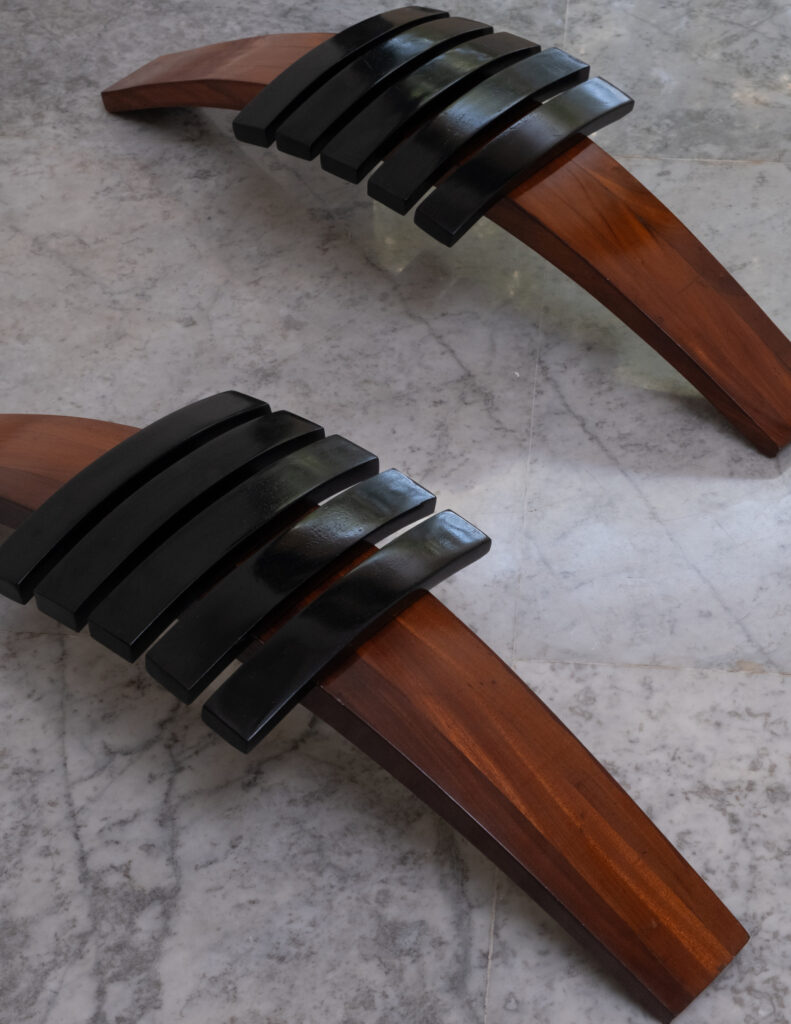
The show demonstrates that West African design isn’t a single movement but a constellation of practices—each rooted in specific traditions, materials, and visions for the future. Works range from Kossi Assou’s low-slung seating inspired by Sahelian traditions to Hamed Ouattara’s refined minimalist cabinets constructed from repurposed motor oil drums.
“Design In West Africa: Unity in Multiplicity,” “celebrates the diversity of materials and creative processes, as well as the richness of cultural references, countries of origin and backgrounds of the artists and designers brought together.” Highlighting craftsmanship, design, art and innovation, it’s ground-breaking and hopefully the beginning of more exhibitions and projects of its kind.
“Design In West Africa: Unity in Multiplicity,” is on view through March 15, 2026.

Articles you also might like
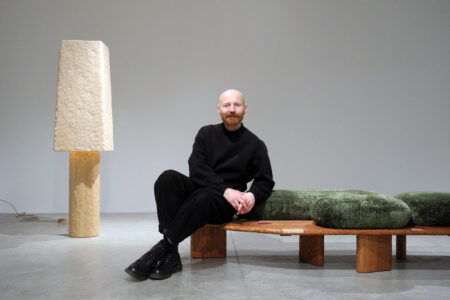
French designer Ferréol Babin makes his New York solo debut with In a Landscape, on view at Friedman Benda through April 18, 2026. The exhibition introduces a significant new direction in the designer’s practice: painted furniture that fuses his longstanding love of natural materials, specifically wood, with the improvisational language of landscape painting.
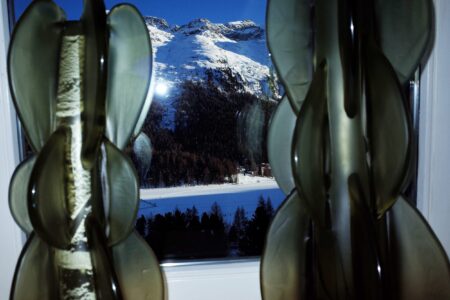
From February 12-15, NOMAD design fair returns to St. Moritz for its ninth edition, transforming the recently renovated Villa Beaulieu—formerly Klinik Gut—into an intimate showcase for contemporary art, collectible design, and jewellery.
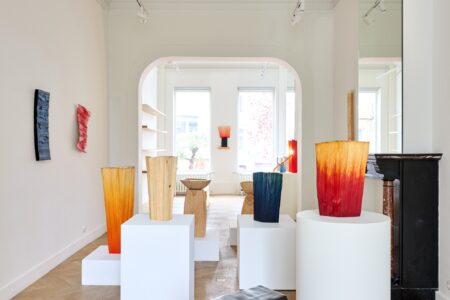
Spazio Nobile presents a solo exhibition by Didi Ng Wing Yin, finalist of the LOEWE FOUNDATION Craft Prize 2025. A collection of furniture, sculptures and vessels made in wood, Yin’s primary material, The Nature of Wood centres on the artist’s investigation of materiality and the relationships between design and art. The exhibition is on view through January 18, 2026.
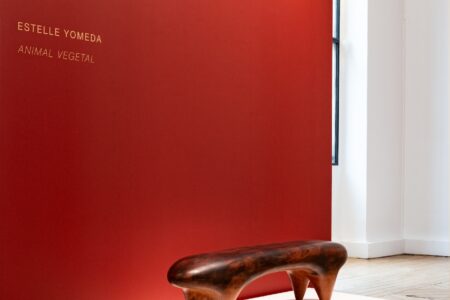
From November 6, 2025 – January 17, 2025, Galerie Maria Wettegren presents Animal Vegetal, a solo exhibition of work by Estelle Yomeda. The Paris-based designer presents a series of sculptural furniture designed and handmade in collaboration with craftsmen in Togo, West Africa.